
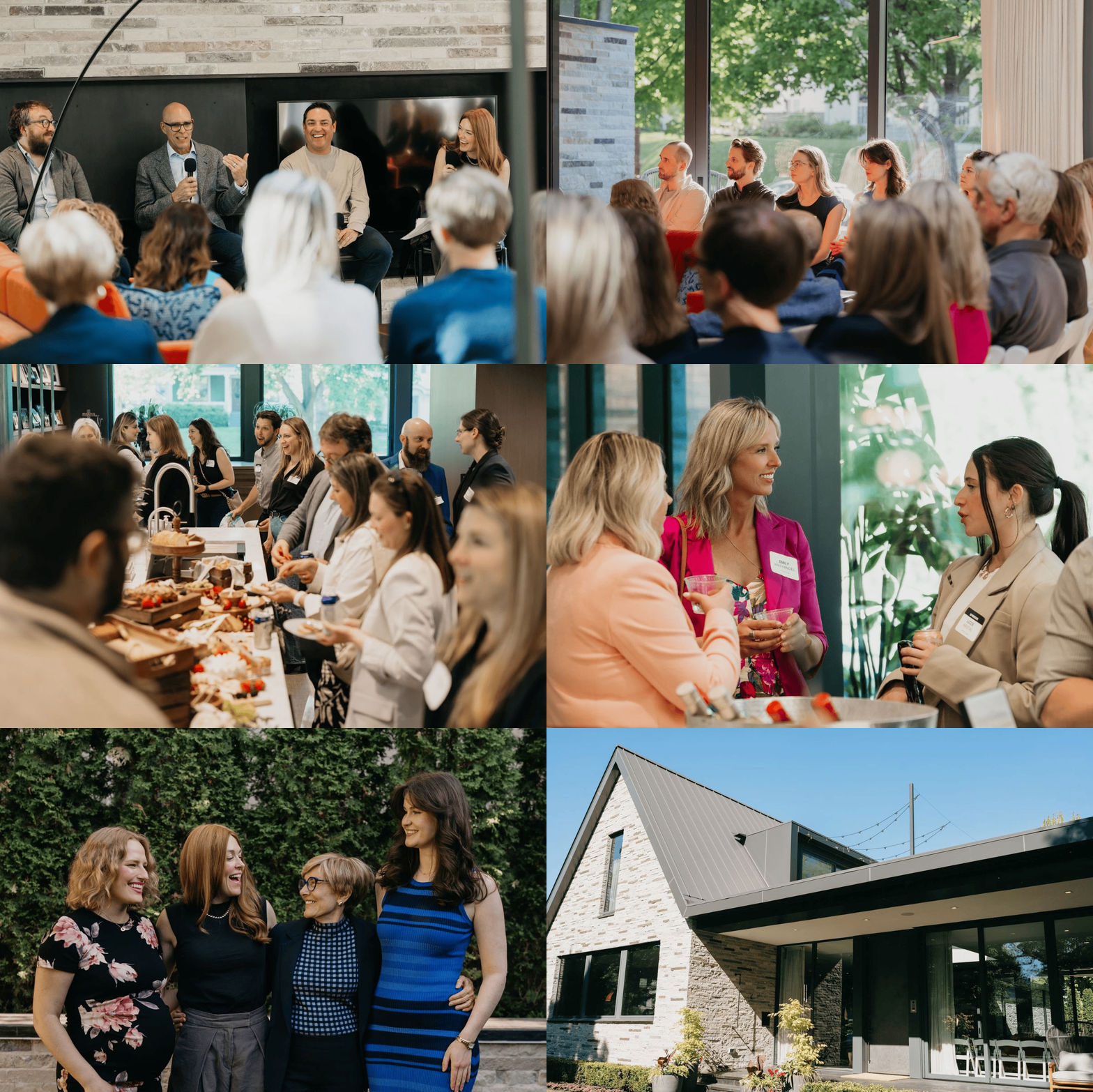
Photography by Mycah Bain Photography
Set inside Peter Crain’s modern light-filled residence — complete with a dog weaving casually through the audience — the fourth installment of the O’Hara Interiors and Lelch panel series brought together homebuilding experts to unpack the industry’s most pressing questions. This latest gathering turned its focus to security and privacy in an era where technology is rapidly reshaping how projects are designed, built and managed. Moderated by O’Hara Interiors CEO and Creative Director Kate O’Hara, it was a bittersweet occasion, marking a reflective moment as O’Hara Interiors will be closing its doors later this year.
ON COMMUNICATION
Design Principal and Partner of PKA
Client communication and privacy require clear boundaries. Edwins emphasizes a great level of thoughtfulness for his team, noting, “Never put anything in an email you don’t want projected on the wall of a courtroom.” In his approach, client communication via email is kept intentionally limited to a trusted core group, with professional practices maintained throughout each project. As Edwins puts it, “The privacy of our clients is theirs to keep,” underscoring that privacy is both an initial conversation and an ongoing responsibility.

ON PRIVACY
Founder and Owner of Trestle Homes
Whether a project is new construction or a remodel, Crain is always keeping the comfort of clients front of mind. In early development stages, he utilizes jobsite cameras to maintain a high level of security. Once a project is complete, he remains in close communication with homeowners regarding showings and home tours. Privacy is a priority in every step of Crain’s process. “We’re there to support the client and their wishes,” he says. “If that’s what they want, that’s what we deliver.”

ON AI SECURITY
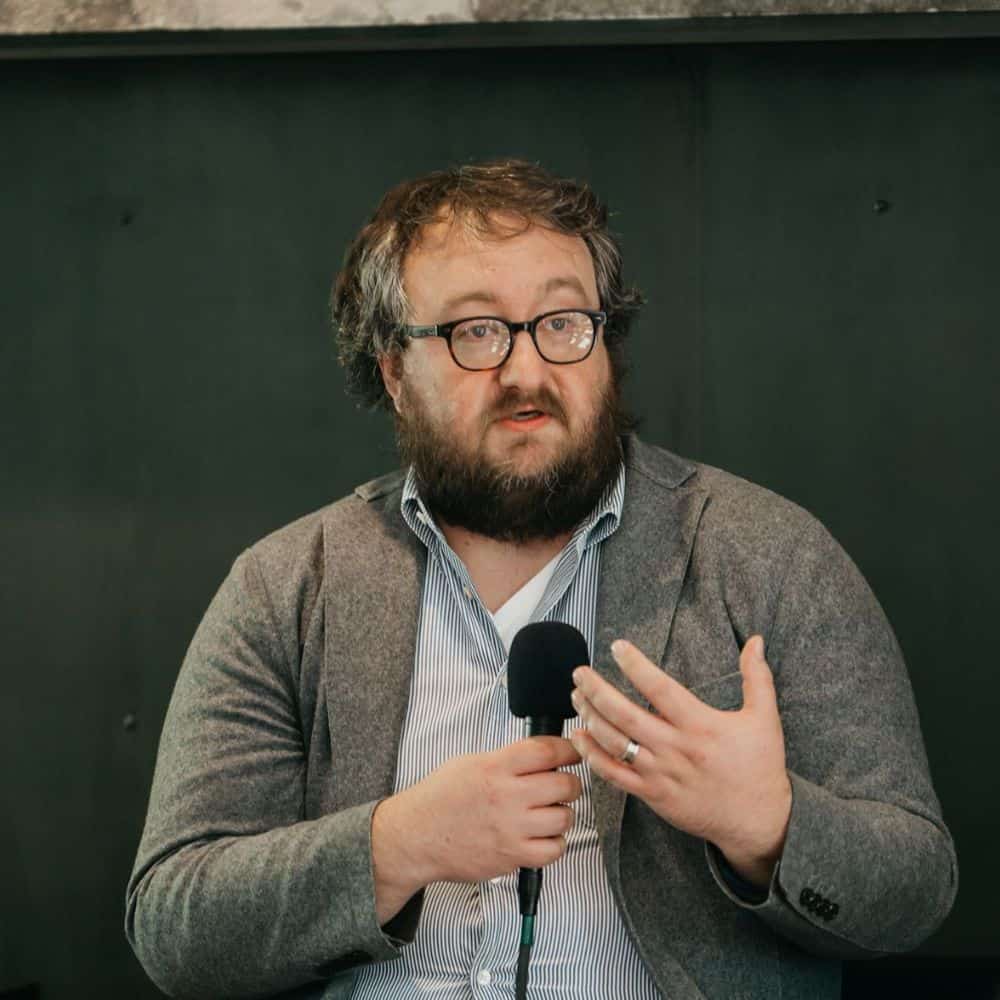
Founder and Owner of Lelch
AI is increasingly becoming part of the modern homebuilding toolkit. Among his suite of high-tech systems, Lelchuk uses AI in innovative ways, including flagging abnormalities on jobsite cameras. “We have to find a way to work with it,” says Lelchuk, emphasizing the importance of safe practices when using these tools. To help safeguard information, Lelchuk uses local models and paid versions of software. He adds, “Whether it’s physical or digital security, it’s something we’re having to wrap our arms around.”