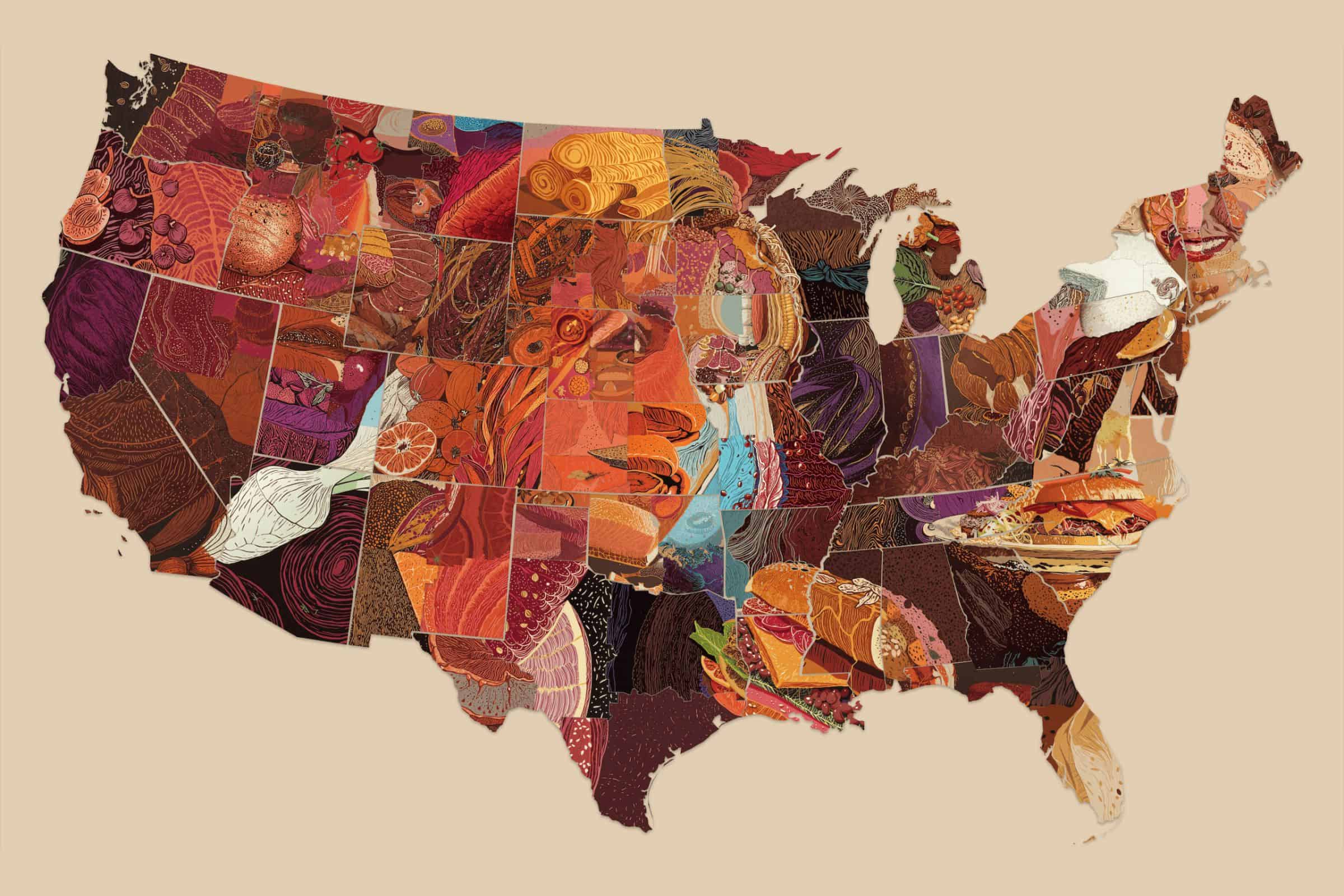
Just as you can learn about a person from the songs they select for a playlist, you can download information about a restaurant and its chef when you take a moment to study the cookbooks on display. At Dunsmoor, a popular Los Angeles restaurant, many of the tomes in the kitchen-shelf library look like textbooks or loose-leaf recipe binders from someone’s grandmother or a Southern potluck club. Like a rowdy chorus section, they all seem to sing out the same question: What is American food?
The American Heritage Cookbook. A National Treasury of Cookery: Recipes of the Young Republic 1967. Food in the Civil War Era: The South. Flip through Dunsmoor’s books, and you’ll find recipes for United States Senate bean soup, Pennsylvania Dutch braised round steak, Wisconsin bear steak, Boston brown bread, Georgia sweet potato pudding and Virginia corn pudding.
A hungry person could learn a thing or two about the course of American history by spending time with the Dunsmoor display — and that’s the point. Brian Dunsmoor and his team are throwing a nightly party that happens to double as a social-studies lesson. Loving the cornbread studded with hatch chile and suffused with the tang of sour milk? That recipe comes from Edna Lewis, one of the godmothers of Black cuisine in America. Fond of the risotto made with Carolina Gold rice or the Pennsylvania Dutch slippery dumplings with chicken, ham and a magenta-hued egg that has been pickled in beet juice? There are stories behind those preparations and ingredients, too. And the stories go deep.
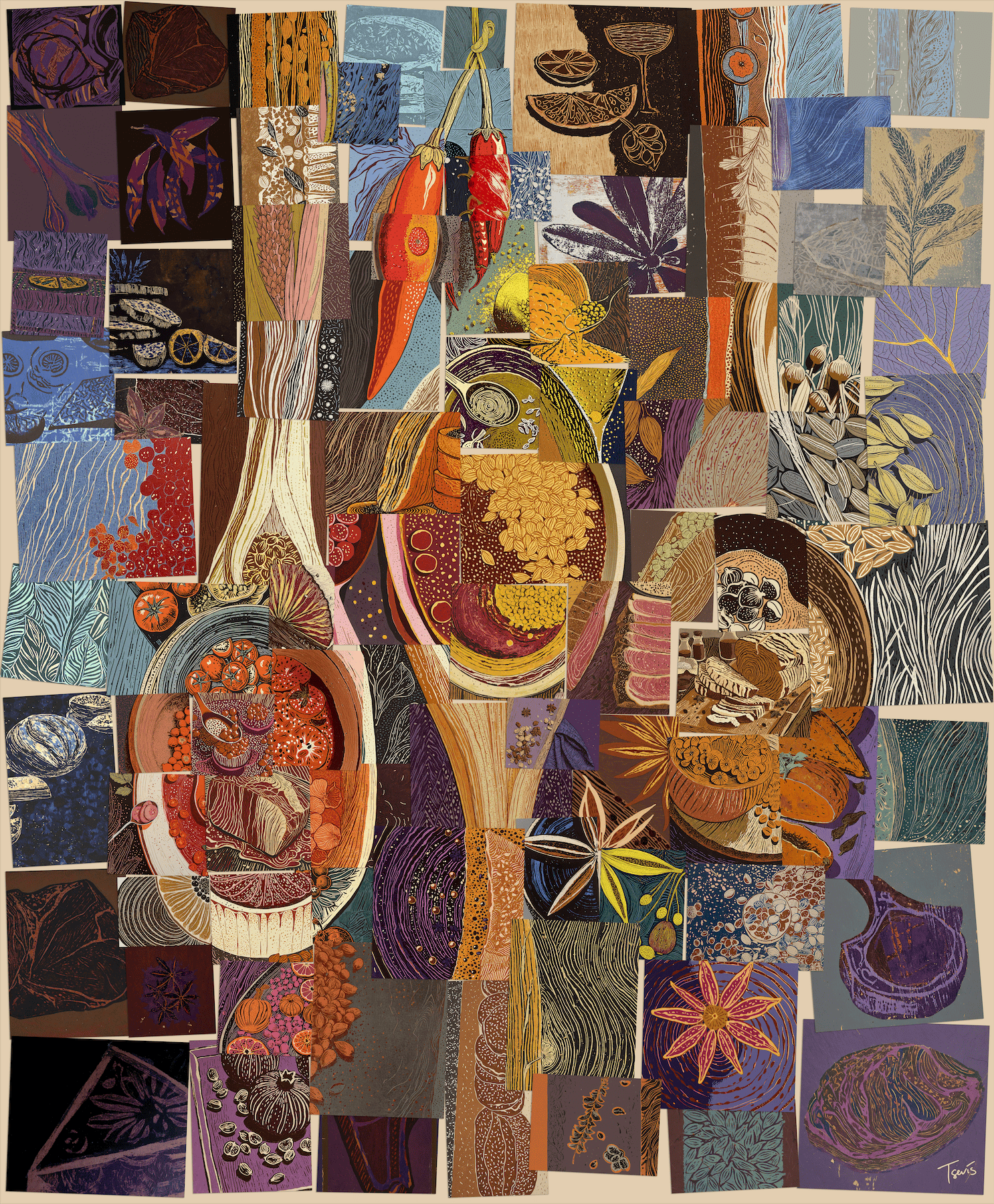
Illustration by Charis Tsevis
These days, Dunsmoor is but one institution whose proprietor is asking deeper questions about the meaning, lineage and provenance of American food — and inviting diners to do the same. A new conversation is happening from coast to coast. Once upon a time, you might go to a so-called “American” canteen expecting a bowl of pea soup, a platter of pot roast with mashed potatoes and gravy, and a slice of apple pie.
Things aren’t that simple anymore, but they never really were. A new generation of chefs and cookbook authors sees such complexity as a springboard. So what is American food? At Afrocentric fine-dining atelier Honeysuckle in Philadelphia, Southern-American restaurant Virtue in Chicago and Indigenous restaurant Owamni in Minneapolis, you’ll encounter wide-ranging interpretations that go beyond nostalgia. You’ll eat well, and you’ll learn something.
But let’s ask again — what is American food? Travel in Europe, and the locals won’t hesitate to provide you with a quick and dismissive answer: cheeseburgers. The global prevalence of fast-food chains has, in parts of the world, narrowed the conversation about American cuisine to little more than a Happy Meal. Preach all you want about the vastness of the land and the richness of its regional variety — from the New England corridor to the Chesapeake Bay to the Texas Hill Country to the Pacific Northwest — but some wag will still believe that our culinary legacy is confined to the terroir of highway rest stops. Maybe that’s understandable. Placed within the full arc of human progress, the United States of America — even with its 250th birthday around the corner — still qualifies as everyone’s baby sibling.
Because cuisine can’t help but act as a reflection of history, there’s a lot to process. What formed the nation gradually formed what the nation ate. Oppression and bloodshed were present from the start. The continent’s original Indigenous inhabitants depended on ingredients that were endemic to this land, like corn, beans, squash and tomatoes. These Native foodways collided with those of European explorers and settlers, who brought over now quintessential foods like beef, chicken and pork. Brutal waves of chattel slavery meant that African cooking techniques and ingredients such as okra, yams and sesame seeds became part of the American pantry. And over the centuries, immigrants broadened the larder and transformed neighborhoods to such a degree that before long, it would become unusual to encounter a town that didn’t offer a pizzeria, a taqueria, a bagel shop and Chinese takeout.
On the cover of her latest book, Padma’s All American, the creator of America’s Culinary Cup poses proudly in front of a mural of Old Glory. Inside, with a nod to the foods she’s encountered while shooting Hulu’s Taste the Nation, she celebrates a different expression of glory: the immigrant cuisines that fill tables and scent kitchens from coast to coast. That includes, but is certainly not limited to, Amazonian tamales, banana lumpia, jerk chicken, pork dumplings, chicken tikka masala, muhammara and tostones. The message resides right there in the title — these dishes are all American, because they’re part of our shared landscape.
“I have always felt Indian and American, but I’ve never felt that others considered me just as American as they were,” Padma Lakshmi — who first arrived in New York City on a flight from New Delhi in the 1970s — writes in the book’s introduction. “I’ve always felt like an outsider. This feeling will be nothing new to most immigrant kids. But in making Taste the Nation, I felt more American than I ever have.”
What is American food? Something that’s ever-shifting. As Lakshmi passionately proclaims in her recent tome, the old rubrics have been disintegrating for a while. “Americans purchase more salsa and sriracha than ketchup,” she points out. “And pad thai, sushi, bubble tea, burritos and bagels are as American as apple pie — which, by the way, contains not one single ingredient indigenous to North America! I think the most American dish might actually be barbecue. It’s something so woven into the fabric of American culture — right there with cowboys and the Fourth of July.” What’s American, then, is the delicious result of what happens when everything and everyone converges on this particular continent.
As we approach the 250th anniversary of that holiday, which of course marks the signing of the Declaration of Independence, it’s no coincidence that chefs have paused to think more carefully about what American history looks like on a plate. “I feel fortunate to be a chef at this time,” says Brian Dunsmoor. “Now is when we need to be talking about it the most.” Specifically, they’re talking about how American food has always represented a dovetailing of native ingredients with Indigenous, European, African and Asian interpretations. It’s more evident than ever.
Ari Kolender, who grew up in the history-saturated city of Charleston, South Carolina, and now cooks in Los Angeles, has perfected the art of the raw bar at restaurants such as Found Oyster and Queen’s Raw Bar & Grill. He also views what he’s doing as something of a study in American culinary history. “For centuries, oysters were the most common food in America,” he says. “This is when our coastlines had an outrageously strong supply — billions, in fact. At that time, oysters were driving American infrastructure. They used to be sold on every street corner in every major city and eaten by every walk of life. Can you find oysters in other parts of the world? Yes. But how we consume oysters is as American as cheeseburgers.”
On the first page of My America: Recipes from a Young Black Chef, Kwame Onwuachi welcomes readers with these words: “Show me an America made of apple pie and hot dogs, baseball and Chevrolet, and I won’t recognize it,” he writes. “That’s a foreign land to me. Maybe that’s someone’s America, but it isn’t mine.” The chef behind Tatiana in New York City and Dōgon in Washington, D.C. grew up in the Bronx, surrounded by the flavors and fragrances of the Caribbean — the street foods of Jamaica, Puerto Rico, Trinidad and the Dominican Republic. Like Lakshmi, Kolender and Dunsmoor, he couldn’t resist asking questions about everything from Carolina Gold rice to coco bread.
When Korean-American chef David Chang first opened Momofuku Noodle Bar in New York City’s East Village in 2004, he refused to classify it as an Asian restaurant, even though the place sold (now iconic) pork belly buns and ramen bowls. “It was always called an American restaurant,” says Momofuku CEO Marguerite Zabar Mariscal. Chang stuck to that path as Momofuku grew into an unmistakable national brand. “Dave wanted all the restaurants described that way,” Mariscal explains, because they were located in the United States and used American ingredients, yes, but also because he was committed to “challenging the definition of what American food is.”
Tellingly, though, platforms such as Yelp wouldn’t always let that categorization stand. (To this day, Yelp describes Chang’s Los Angeles restaurant Majordomo as not only a “New American” restaurant but also “Korean” and “Asian Fusion.”) “It’s like we couldn’t win,” says Mariscal, who points out that even back in the 1980s, Wolfgang Puck — an Austrian immigrant using California ingredients in his own interpretation of Chinese dishes at his restaurant Chinois — was celebrating the way that cooking can “illustrate the American transformation of diversity into unity. What people accept as the norm has grown.” This is why Super Peach, Momofuku’s new family-friendly concept in the Westfield Century City mall on Los Angeles’ Santa Monica Boulevard, serves kimbap and Korean fried chicken wings — and, as David Chang insisted more than two decades ago, proudly calls itself an American restaurant.
It’s also why Alewife, a restaurant in Richmond, Virginia, waves a flag for Mid-Atlantic seafood while simultaneously celebrating the immigrant communities that populate the region. To wit: There’s wasabi in the buttermilk dressing, and there’s fried perch in a green curry. “For us, it has all gotten rattled together,” says owner and acclaimed Southern chef Lee Gregory. “We’re influenced by what’s around us.” Arguably the most popular dish? Deep-fried clam strips seasoned with a powdery blend of Old Bay and Sichuan spices. With each bite, waves of American history crest and converge.
For Erick Williams, the James Beard Award–winning chef at Virtue on Chicago’s South Side, it all comes back to the gizzards. “That’s the cornerstone of our cooking,” he says, “because it’s an off-cut that we take the time to display.” You could make the argument that Virtue is, in part, a restaurant about the history of the Great Migration, the period in the 20th century during which millions of Black Americans moved to Chicago and other Northern cities from the South. “How do we say South without saying South?” Williams asks. Gizzards (chewy nuggets from a chicken or turkey’s digestive tract) can be found at gas stations throughout the South. At Virtue, they’re offered crispy and fried on a bed of Carolina Gold rice that’s blended with scoops of chicken liver mousse. It’s a sociology lesson you can’t resist devouring.
Indeed, a conversation with Williams can feel like a graduate-level seminar on American culinary history. “When millions of Black families left the South during the Great Migration, they carried more than memories,” he says. “They carried recipes, tools and tradition. Cast-iron pans wrapped in newspaper. Rice in jars. Written reminders of how long to simmer greens, when to add smoke and how to stretch a meal to feed a crowd.” Should you run out of time chatting with Williams, he may follow up with an email listing some of the classics of Black gastronomy worthy of a shout-out in any panoramic look at American food: whole hog barbecue, jambalaya, Delta tamales, red beans and rice, collard greens, potato salad, fried green tomatoes, stewed okra, smothered cabbage, cornbread, pecan pie, sweet-potato pie, hush puppies, moonshine, persimmon wine (unfortunately we need to stop here because of space limitations, but you get the idea).
As Williams makes clear, you can’t talk about American cuisine without talking about the countless contributions and innovations of Africans who were forced onto our shores and into our fields through the practice of slavery. For decades, though, conversations about the undeniable Blackness of American food were shooed off to the margins, and it’s only through the persistent efforts of chefs, scholars and writers such as Dr. Jessica B. Harris, Alexander Smalls and Michael W. Twitty that such history is no longer being ignored. In fact, the past decade has ushered in a renaissance of Black culinary expression. Virtue is but one example. Restaurants such as the Grey in Savannah, Georgia; Honeysuckle in Philadelphia; and Alta Adams in Los Angeles remind us that “American cuisine,” as we understand it, would not exist without the genius and resourcefulness of the Black kitchen.
For Tanya Holland, a trailblazing California chef focused on exploring and expanding Black culinary traditions at her groundbreaking and much-missed Bay Area restaurant, Brown Sugar Kitchen, the genesis of American food can probably be located in a single kernel: corn. With this ingredient, Indigenous agriculture knowledge converges with a West African approach to cooking, and a whole new cuisine is born. “Corn has been the subject of dedicated cookbooks, films and folklore,” she says. “We are devoted to liquor made from corn, particularly bourbon. Our national production and use of corn oil contribute more than $6 billion to the global economy.”
So what is American food? With all of the intertwining streams of influence to consider — Indigenous, European, African, Asian, Latino, not to mention the striking regional differences between New Orleans and New York City or Boston’s Back Bay and California’s Bay Area — it’s clear that there is no one easy stock definition. And then there’s the proverbial elephant in the room. “Globally, the hamburger is shorthand for American cuisine,” says Grant Achatz, chef and owner of Chicago’s trailblazing Alinea. “The image of the burger symbolizes American culture. Chefs have gone highbrow and lowbrow — reinventing it, making it fusion, creative, luxury, gourmet, artisanal and viral. Every American has had one, and some people have multiple burgers a week. It’s delicious when done correctly with good ingredients.” But even if we were to gather in a transcontinental huddle and come to the conclusion that, yes OK, cheeseburgers represent the ultimate expression of American terroir, which cheeseburgers would we be talking about?
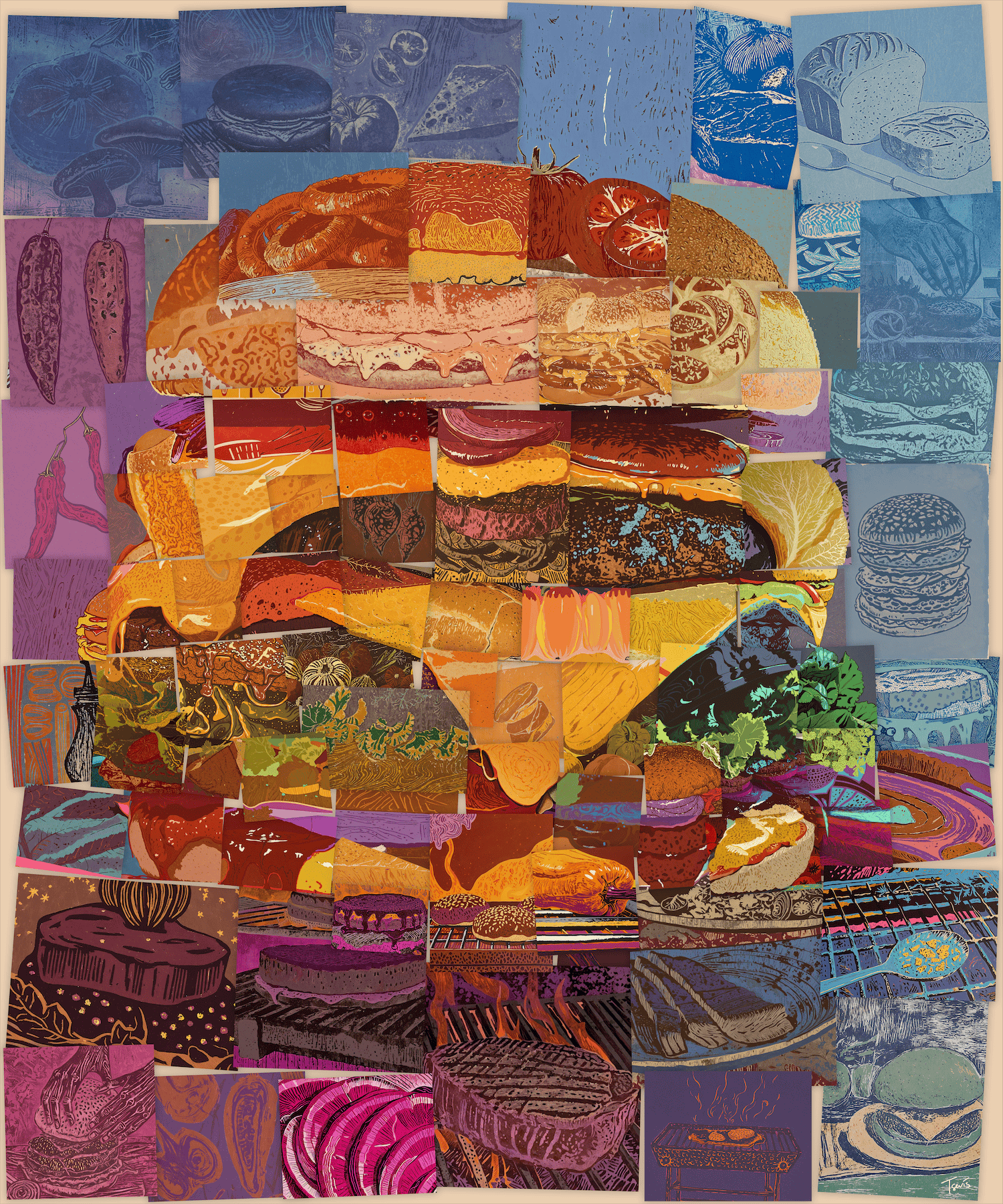
In November 2023, George Motz opened a spot called Hamburger America on the southern edge of Greenwich Village in New York City. He views himself as “one of the true protectors” of the legacy of American burgers, and he created this new-age institution not only to replicate the sounds, smells and sizzles of a prototypical smashburger joint but also to teach us something about our shared inheritance.
“It had to have a deeper context,” he says. “It had to have historical context. And I realized that no one had ever done that before.” You notice it as soon as you step into the Houston Street establishment, which looks and sounds like a Grease movie set. Customers perch on barstools the color of baseball-stadium mustard and long spatulas press thin patties and onions into the griddle, creating a hissing sizzle. To give you an example of Motz’s granular attention to detail: When you sit down at that counter and hear the clank of ceramic plates in a bus tub, that’s intentional, he says, “because the sound that that makes is exactly what you need to hear to put you in that specific place.”
But what draws people back to Hamburger America for repeat visits? The specials. Each month, Motz and his team offer a pitch-perfect recreation of a local burger from somewhere on the American landscape, and they do so with the sort of accept-no-substitutes fussiness of the Daniel Day-Lewis character in Phantom Thread.
Maybe you encounter the Galley Boy cheeseburger, the famous offspring of Swensons Drive-In in Akron, Ohio, which is identified by the pimento-stuffed olive that crowns it on a bun-piercing toothpick (“That’s the only way it’s a Galley Boy,” Motz assures). Maybe another month you swing by to try the green chile cheeseburger from the Owl Bar and Cafe in San Antonio, New Mexico, which “hit the menu at Owl Bar while scientists from the Manhattan Project were testing the first atomic bomb in the mid-1940s at the nearby White Sands Proving Ground,” as Hamburger America explains on Instagram. Another time you’ll find the chili cheeseburger from Ben’s Chili Bowl in Washington, D.C., a Black-owned landmark of the Civil Rights Movement, featuring the Ali family’s distinctive chili sauce delivered directly from the nation’s capital. Perhaps you’ll be lucky enough to encounter the Doodleburger from the now-shuttered Yankee Doodle in New Haven, Connecticut, which arrives with a dandy paper ramekin full of red relish. Motz witnessed a few Yale University graduates moved to tears when they saw that flourish.
“These are the details you have to get right,” says Motz. “The history of the hamburger has been lost in America, and most of its history has to do with its regionality, so I get very excited feeding people historically accurate versions of these burgers.”
It’s history, it’s lunch and it’s democracy all at the same time. And somehow, it tastes more delicious the more you learn about the folks and the stories behind it. To eat at Hamburger America, Virtue, Super Peach or Dunsmoor is to realize that we’re all part of a vast, interconnected, ongoing movement of shared plates and shared ideas. From that awareness comes an extra ramekin of nourishment. What is American food? Well, what are you about to eat next? Therein lies your answer.
Order Up
Can a single dish or ingredient convey the essence of American cuisine? We asked some of the country’s top chefs and cookbook authors — and got both expected and surprising answers.

Photography by Monteverdi Tuscany
Cheeseburger
Nancy Silverton
Los Angeles–based chef, restaurateur and author
“I’m going to say the cheeseburger. It went out and conquered the world.”
Barbecue
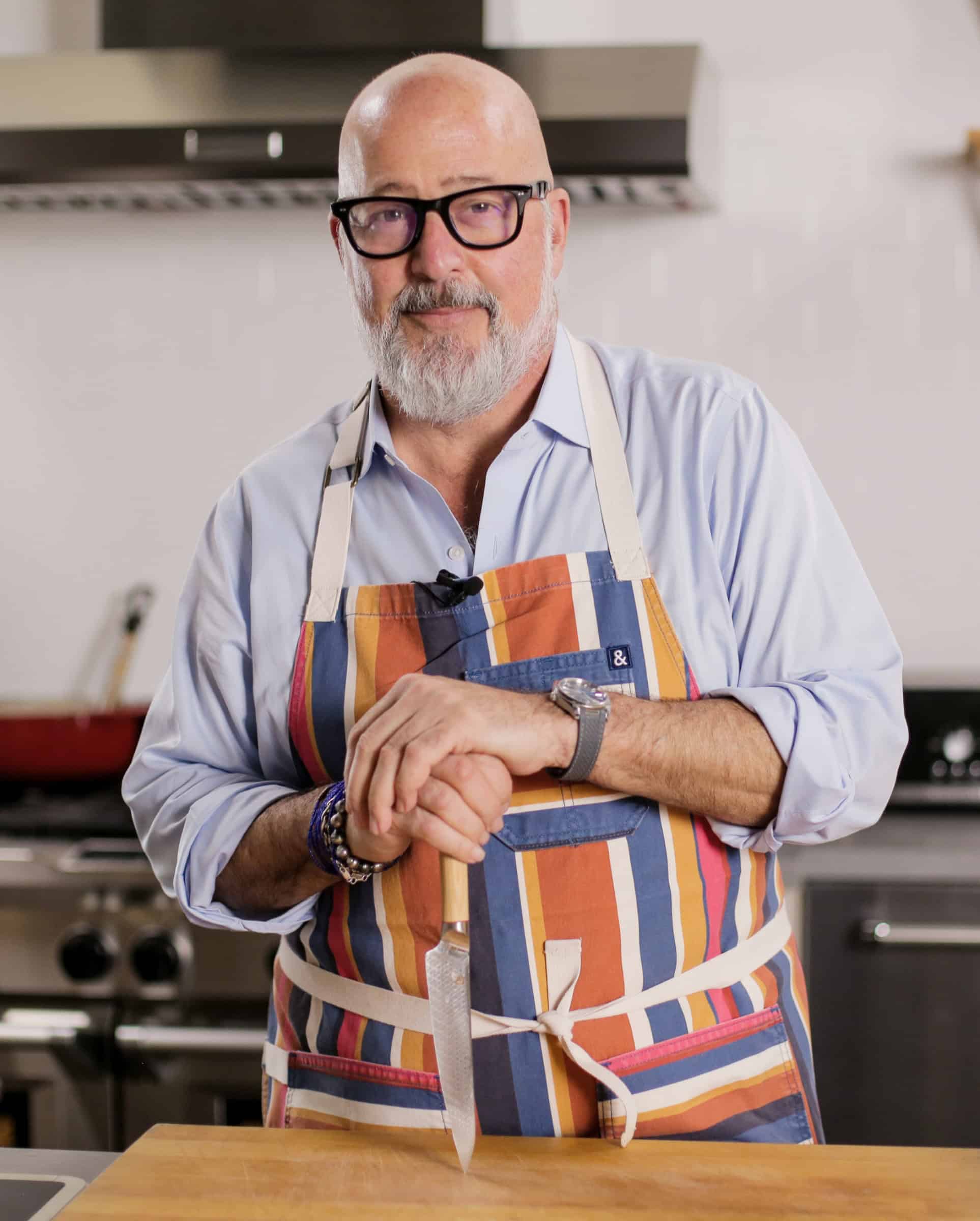
Andrew Zimmern
Minneapolis-based chef, author and producer
“Barbecue, in all of its regional dialects, is the closest thing we have to a shared edible mythology in a nation built on the backs of those who came here. It reflects methodologies of historic cooking techniques utilized by Indigenous peoples who have called this continent home for thousands of years, too. In the most general sense, it carries every line of our national story in its smoke: migration, ingenuity, injustice, resilience and the stubborn belief that we can make something better if we tend the fire long enough.”
Photography by Aubrey Pick
Cornbread
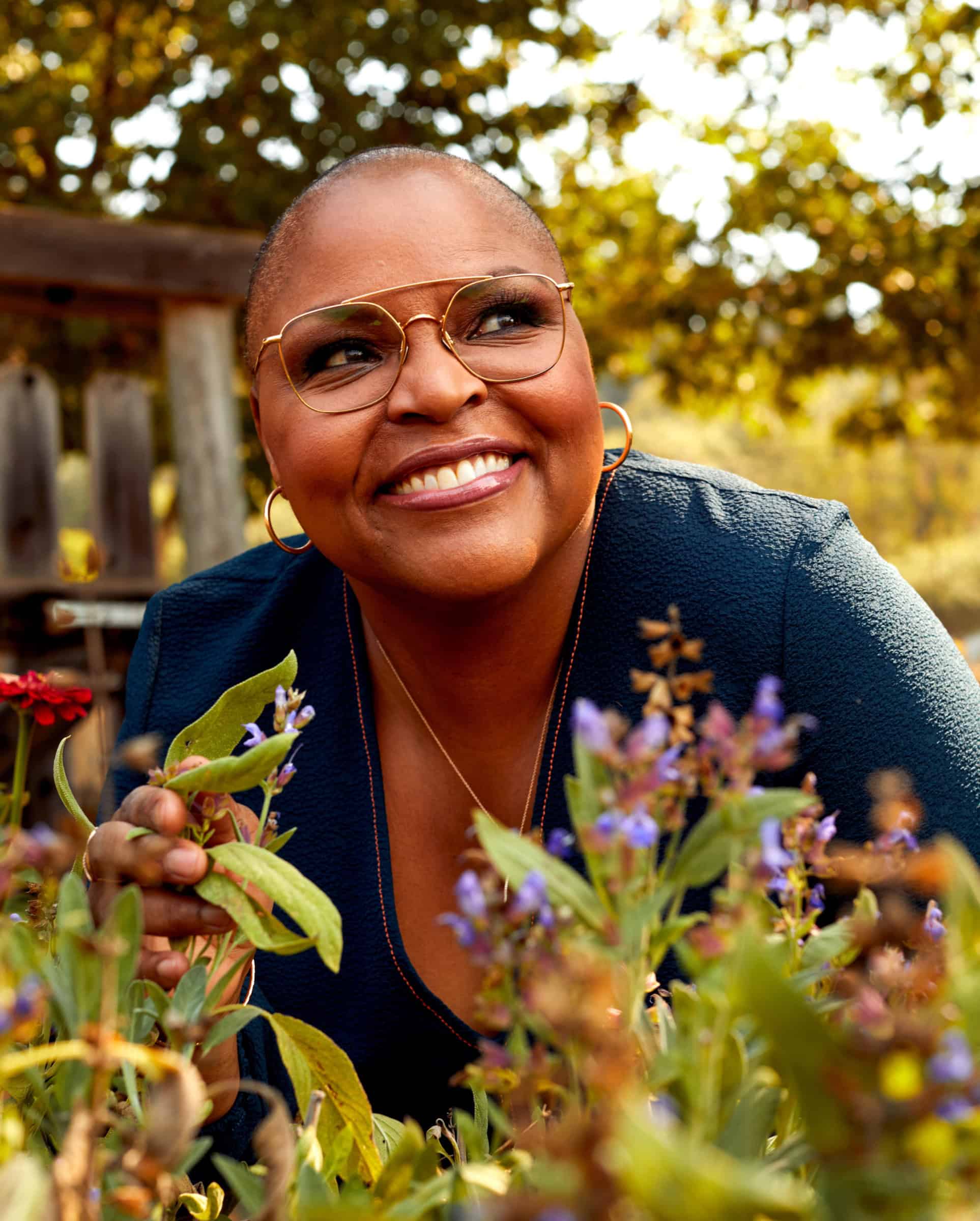
Tanya Holland
Bay Area, California–based chef, restaurateur and author
“Cornbread, especially when it’s cooked in a cast-iron pan. As I travel globally, I rarely encounter the same level of obsession with and production of corn that we see in the United States. It’s an incredibly versatile and delicious ingredient that’s ingrained in our culinary culture — from breakfast cereals and grilled street food to relishes and desserts. Even imported dishes like tamales and polenta are part of our cuisine.”

Photography by Shed Project
Carne Seca
Johnny Ortiz-Concha
Taos, New Mexico–based chef
“In northern New Mexico, where my cooking is deeply based, something like carne seca is a great example. Traditionally, it is wild game meat hunted before the cold seasons, seasoned with desert salt and some wild herbs, and then dried in the sun to be stored and eaten until the warm seasons.”
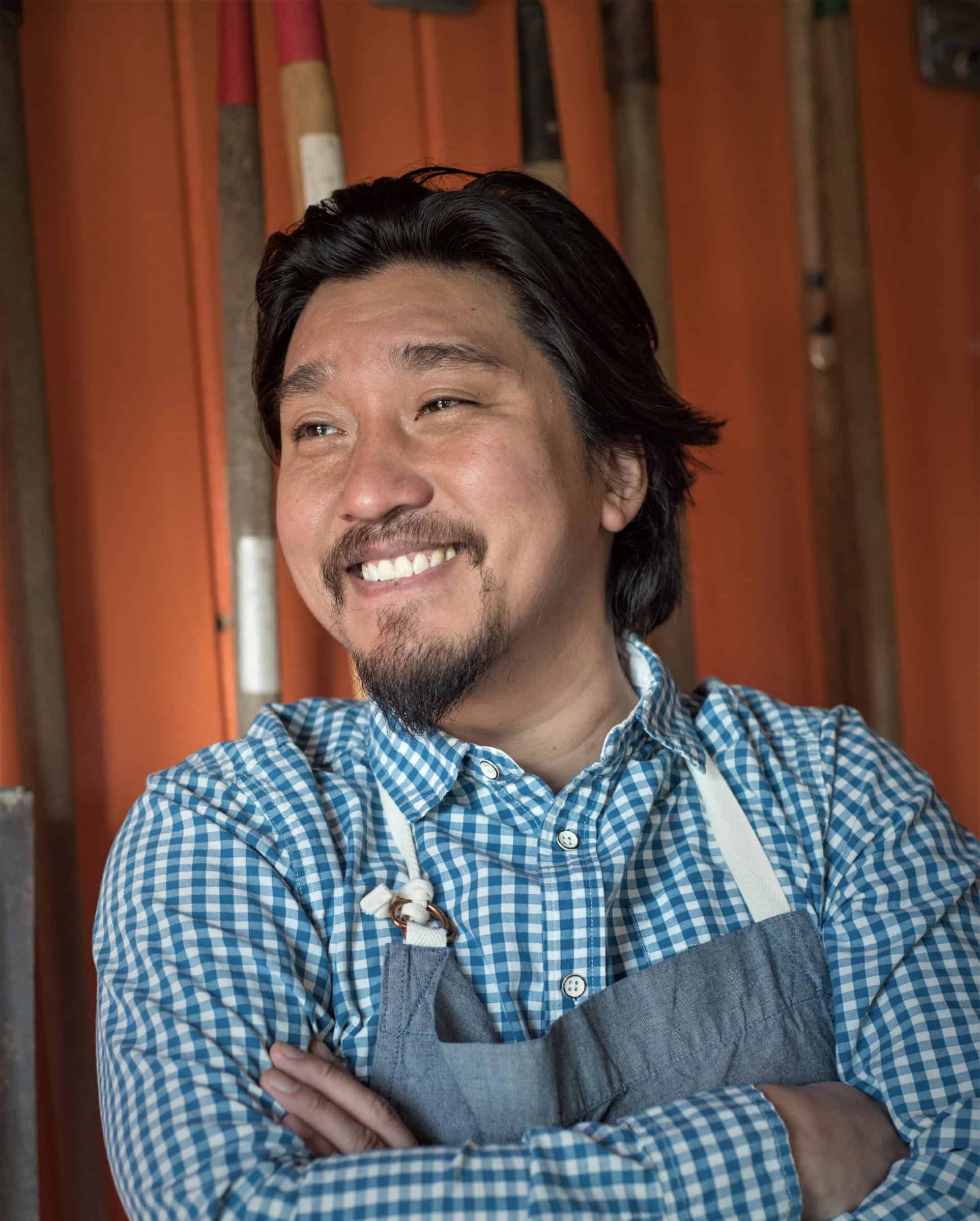
Photography provided by Edward Lee
American Cheese
Edward Lee
Kentucky-based chef, restaurateur and author
“American cheese represents the best and the worst of who we are: artificial yet delicious, affordable yet delicate, maligned yet beloved. A processed invention that has illogically won the hearts of chefs and home cooks alike — and will likely outlast most of our foodie trends.”
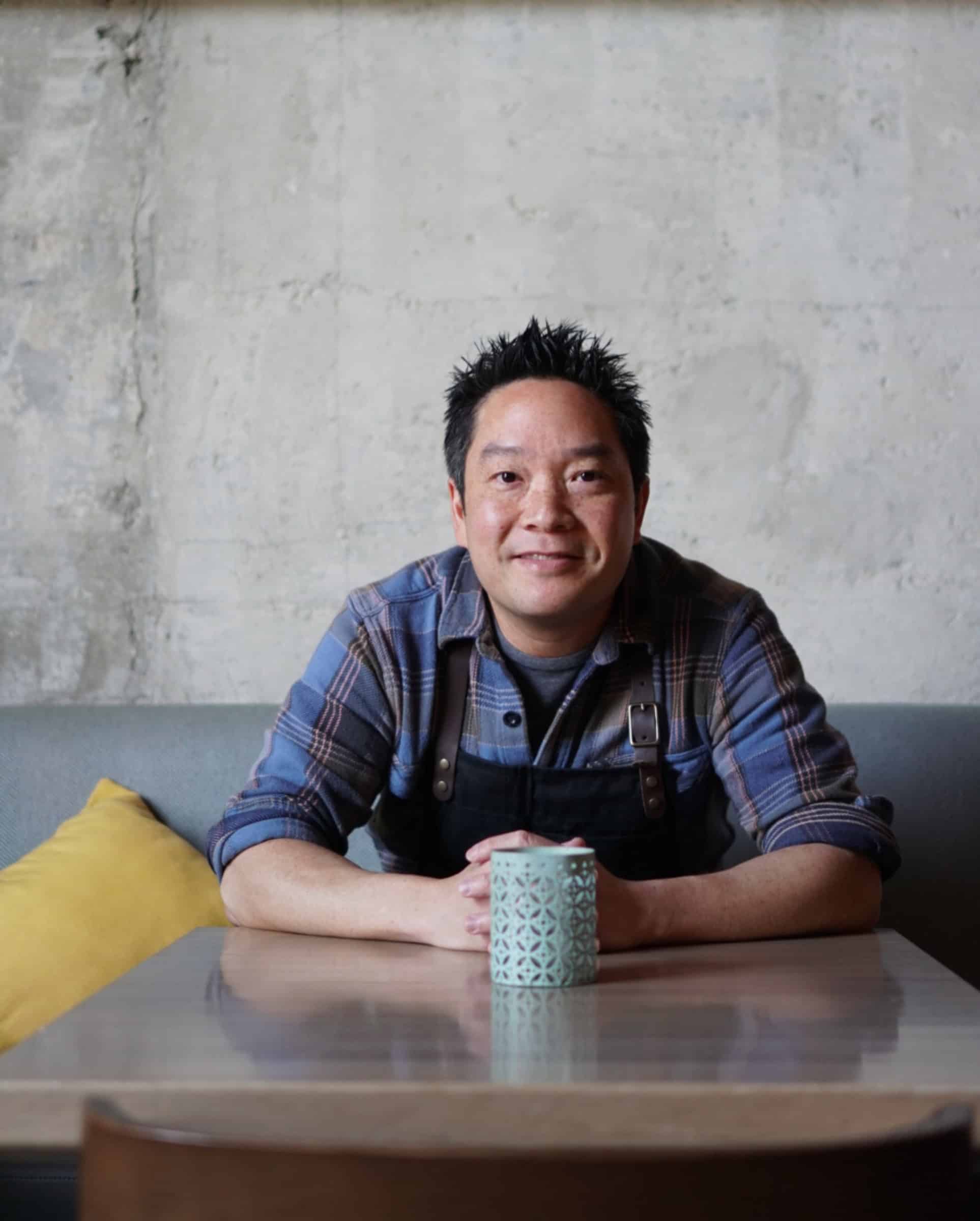
Photography provided by Bryant Ng
Orange Chicken
Bryant Ng
Los Angeles–based chef and restaurateur
“Practically every town in the United States has a Chinese restaurant, and every single person you talk to has some reference point for Chinese American food. You see people eating from those little pagoda takeout boxes in tons of movies — The Godfather, The Lost Boys, The Incredibles. Chinese American food was created here by immigrants adapting to American ingredients and tastes, and it’s now intertwined with everyday American life. So, by that logic, orange chicken is the most American dish.”