The stairs leading to the Metropolitan Museum of Art in New York City on the first Monday of May are easily the most stylish steps one can climb. With celebrities clad in over-the-top couture looks and dazzling jewels aplenty, the Met Gala becomes grander every year thanks to provocative themes. Fashion enthusiasts will recall, for instance, 2018’s “Heavenly Bodies: Fashion and the Catholic Imagination,” in which Rihanna donned a bejeweled Pope’s miter and cape by John Galliano.
Is it too much? No way. Gala chair and former Vogue Editor-in-Chief Anna Wintour blew everyone’s mind once again this year, selecting Pharrell Williams, multi-talented music producer and Louis Vuitton Men’s creative director, as co-chair of the bash. His pixelated Damoflage collection for the luxury brand was such a hit in 2024 that Wintour almost gave him the reins over the Met show altogether. His theme selection? “Superfine: Tailoring Black Style,” focusing on dandies and their evolution of elegance, excellence and identity.

Photography by Jamie McCarthy
Stars understood the assignment. They showed up in bold color-blocked suits and lambskin Burberry coats, with elegant tributes to the likes of Josephine Baker and a nod to iconic Black Hollywood films such as Mahogany and its leading lady, Diana Ross. Some even took a page from street culture and refined it with designer do-rags, luxurious pimp capes and canes.
This was more than a fashion moment — critics called the annual soiree a blueprint for the history of activism in style. It created a public platform for attendees to pay homage to the heritage and power of self-expression and identity. But Black dandyism is nothing new. “In the United States, it began within the past century, during the Great Migration from the South,” says Twin Cities–based men’s stylist Keith Dorsett. “Friday through Sunday was a time to celebrate — to look professional and sharp. People made a collective effort to emphasize where they were from.”
According to Dorsett and historians, the quintessential style of Black dandies harks back to Julius Soubise, a former slave whose exquisite taste in clothing was his ticket into London’s upper class in the late 1700s. A few years later, Beau Brummell’s meticulous tailoring made his name synonymous with the word “dandy,” defined as a man who places extreme importance on the way he looks and carries himself, not only in how he dresses but in the attitude he exudes. Brummell’s garb became the fashion standard if you were a free man of means and privilege.

Photography by Daniele Tamagni | Photography provided by Giordano Tamagni
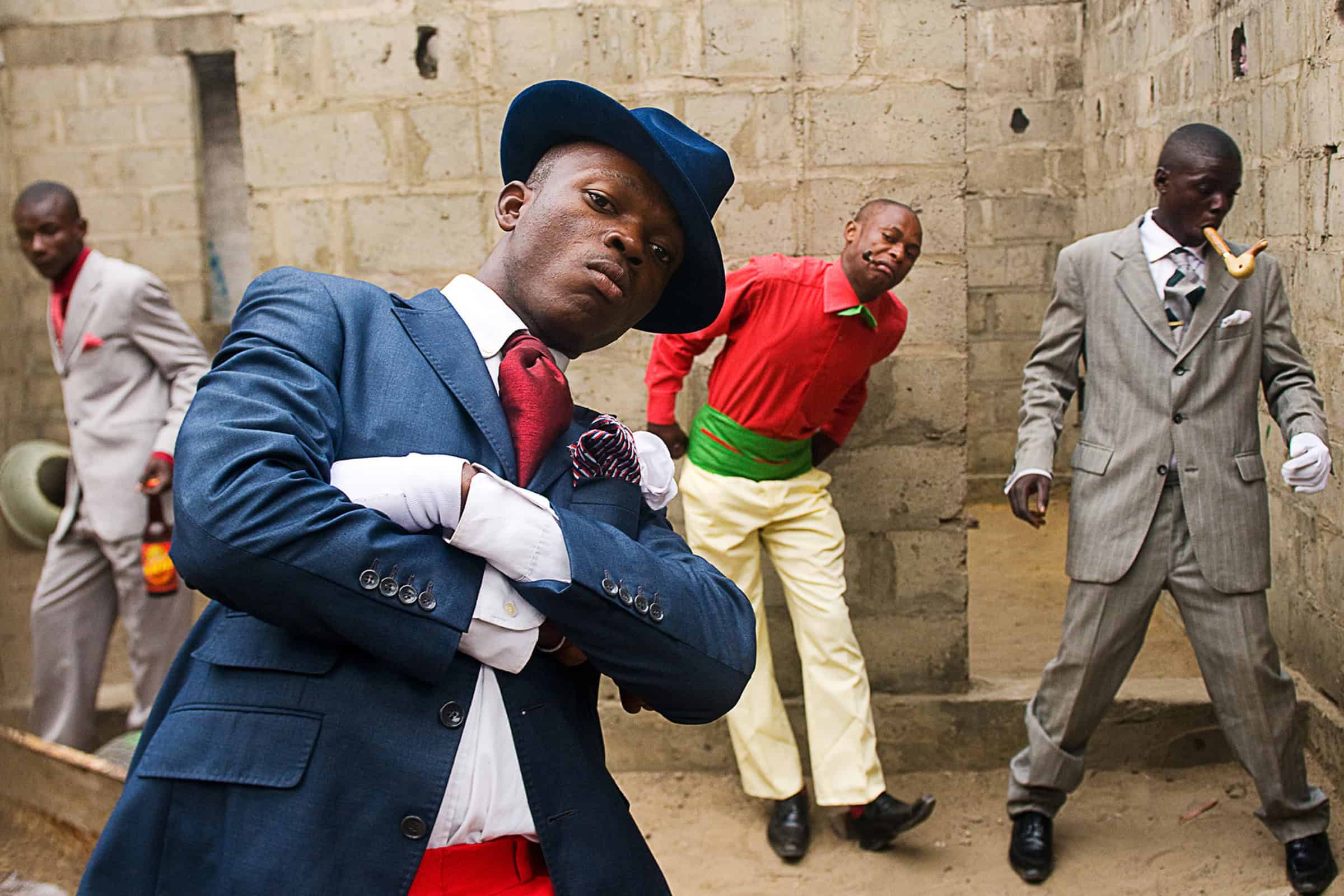
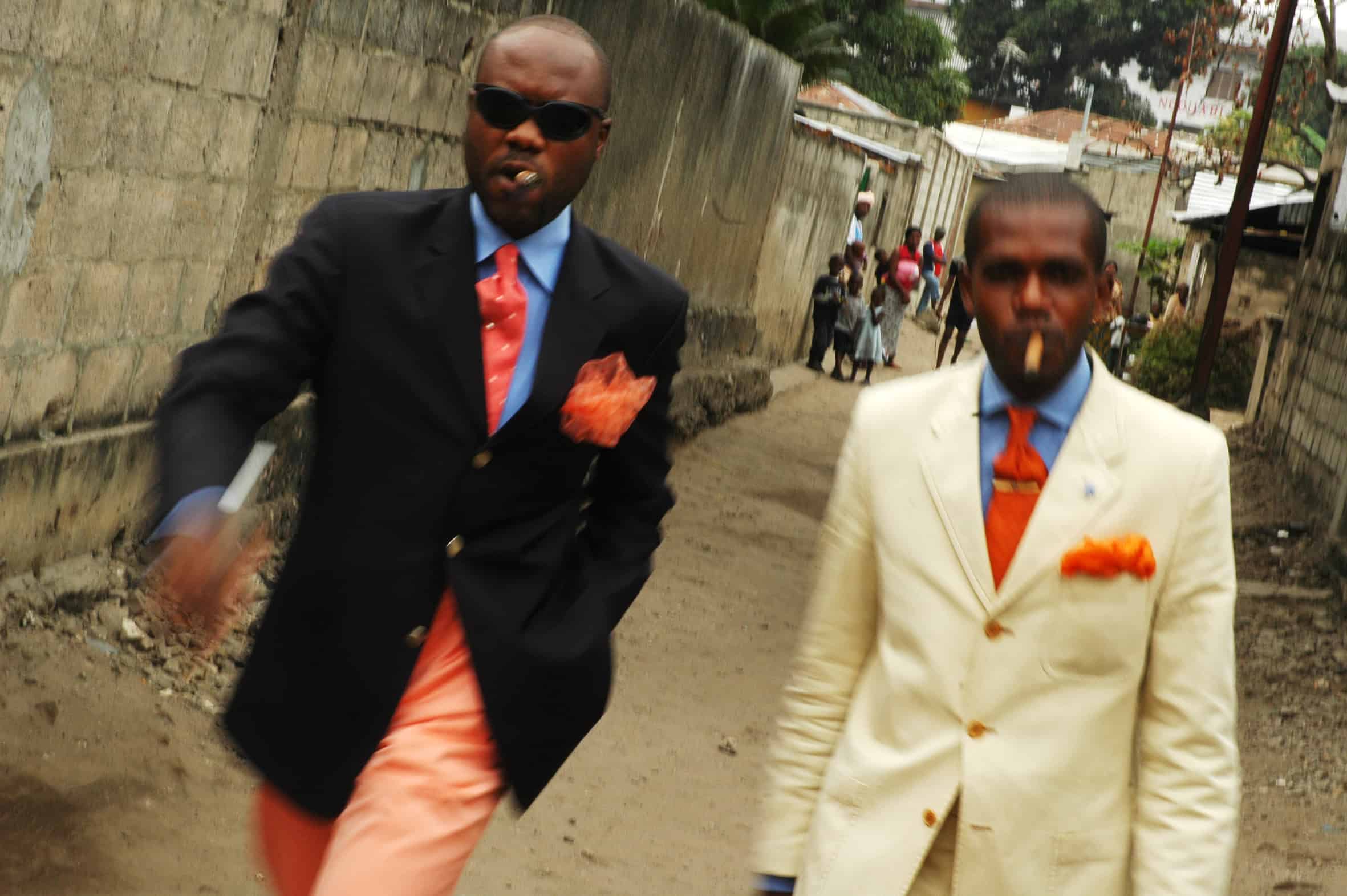
As style became synonymous with class, the wealthy would dress servants in worn suits and waistcoats to show their affluence, especially in places like the Democratic Republic of Congo. Congolese men often donned Belgian styles but added their own twists — think bright pink slacks, polka-dot bow ties, corduroys mixed with silks and double-breasted jackets. These vibrant men, referred to as sapeurs or la sape (followers of the fashion subculture originating in the Congo), were known in their communities as cultural revolutionaries, thumbing their noses at colonialism, civil war, poverty and oppression.
Once dandyism reached African Americans in the 1920s, it took on new meaning. Style wasn’t simply a sartorial statement, but a repudiation of Jim Crow and discrimination. Looking well-tailored meant choosing one’s identity in a segregated world. Style created new opportunities that were once denied to people of color.
Now, after a century, dandies are getting their due — whether at the Met Gala, Minneapolis’ iconic Avant Garden event at Walker Art Center or in London’s Gran Flaneur Walk in the city’s fashionable West End.
Decades ago, Dorsett had hopes of seeing more well-dressed Black men out in the Twin Cities. He put his ideas on style into a book while working at Dayton’s in 2004, which caught the attention of Minneapolis-based fashion promoter Richard Moody. Together, they launched the Twin Cities Dandies Project in 2014, starting a local fashion movement — no small feat in the land of 10,000 Vikings jerseys. Now, the small but mighty group of style-setters has expanded into new subcategories of dandies: hellenic, country club, even consignment.
Photography by Daniele Tamagni | Photography provided by Giordano Tamagni
“In Minneapolis’ North Loop neighborhood, we see a lot of dandies,” says MartinPatrick 3 Store Manager and Stylist Hoss Al-Gassid. So much so that the luxury retailer hosts an annual Black Attire party, drawing roughly 300 men and women from across the metro, all dressed to the nines. “Dandyism is more than an attitude — it’s a lifestyle. If you embrace it, you’ll always be a dandy.”
“The word ‘dandy’ deserves respect,” says Grant Whittaker, a Minneapolis-based creative director and style expert. “Back in the day, people had to dress to impress for many reasons — one being that they were oppressed.” But today? “We’ve become such a social media–centered world that people don’t know how to dress,” he adds. “You can’t just dress for Instagram.”
Indeed, the Twin Cities has its share of dandies, like Jeff Springer, a North Loop men’s stylist known online as the Real Suit Guy. “Even when he goes out for coffee he looks good,” laughs Al-Gassid. And Houston White, the Camden neighborhood designer, whose line of relaxed houndstooth suits and floral shirts is a must for men whose tastes reflect a casual, retro elegance.

Photography by Mark Junge
Then, of course, there are dandy legends, like Prince, whose handmade boots, custom suits and signature Love Symbol jewelry created a purple parade of fans imitating his recognizable style, from Paisley Park to Paris. “That’s a no-brainer,” says Al-Gassid. “The colors, the vibe — always put together. I don’t think I’ve ever seen a photo of him with a five o’clock shadow.”
Despite its current hype, the dandies crowd isn’t huge. After all, it takes work — and money — to look good. With that in mind, Dorsett keeps a cautious eye on the future of style, particularly for young Black men. He explains that with the recent boom in street-style brands, many are looking to solidify their own sense of personal style. “We’re colorful people,” he says. “We have to celebrate ourselves. And when you dress well, you feel good about yourself. No one can take that away from you.”
Moody says that this year’s Met Gala was a guide to help young men build confidence in their own style — using taste as a shield against barriers and bigotry, but also emphasizing individuality. Style can open doors to places they’ve never dreamed of, he contends. “We want the next generation to know that anything is possible,” Moody encourages. “Be you. Own your look.”