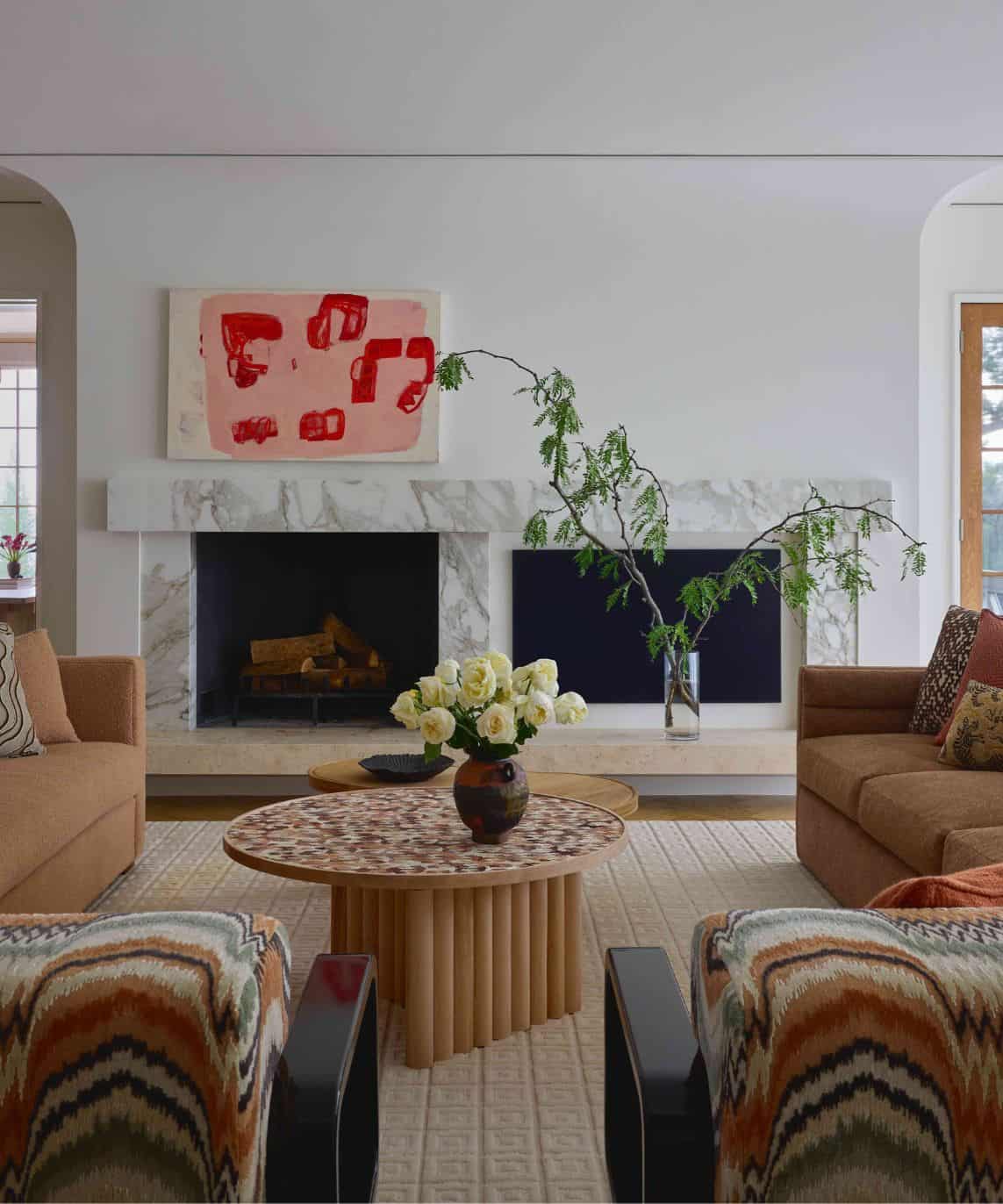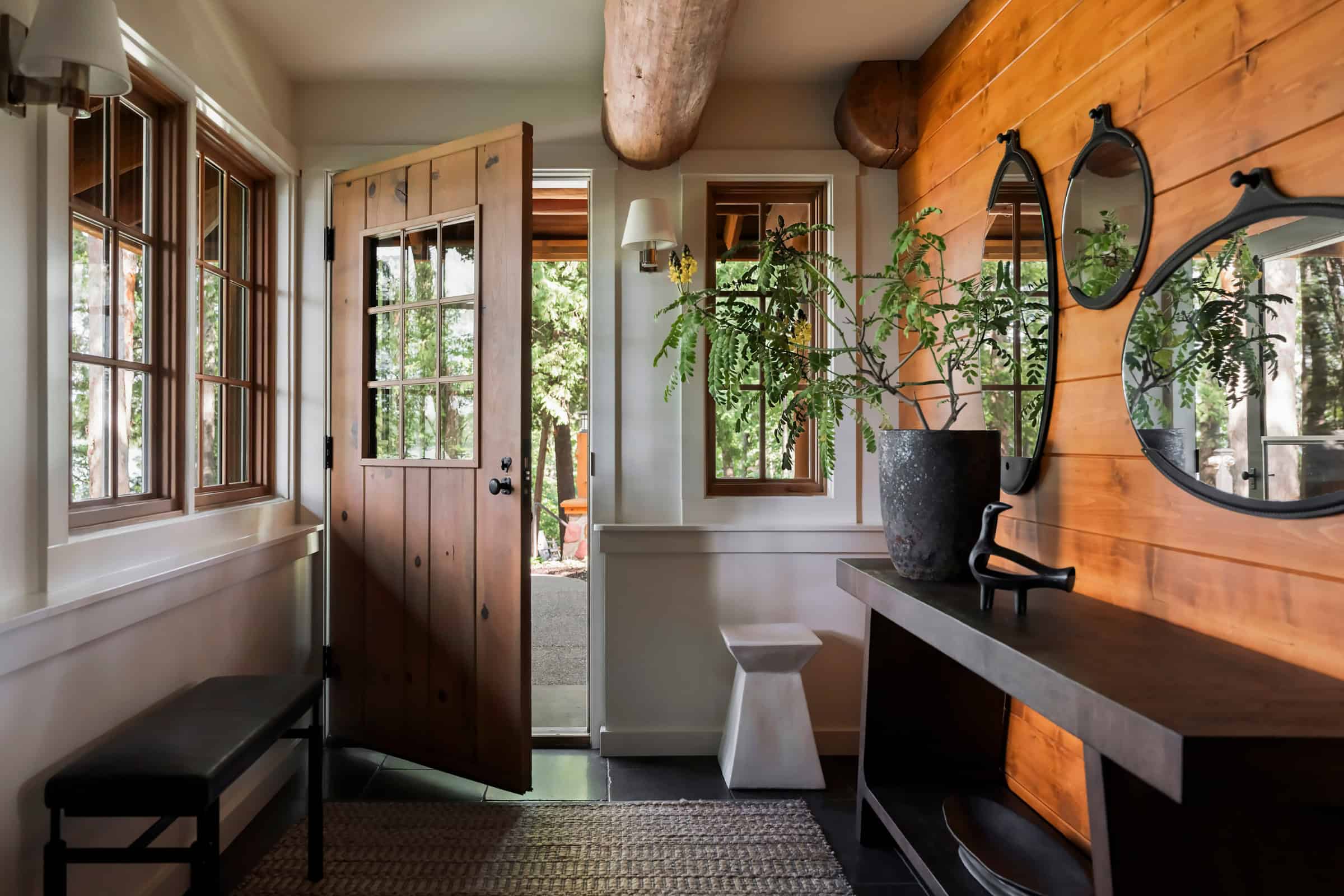
In the Midwest, design starts the same way conversations do — with the weather. We discuss it with everyone, because here, the weather is never just small talk; it’s a bona fide house guest. Our architecture reflects that reality, asking our homes to be adaptive rather than prescriptive. Architecturally, the Midwest teaches restraint: Open things up when the season allows, close them gently when it doesn’t. Over time, these seasonal demands have evolved into design decisions.
Climate isn’t our only collaborator. A strong values system insists that spaces be useful and legacy-informed, often passed down over time. Command of land, materials and existing structures is innately assumed. Flexibility is valued over formality, because life here is rarely tidy. Together, these tenets create a worldview that feels uniquely Midwestern. Researchers might label the phenomenon of native sons returning to the mother land “boomerang migration,” but those of us who live here understand that this place has a magnetic pull.
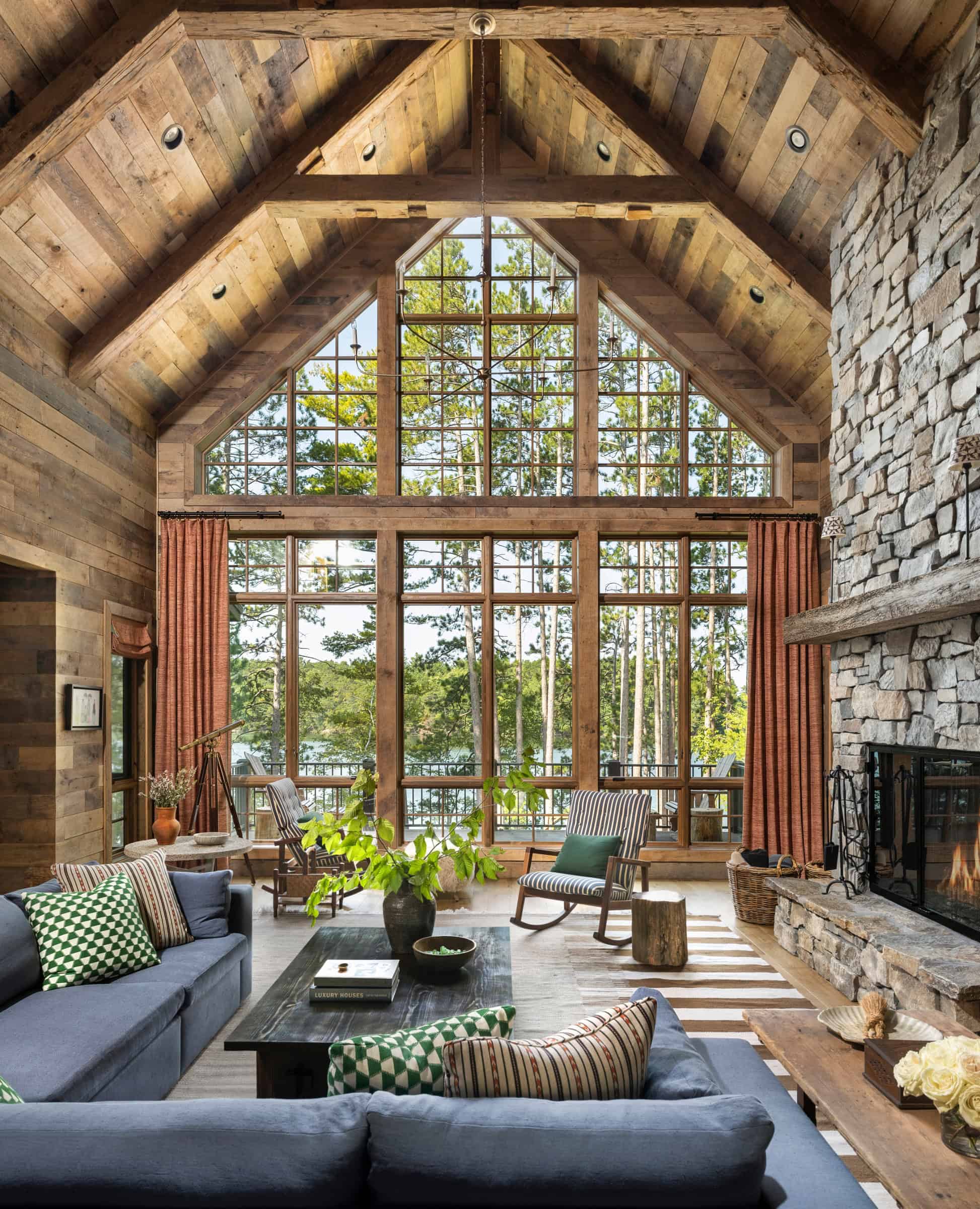
Interior design by Nate Berkus | Photography by Rob Grosse/Spacecrafting
Our residential design approach tends to be humbler than that of our coastal counterparts. “Midwesterners need permission to love something just because it’s beautiful,” says interior designer Nate Berkus, who grew up in Minnesota and has spent his illustrious career shaping residences across the country. Beneath that hesitation is practicality — a belief that a home should earn its keep. In the Midwest, Berkus notes, people are inclined to know themselves well enough to step outside the pack, beyond the trend. Some of his most meaningful projects have been in Minneapolis, Chicago, Indianapolis and Cleveland — where homes are shaped by a sense of responsibility as much as taste.
As stewards of the Great Lakes, Midwesterners have long understood what it means to care for something bigger than ourselves. And lately, there’s a growing recognition that our way of life built on durability, ritual and care has been quietly working all along. As national attention turns toward how we live here, it becomes impossible to ignore the structures and spaces that make our layered lifestyles possible. Homes are built to support real life. Rooms are designed for everyday use. Materials are chosen to last so they can eventually be inherited.
Often used as shorthand for “real America,” the Midwest is, in reality, quite nuanced. It stretches from Northwoods forests to prairie-grass breadbaskets, from vast inland waters and historic industrial cities to quieter towns and rural edges. With such a range in climate, landscape and daily rhythms, a single architectural point of view was never going to take hold. In other parts of the country, a unified style grows out of shared conditions. East Coast destinations like Boston and New York City established their urban forms early and reinforced them over centuries. Meanwhile, West Coast cities like Los Angeles and Portland, Oregon, expanded through rapid, concentrated booms. The Midwest has a different rhythm. It was shaped in waves, settled over longer periods, often moving county by county, generation by generation, rather than all at once.
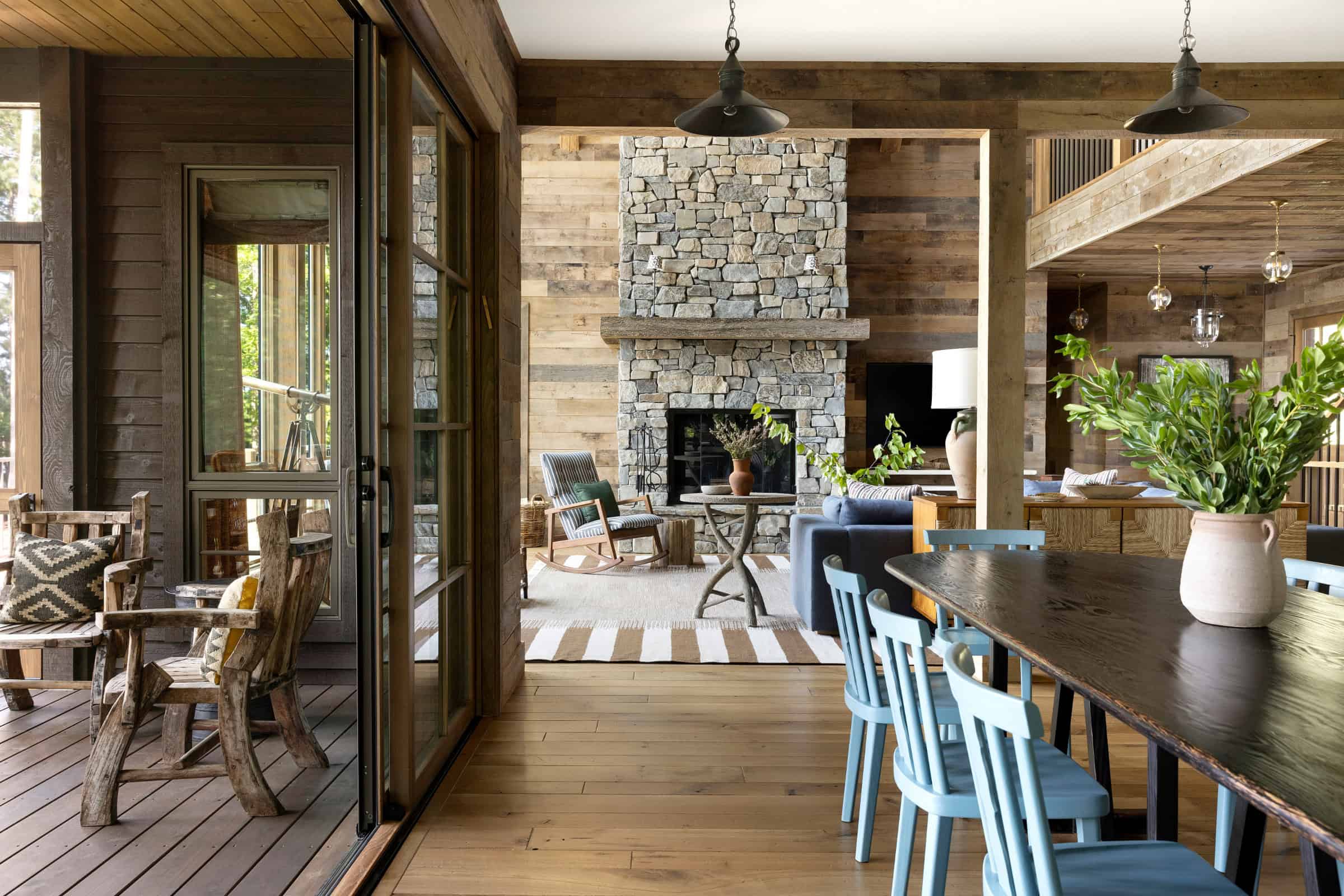
Interior design by Nate Berkus | Photography by Rob Grosse/Spacecrafting
As a result, our growth — and our architecture — unfolded gradually. The outcome is a built environment that feels comfortably layered and oftentimes contradictory. Unlike coastal regions that rally around a dominant architectural vernacular, the Midwest embraces juxtaposition and finds continuity not in sameness, but in coexistence. A stucco Tudor might sit beside a brick Colonial, across the street from a farmhouse or a split-level ranch. With so much variety on a single block, you somehow feel right at home.
What unites Midwestern homes, regardless of style, is that constant negotiation between extremes. “You’re always building for two worlds,” says interior designer Victoria Sass of Minneapolis-based Prospect Refuge Studio. Having lived in California, she notes that design there can respond to a single climate. In the heartland, homes are crafted with the assumption that nothing is everlasting. That duality shows up in deliberate thresholds that expand in summer and contract in winter — which helps explain why Midwestern houses resist design purity. Instead, they evolve, shaped as much by practicality and memories as by aesthetics. “We inherit spaces and furniture,” Sass adds. “That creates architecture that feels naturally collected instead of curated.”
In conversation with renowned tastemakers, we learn how this eclectic approach toward design finds commonality across five quintessential Midwestern styles: the lake house, Scandinavian cottage, urban loft, up-north cabin and Prairie modern.
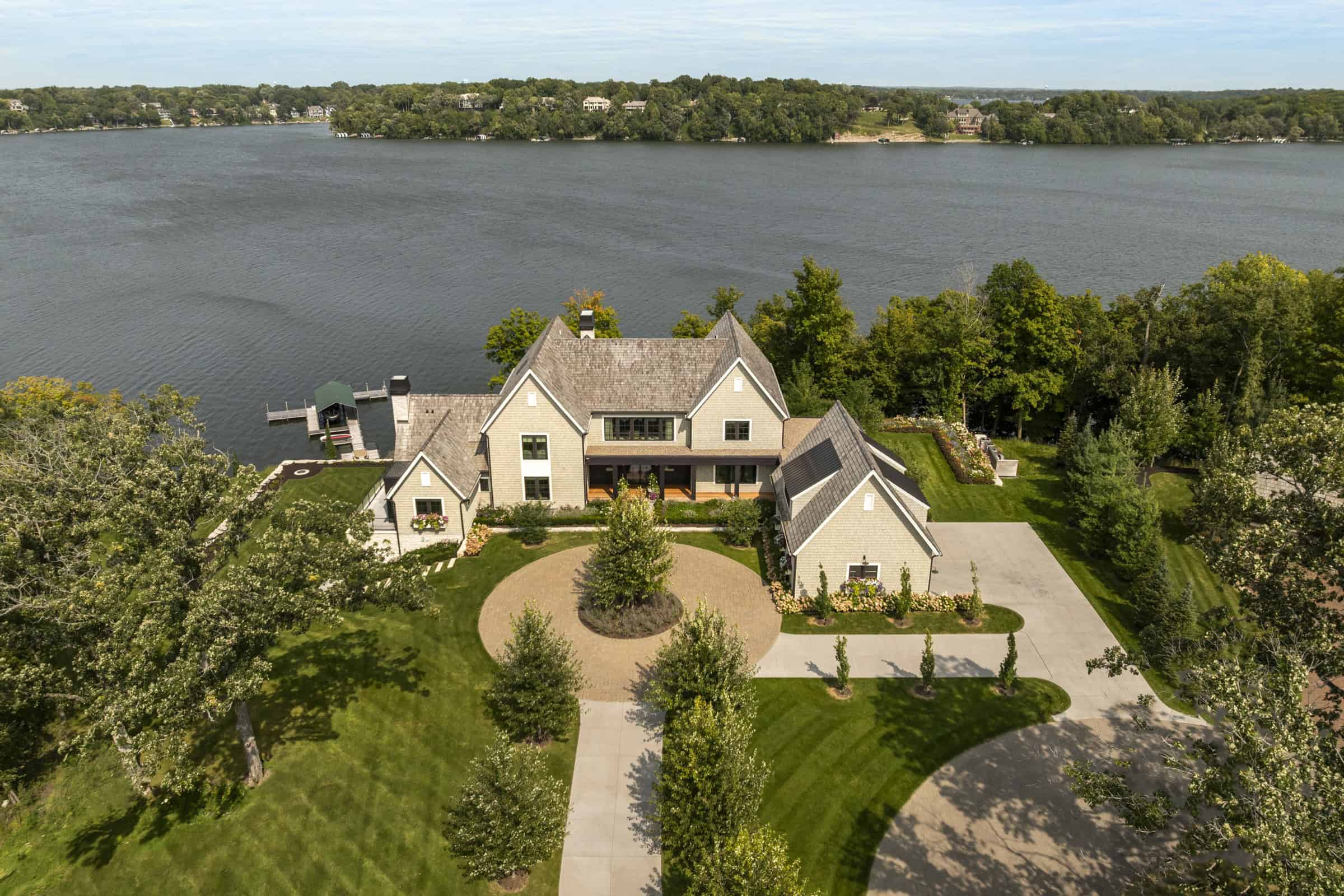
Architecture by PKA Architecture | Build by John Kraemer & Sons | Photography by Rob Grosse/Spacecrafting
Lake House
The defining question of a lake house proves to be as architectural as it is philosophical: Which side is the front? Before paved roads stitched together shorelines, arrivals happened by water. Guests came by boat, supplies crossed the lake and the shore served as the public face of the home. That legacy lingers. Orientation here isn’t just a design move, but a declaration of priority. “Daily life at the lake is structured around light and water,” says prominent Twin Cities homebuilder John Kraemer. The lake isn’t simply the view; it’s the organizing principle.
Increasingly, Midwestern lake houses are not escapist retreats meant to be briefly occupied and closed up again. They are four-season homes built for busy families and real routines of working remotely, raising children, hosting friends and aging in place. This shift is visible in the architecture itself. In recent decades, lake houses have moved away from whitewashed, shingle-style coastal cottages with steeply pitched roofs and dormers, leaning instead toward Prairie influence. Now, these homes sit lower to the land, with strong horizontal lines and sheltering eaves and gables that borrow their proportions from boathouses.
“As humans, we want to be able to get outside as seamlessly as possible,” explains architect Christine Albertsson, who shares the Minneapolis-based firm Albertsson Hansen Architecture with Todd Hansen, prioritizes this belief. In order to create a more “gracious experience” with nature, living spaces are often set slightly above ground level, allowing direct access to the great outdoors rather than requiring steps up or down to it.
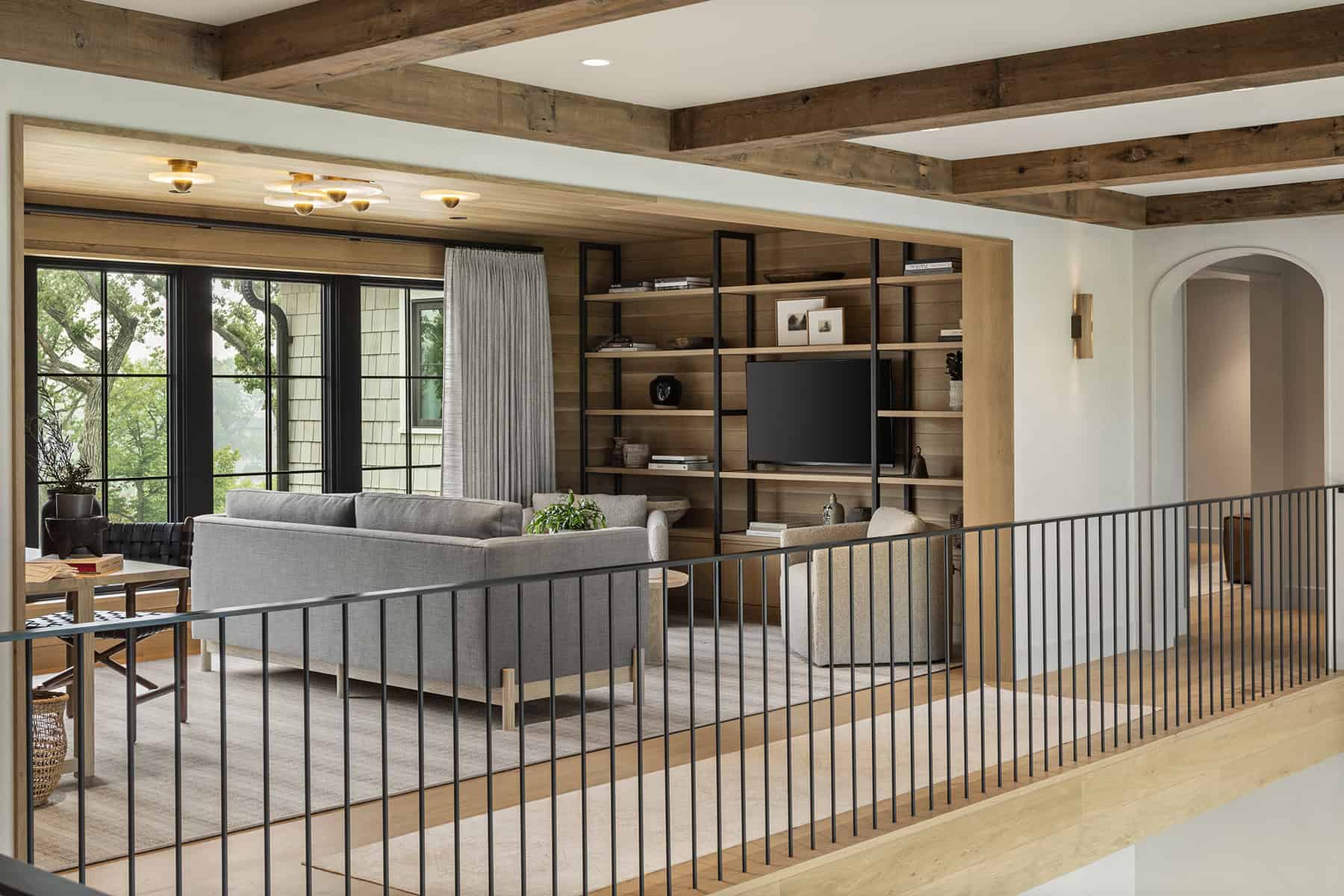
John Kraemer & Sons Artisan Home Tour by Parade of Homes 2023, photography by Jim Kruger
One of the most telling features of a Midwestern lake house is the basement, which offers the lakeshore equivalent of a mudroom: the sand room. A discreet point of entry outfitted with durable flooring (typically tile or concrete), this is where sandy feet are rinsed off, wet towels are dropped and lake gear is stored for easy access. Beyond that, these lower levels function as true extensions of daily life. They’re intentionally designed to host guests, entertain kids on rainy days and support active routines year-round. Fitness rooms, wellness spaces, sport courts and even golf simulators appear not as indulgences but as practical responses to weather that keeps us on our toes.
Above ground, layouts prioritize ease and flexibility. Kitchens, dining areas and great rooms effortlessly flow into one another and ensure access to the outdoors is equally seamless. Expanses of glass frame water and sky, while lower-level walkouts make even the coldest months not just manageable, but enjoyable. Outdoor living unfolds in layers rather than a single grand gesture: an open deck or terrace for long summer days, a screened porch (more on those later) that captures the breeze without sacrificing comfort, and often a three- or four-season room anchored by a fireplace. These hearths play an emotional role disproportionate to their size. In lake houses, fireplaces are gravitational, drawing people together at night, during shoulder seasons and in those quiet hours when the lake finally goes still. “There’s definitely a culture of everybody needing to be in the same room,” says Sass.
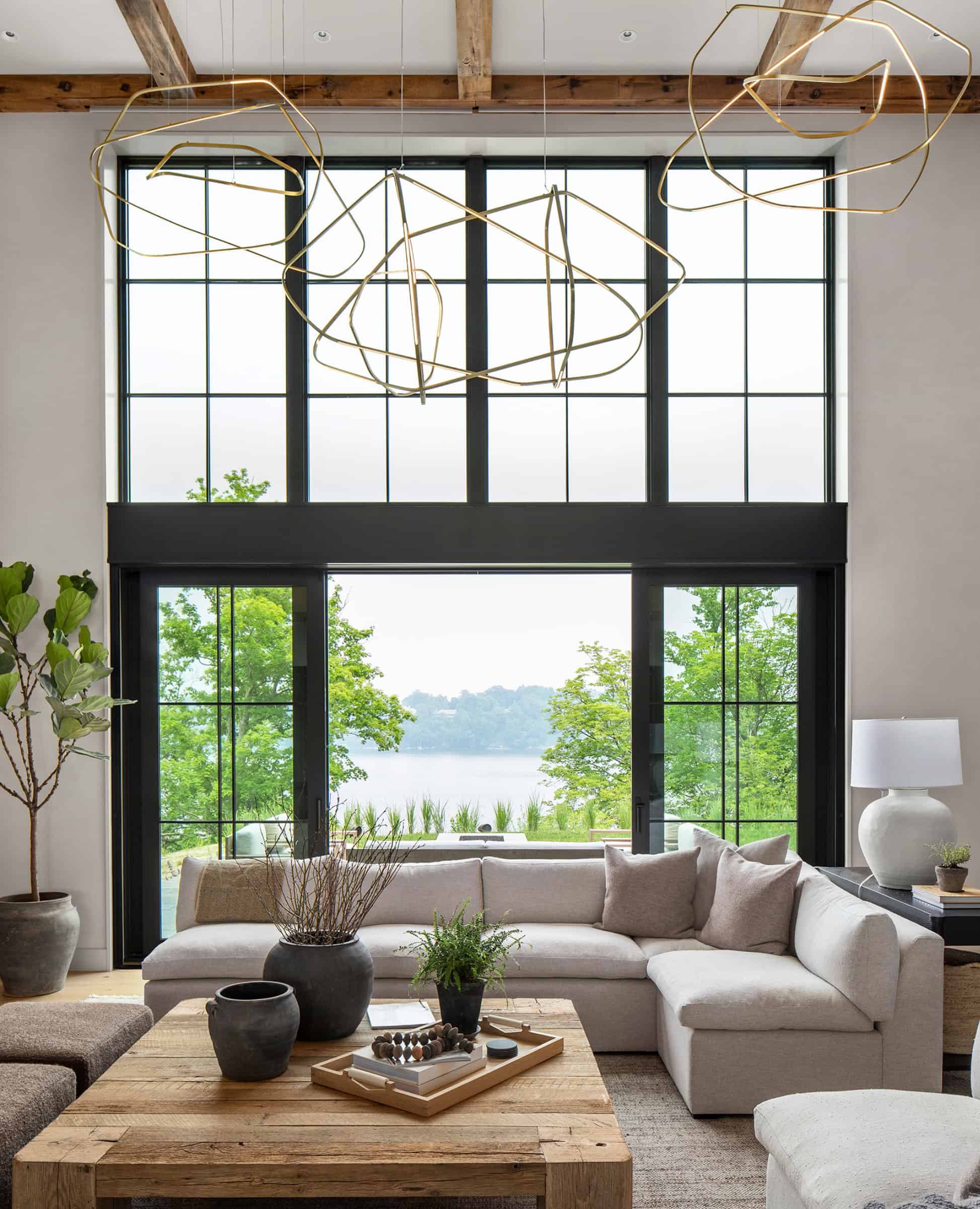
Architecture by PKA Architecture | Build by John Kraemer & Sons | Photography by Landmark
For all their composure, these homes remain deeply tactile and lived-in. Berkus puts it simply: “Midwesterners gravitate toward things that are real — granite, oak, limestone, wool, leather.” Materials that feel good under bare feet and age with grace. On the exterior, cedar, stone and stucco are selected for longevity and low maintenance. Ultimately, lake houses are built to ease transition, so the coming home feels effortless no matter the time or season.
How to Spot it: A house that turns its face to the water. Built lower and wider than coastal homes, with deep eaves and porches that welcome long days and unpredictable weather. Rooms flow effortlessly outdoors. Materials are sturdy and familiar. There’s always a place to drop wet towels, gather by the fire and stay awhile.
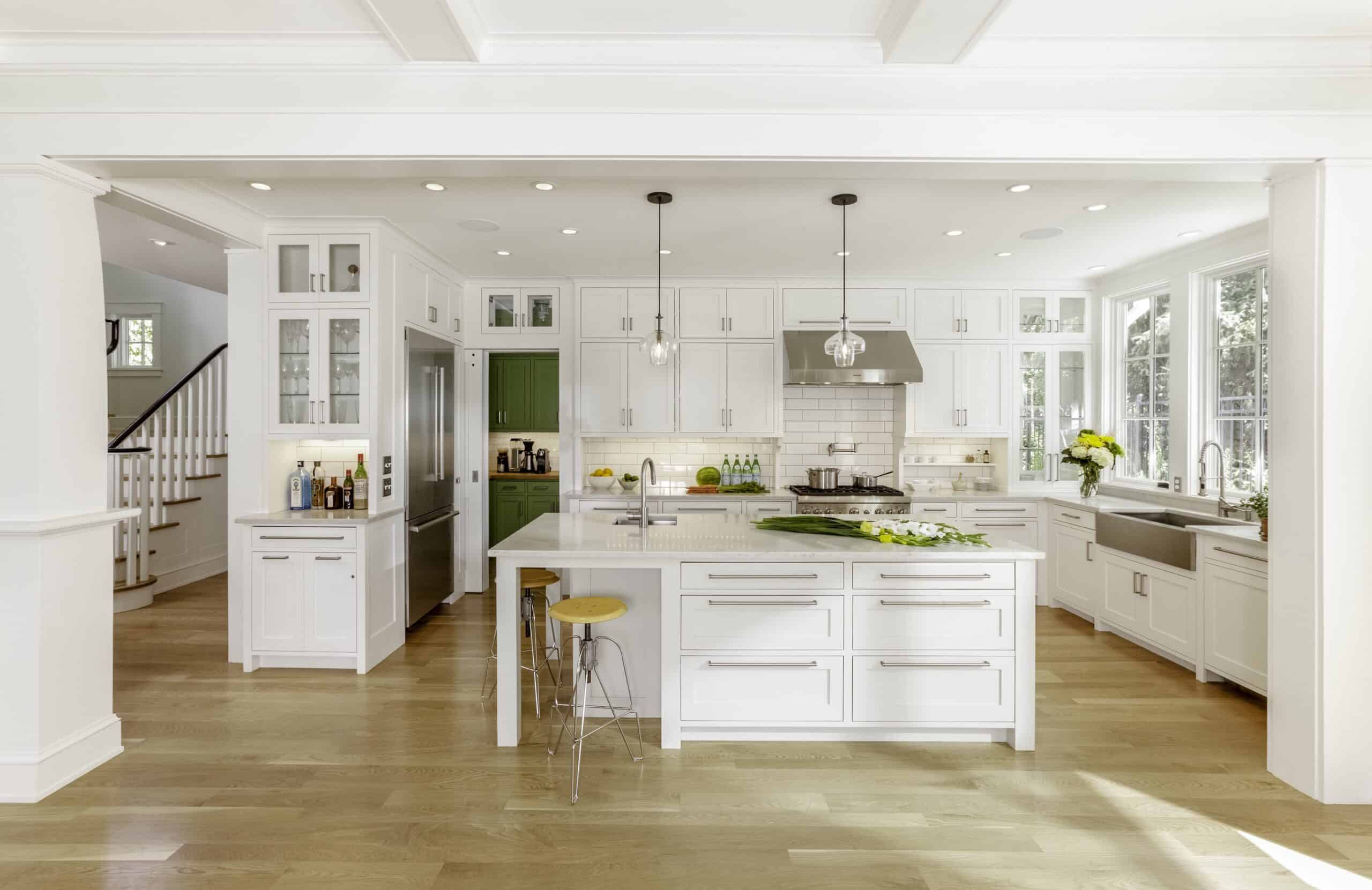
Artchitecture + Interior Design by Albertsson Hansen Architecture | Photography by Adan Torres
Scandi Cottage
Long before Scandinavian design became a national trend, immigrants from Sweden, Norway, Finland and Denmark settled across the Upper Midwest. Drawn by farmland, water and a climate that felt familiar, these communities didn’t just populate the landscape; they organized it.
The Scandinavian cottage feels so natural in the Midwest because it grew out of social fabric. Immigrants brought with them expectations about modesty, shared responsibility and comfort as a collective good. Folk schools, church halls and community saunas weren’t showy buildings or experiences; they were hard-working spaces designed to hold people for long stretches of time, especially through winter. Warmth — both literal and social — was essential. Over generations, these values naturally folded into the Midwest’s architectural DNA, shaping homes that prioritize clarity, usefulness and emotional warmth over grandeur.
Scandinavian cottages tend to appear quietly across the Midwest, in places where water, trees and density coexist. At first glance, their architecture reads as restrained and light-seeking: simple forms, minimal ornamentation and a commitment to conciseness. But here, the Scandinavian influence doesn’t arrive totally intact. It adapts to climate, to American scale and to the Midwest’s deeply practical relationship with land.
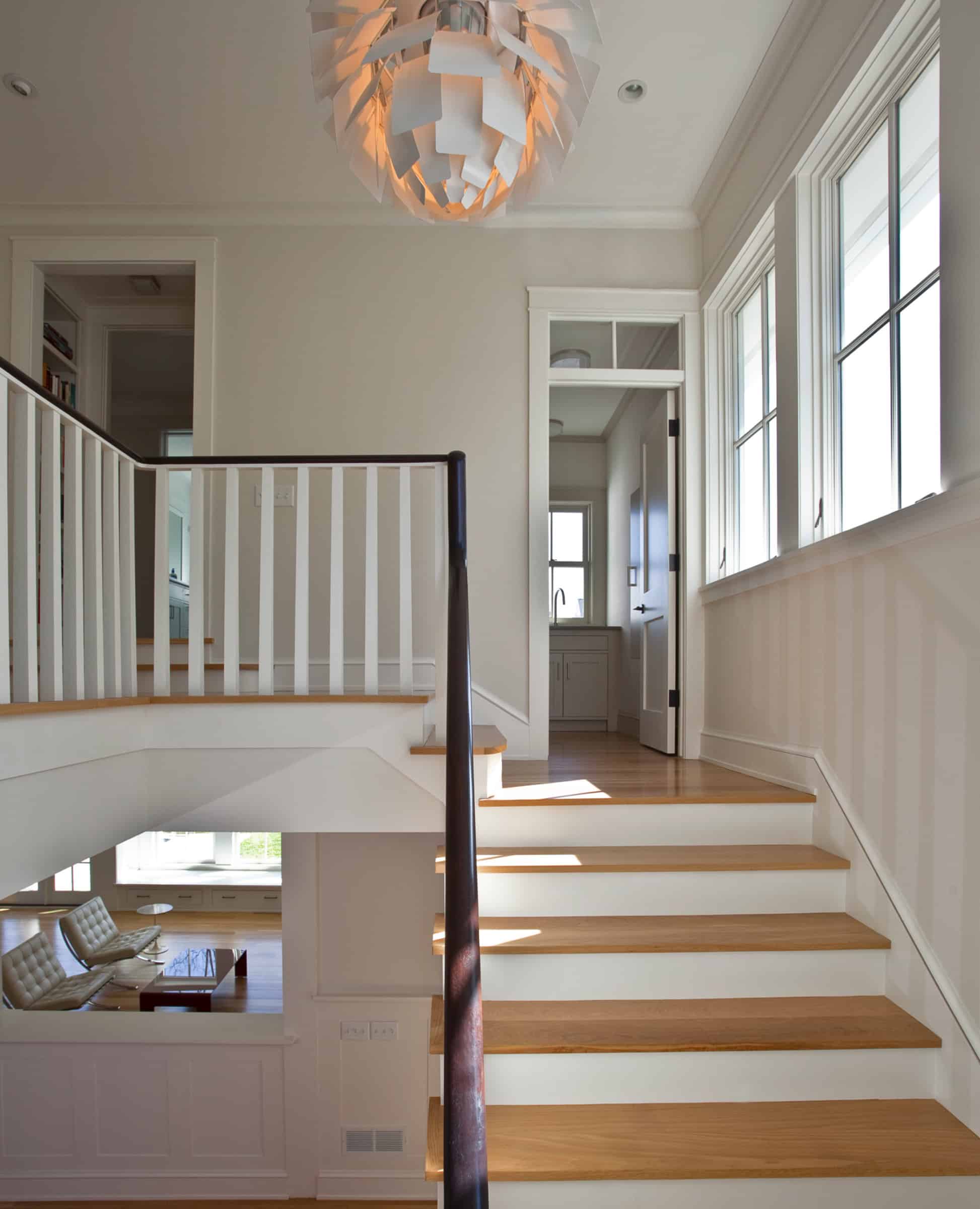
Artchitecture + Interior Design by Albertsson Hansen Architecture | Photography by Adan Torres
“Wanting to live outside and enjoy nature is more of a feeling or mood than a set style,” says Hansen. To that end, the modern Midwestern take on Scandinavian design includes slightly larger rooms and more storage — markers of American abundance that sit comfortably beside the aesthetic’s trademark restraint.
What remains constant is the pursuit of light. With our long winters and short days, these homes are designed to catch and hold daylight however possible. Clean lines and thoughtful window placement let sunlight move uninterrupted across walls and floors. In some homes, that strategy becomes almost ascetic, with pale surfaces that bounce light deep into the interior. In other abodes, the response is more intimate. As Sass observes, the palette shifts to “darker woods, softer finishes and richer tones that absorb light rather than amplify it, paired with fire as a counterbalance.” Both approaches answer the same seasonal reality: The house must feel expansive in January and unforced in July.
That attentiveness naturally extends beyond the walls themselves. Sauna culture slips easily into this style, not as luxury but as ritual. Whether integrated into the main structure or housed in a small outbuilding, the sauna becomes part of a seasonal circuit: cold to warm, inside to outside, solitude to quiet togetherness. It’s a reminder that living well here has always required attentiveness. “We’re seeing more and more saunas, cold plunges and similar rituals,” says Kraemer.
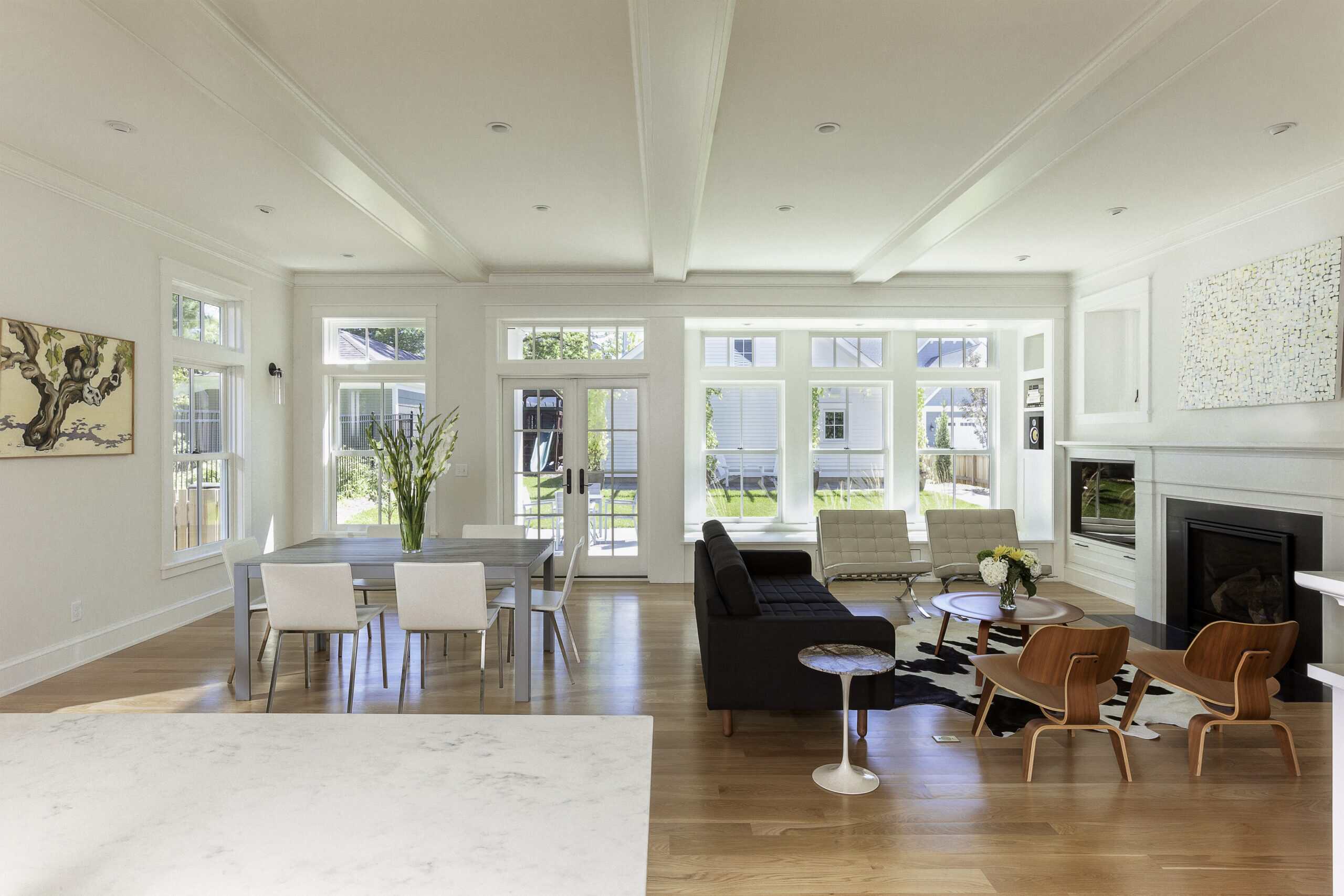
Artchitecture + Interior Design by Albertsson Hansen Architecture | Photography by Adan Torres
That same awareness shows up in how these homes are built and finished. This is where the Midwest most clearly embodies the Scandinavian ideal: through material honesty. Think pine paneling, birch, maple, oak, softwoods — materials that are local, familiar and quietly expressive. The result is an interior language that feels simultaneously pared back and deeply warm.
Layouts follow the same logic. Rooms are rightsized with intention, resisting excess while remaining flexible. Living, dining and kitchen spaces flow together with equal importance. That openness reflects a cultural value as much as a spatial one. Albertsson connects it to Jantelagen, the Scandinavian principle emphasizing humility and collective belonging — that no one is better than anyone else. No one is above the weather, the season or the shared task at hand. “It’s so right for us in this moment of time,” Albertsson punctuates. “The Midwest is a place you can just be.” That open-door, embracing quality is fundamentally humble, and it’s something the rest of the country is noticing.
How to Spot it: Bright but never flashy. Simple shapes, calm rooms and a careful relationship with light. Spaces feel modest, warm and well-used, with natural wood and clear sightlines. Storage is generous, clutter is minimal and shared areas matter more than showiness. Comfort here is quiet and deeply intentional.
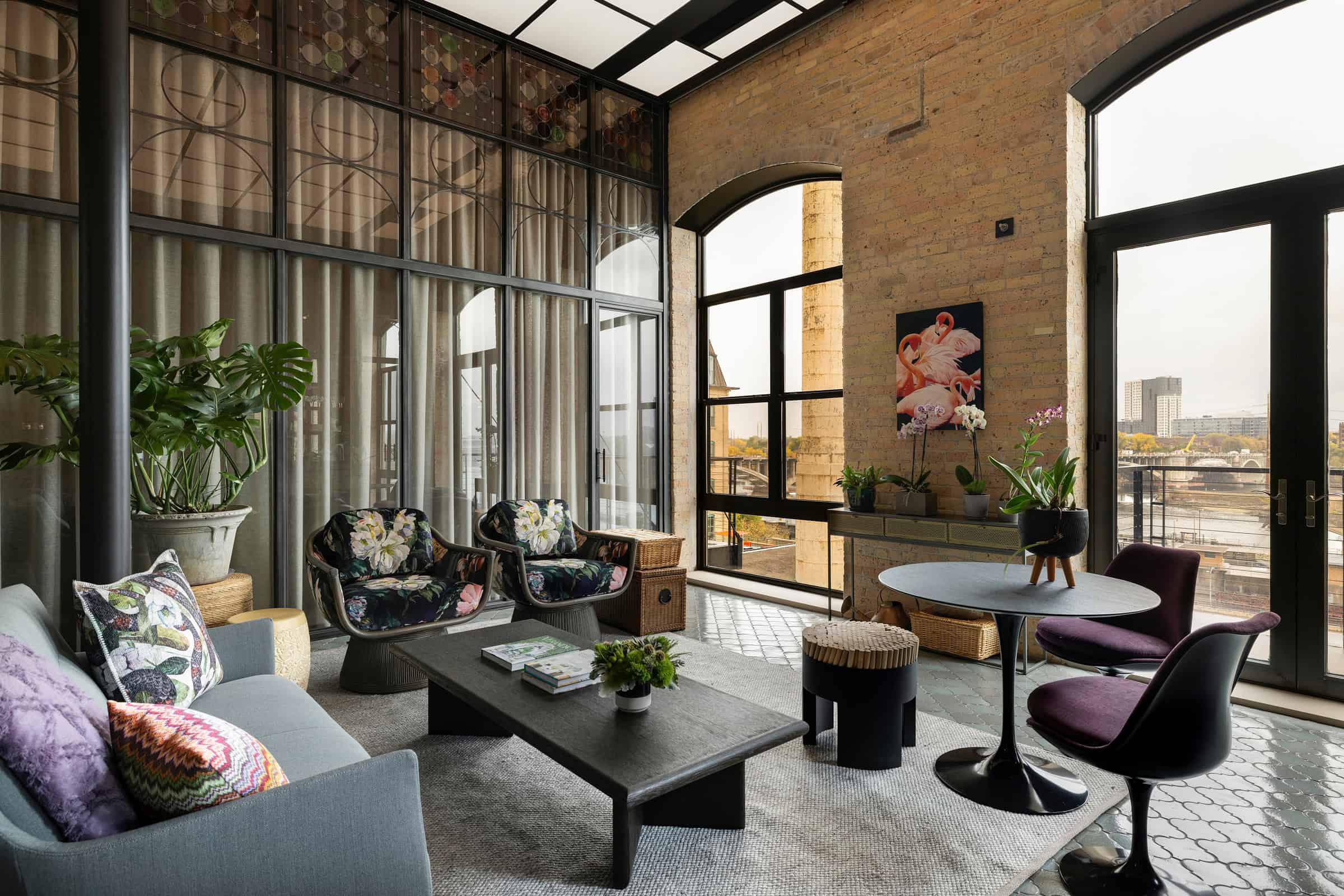
Architecture by PKA Architecture | Build by Streeter | Interior design by MartinPatrick 3 | Photography by Rob Grosse/Spacecrafting
Urban Loft
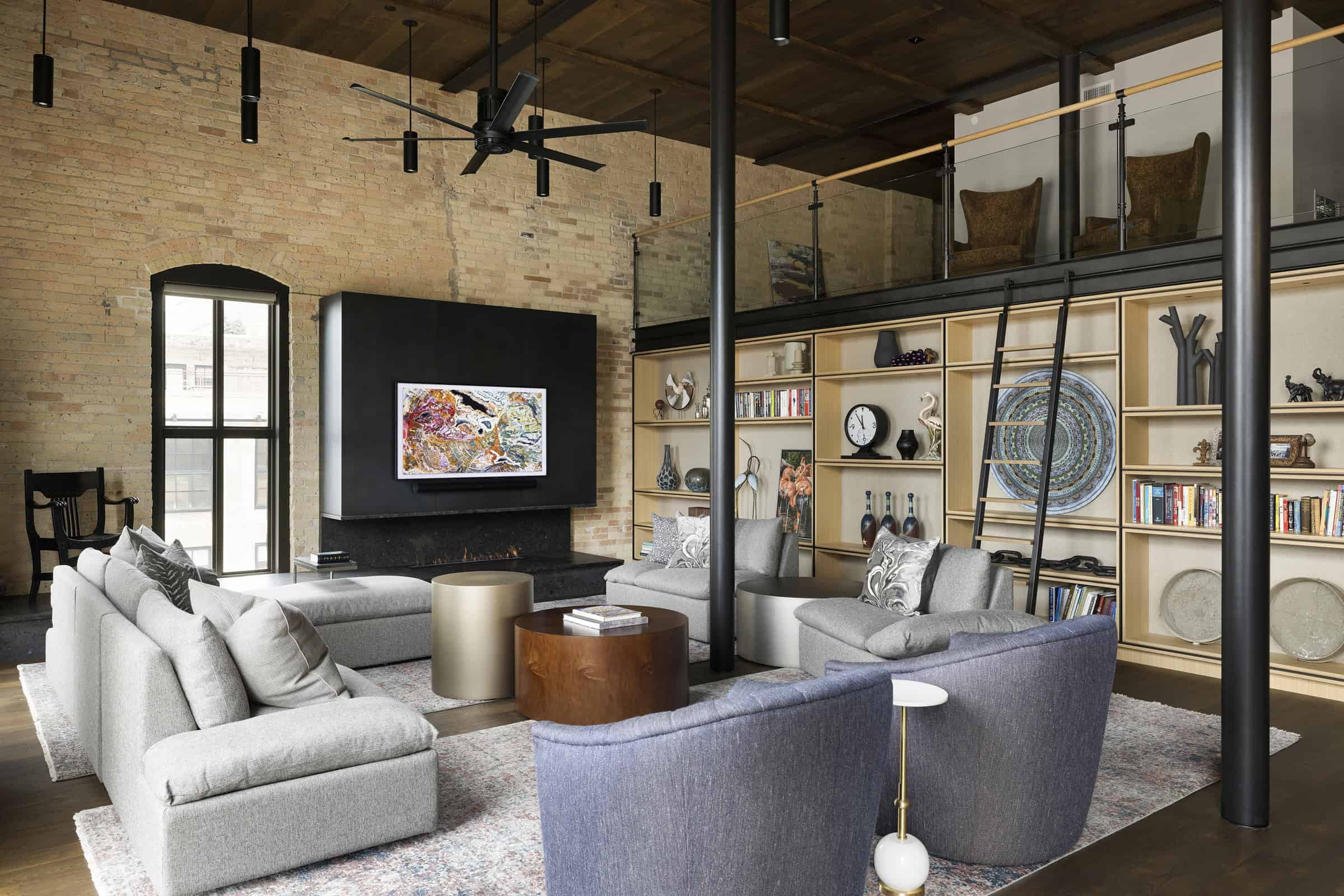
In cities like Minneapolis, Chicago, Milwaukee, Cleveland and Detroit, the urban loft carries a distinct sensibility. It looks industrial on the surface, but its intentions are decidedly domestic. These homes have a job to do: be good citizens on the street, welcome guests without hierarchy, and make the act of coming in from outside feel easy and unpretentious. The values that shape Midwestern homes don’t disappear in the city; they simply recalibrate.
Many of these urban abodes began not as houses at all, but as inheritances of industry. Across the Midwest’s river and rail cities, massive warehouses and factory buildings once anchored local economies. These structures were engineered to be functional first. Their architecture reflects that mandate through thick brick masonry, high ceilings, window bays designed to light factory floors and exposed systems meant to endure.
In Chicago, history shows up architecturally in freight doors, often preserved and repurposed as sliding panels between sleep zones. At a smaller scale in cities like Minneapolis and Milwaukee, waterfront mills and breweries often translate into lofts that feel more compact, with lower ceilings, cast-iron columns and arched windows, designed for a more specialized type of work.
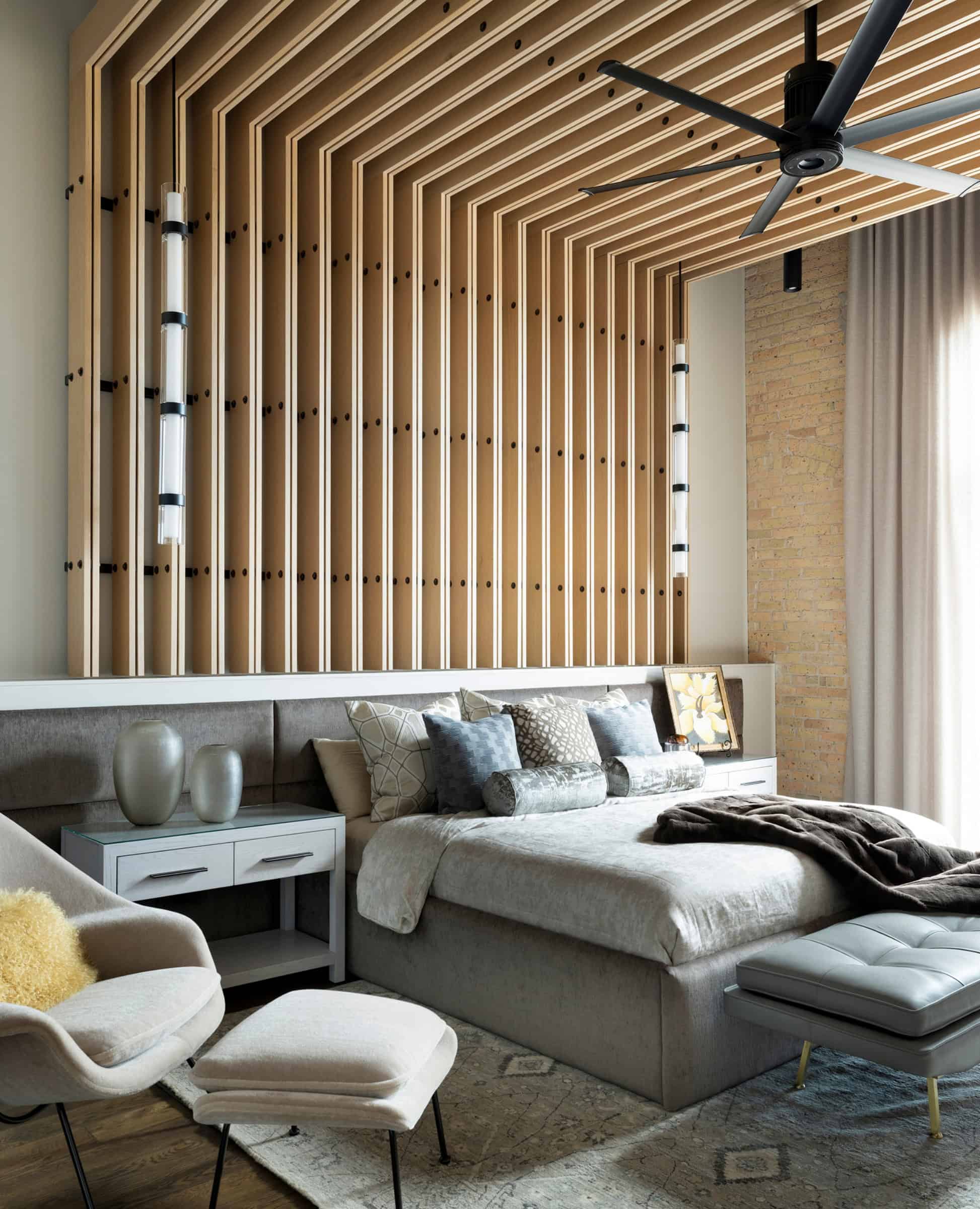
Architecture by PKA Architecture | Build by Streeter | Interior design by MartinPatrick 3 | Photography by Rob Grosse/Spacecrafting
First-growth timber posts, rough-wood ceilings and exposed joists are intentionally left on display in these urban homes. As Albertsson Hansen Architect Todd Hansen emphasizes, “You’re not trying to add a layer of authenticity. It’s quite literally built in.” What other regions attempt to recreate, Midwestern cities already possess: real scale, material weight and palpable history.
Unlike parts of the country where urban and rural life remain clearly divided, the Midwest blurs that boundary. Someone living in a downtown loft or city bungalow probably still visits farmland owned by an older generation or maintains close ties to smaller towns beyond the metro edge. That overlap collapses the distance between city and countryside, giving even the most urban homes a sense of rootedness.
The role of design, then, is to layer warmth onto architectural strength. Berkus describes a freedom particular to Midwestern cities. “We don’t have to design against noise and constant energy, like in Los Angeles or New York City,” he explains. “We get to make homes that welcome people all year round, especially when it’s dark at 4 p.m. and totally silent.” That freedom often expresses itself through vintage and antique elements that feel discovered rather than styled: aged wood, salvaged local ironwork, 19th century hardware.
Architecture by PKA Architecture | Build by Streeter | Interior design by MartinPatrick 3 | Photography by Rob Grosse/Spacecrafting
Fireplaces, in particular, become an emotional fulcrum. In refurbished lofts, Berkus seeks ways to give them a sense of history, lining a firebox with Belgian roof tiles or sourcing a mantel from the same era as the building. “These are touches that align with personal values,” he says, tracing that instinct back to time spent trailing his mother along Hopkins’ Antique Row, absorbing the quiet beauty of repurposing decor and other storied objects.
Midwestern urban homes succeed not by masking their past, but by layering warmth onto it. In our lofts and condos, domestic life settles easily into place, because these spaces were always meant to be functional.
How to Spot it: Industrial bones softened for everyday life: exposed brick, original timber, steel columns and large factory windows. Spaces feel open but grounded, mixing vintage and salvaged elements with domestic comforts like fireplaces and flexible zones. These homes honor what came before them.
Interior design by Prospect Refuge Studio | Photography by Taylor Hall O’Brien
Up-North Cabin
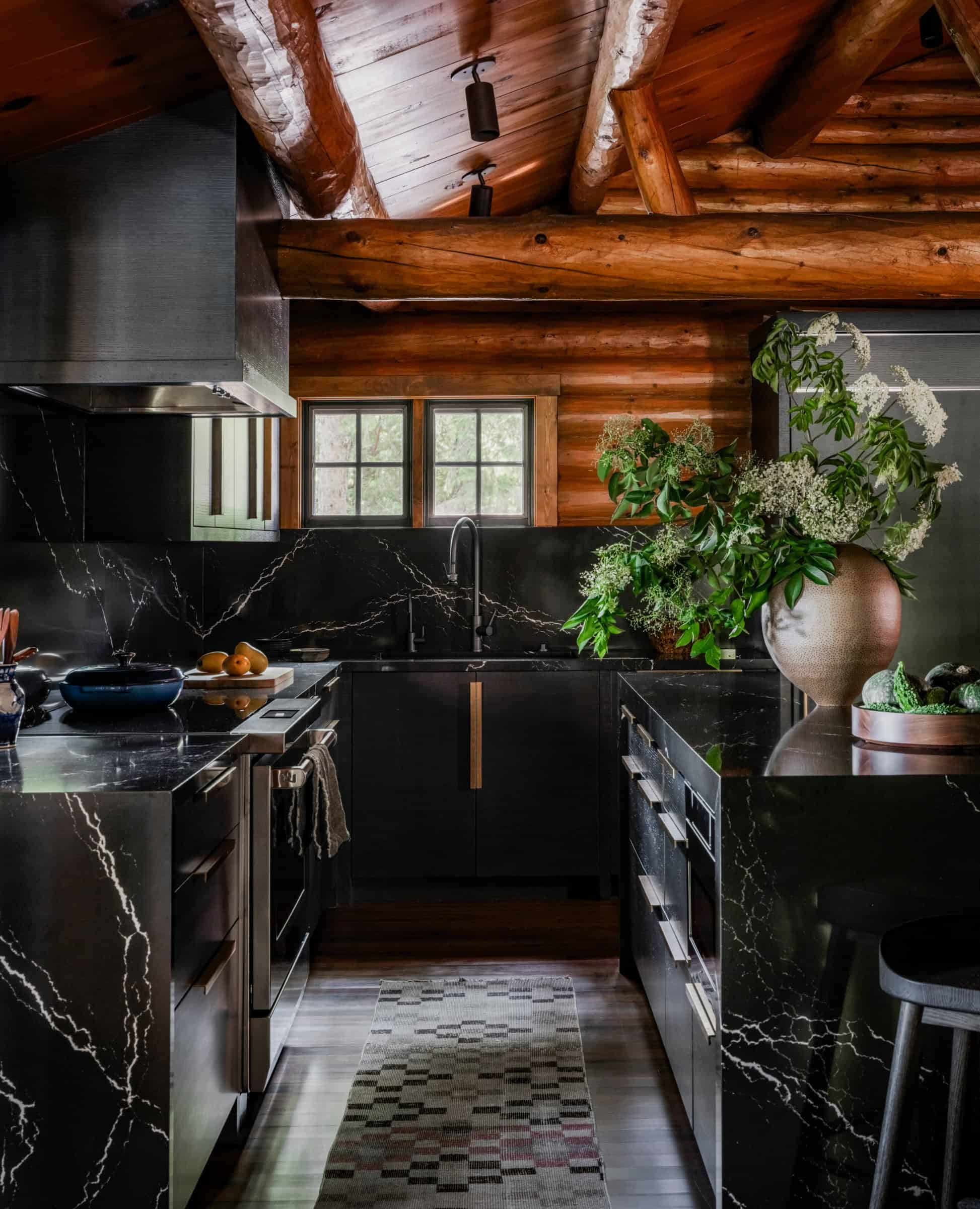
In the Northwoods, the cabin remains sacred ground. “There’s a generosity baked into these places,” reflects Albertsson. “They’re built to hold people.” Often established by elder relatives, then altered, repaired or quietly rebuilt by subsequent generations, cabins are tied less to a single structure than to a specific piece of land. The site carries continuity even if the structure evolves.
That ethic shapes both scale and materiality, beginning with restraint. Up-north cabins tend toward smaller footprints and more straightforward forms out of necessity. They are meant to be heated efficiently, maintained over decades and kept beautiful for the next generation. Gable roofs clad in metal shed snow easily. Screened breezeways soften the threshold between inside and out, while extending the season.
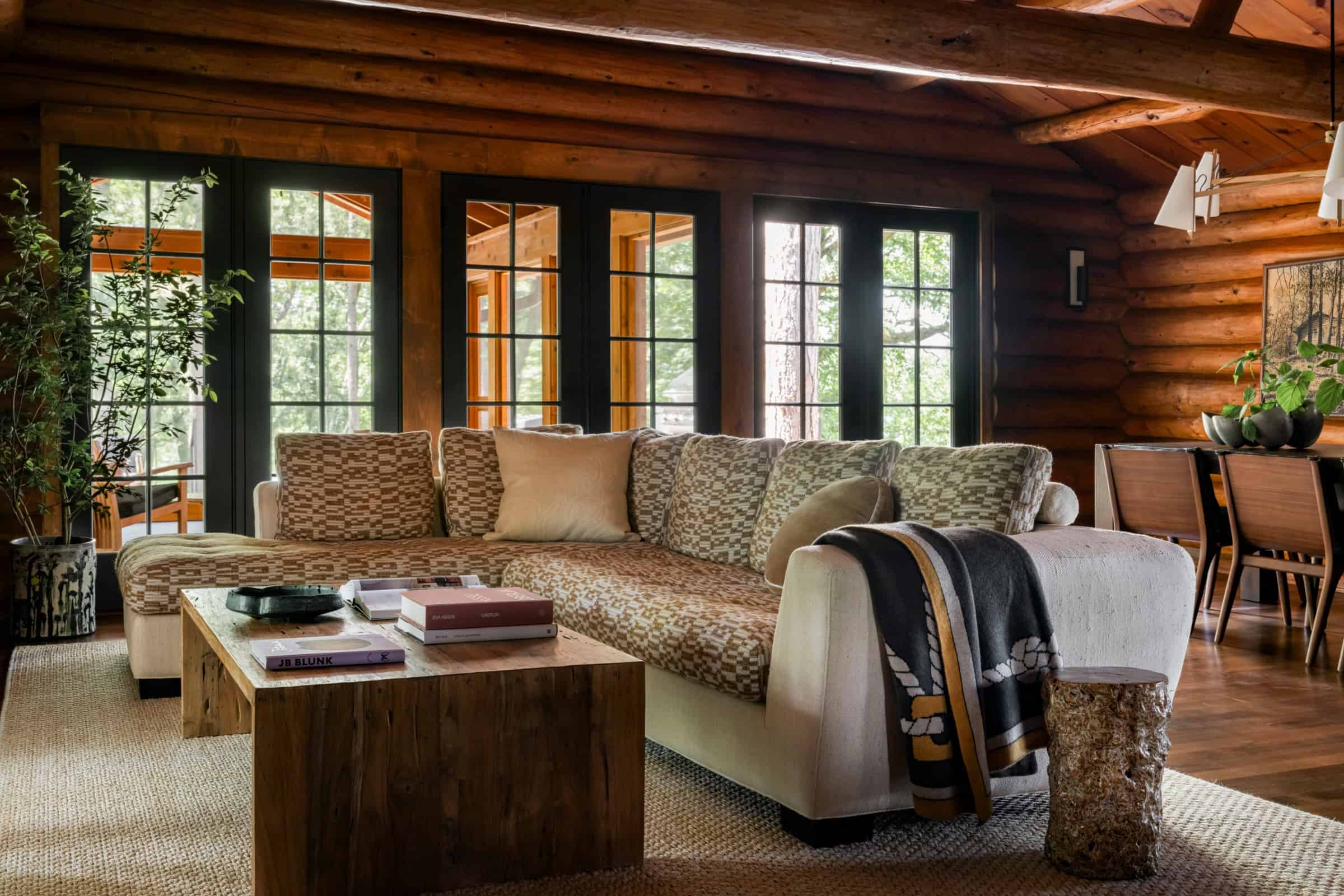
In older cabins, the wood was rarely finished beyond what was required to protect it. Today, that same restraint is preserved by choice. It reflects a belief that materials should age honestly, showing wear. Exposed wood is a given, especially on ceilings, where knotty pine, ash and other local species appear unapologetically, sometimes sporting live-edge details. When cabins lean more contemporary, exterior siding stays close to that ethos — board-and-batten or lap siding, rendered in low-key, recessive colors that allow the building to settle quietly into the woods rather than announcing itself.
Interior design by Prospect Refuge Studio | Photography by Taylor Hall O’Brien
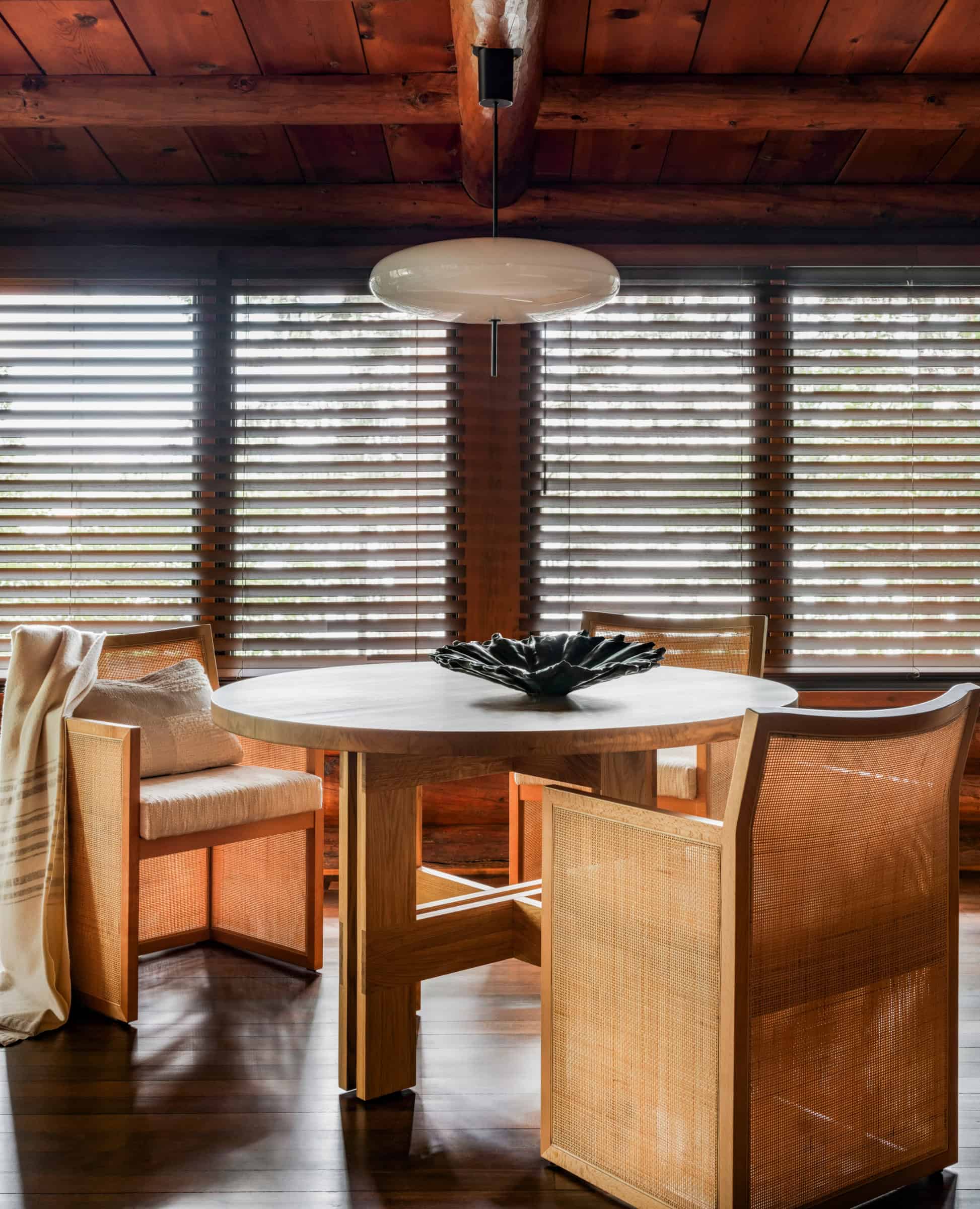
If there’s a shared material language across the region, it’s wood — used honestly, often reverently. “As someone who came here from New England, I found the fascination with unpainted wood surprising,” says Albertsson. “Clients will talk about stripping millwork like they’re doing archaeology, hoping to uncover a treasure.” In Scandinavia, where she spent many childhood summers, exposed wood is simply standard. In the Midwest, it carries mythology. Grain becomes story. Pine, birch, ash, maple and white oak are chosen for how they age, not how they photograph. “There’s a belief in integrity,” Albertsson adds. “People trust materials that tell the truth.”
Layouts reflect a looser, more improvised flow than we see in lake homes. Up-north cabins are organized less around programmed rooms than shared space. Sleeping happens wherever it can — on bunks, pullouts or beds tucked into corners — while rooms shift roles throughout the day. The design goal isn’t adaptability, but availability: The cabin remains open to family arriving earlier than planned, staying longer than expected or bringing one more person along.
Interior design by Prospect Refuge Studio | Photography by Taylor Hall O’Brien
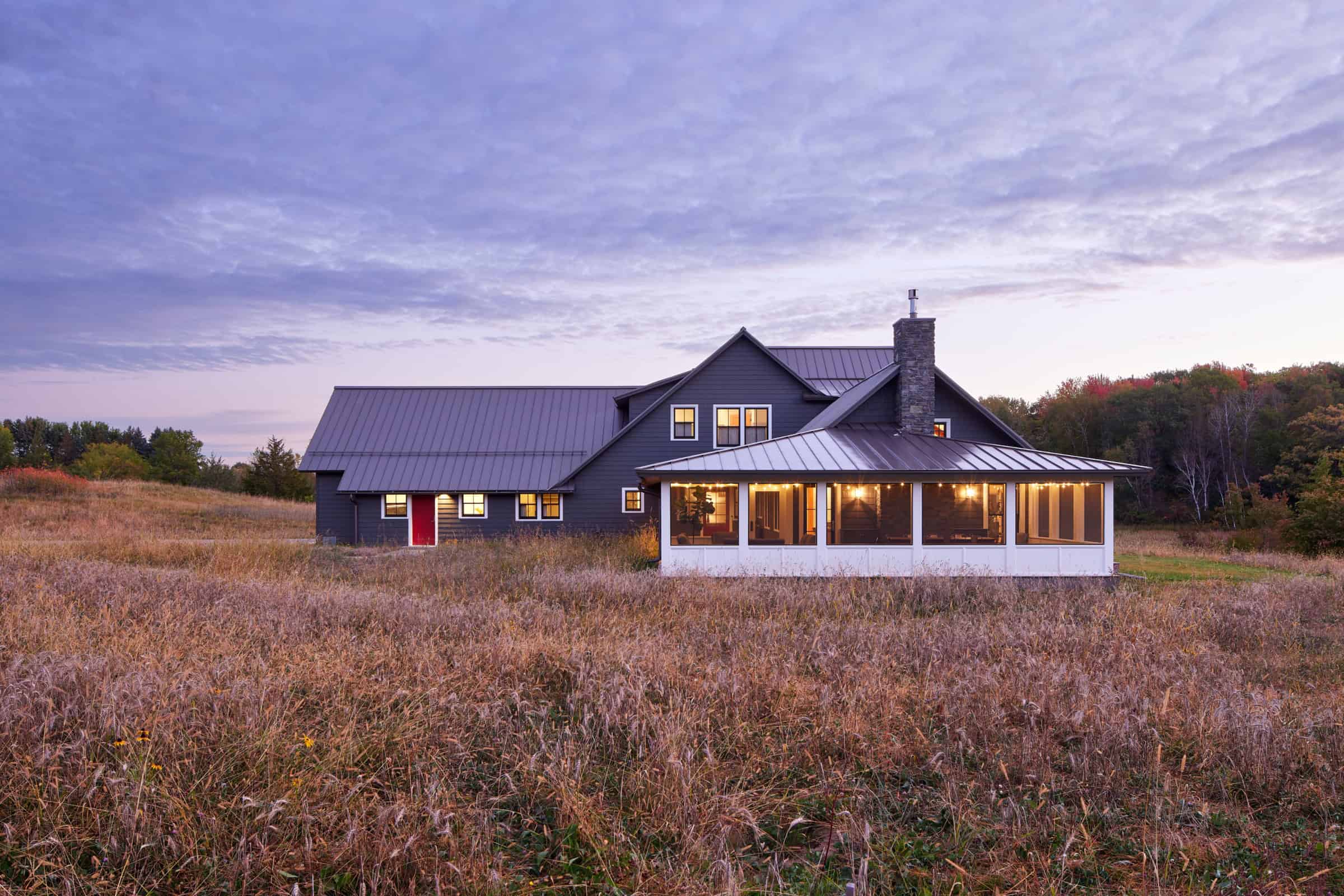
But what ultimately defines the up-north cabin is the screened porch. It functions as a living room in every sense of the word. “In some ways, it’s the whole reason you go up north,” says Hansen. This is where the line between inside and outside is deliberately thinned, often through quiet technical decisions. Screens are placed outside the window pane, unlike casement windows common in other parts of the country, where screens sit inside. The glass swings outward, leaving nothing but open air between the room and the landscape. When windows are open, the screen stays at the edge to keep bugs out without interrupting the experience of being fully connected to the outdoors.
Protected just enough to stay comfortable — but open enough to feel immersed — the screened porch becomes the emotional core of the cabin, embodying the northerly instinct to live as close to the land as possible, without losing ease. Ultimately, the up-north cabin isn’t defined by style but by access. It remains open to weather, to people, to time. It’s the setting for a shared experience with nature and with one another.
How to Spot it: Compact, straightforward and built to last. Wood everywhere, often unfinished, aging honestly over time. Spaces are shared and flexible — beds tucked where they fit, doors always open. The screened porch is at the heart of it all, blurring inside and out, and stretching summer just a little longer.
Architecture + Interior design by Albertsson Hansen Architecture | Photography by Canary Grey
Prairie Modern
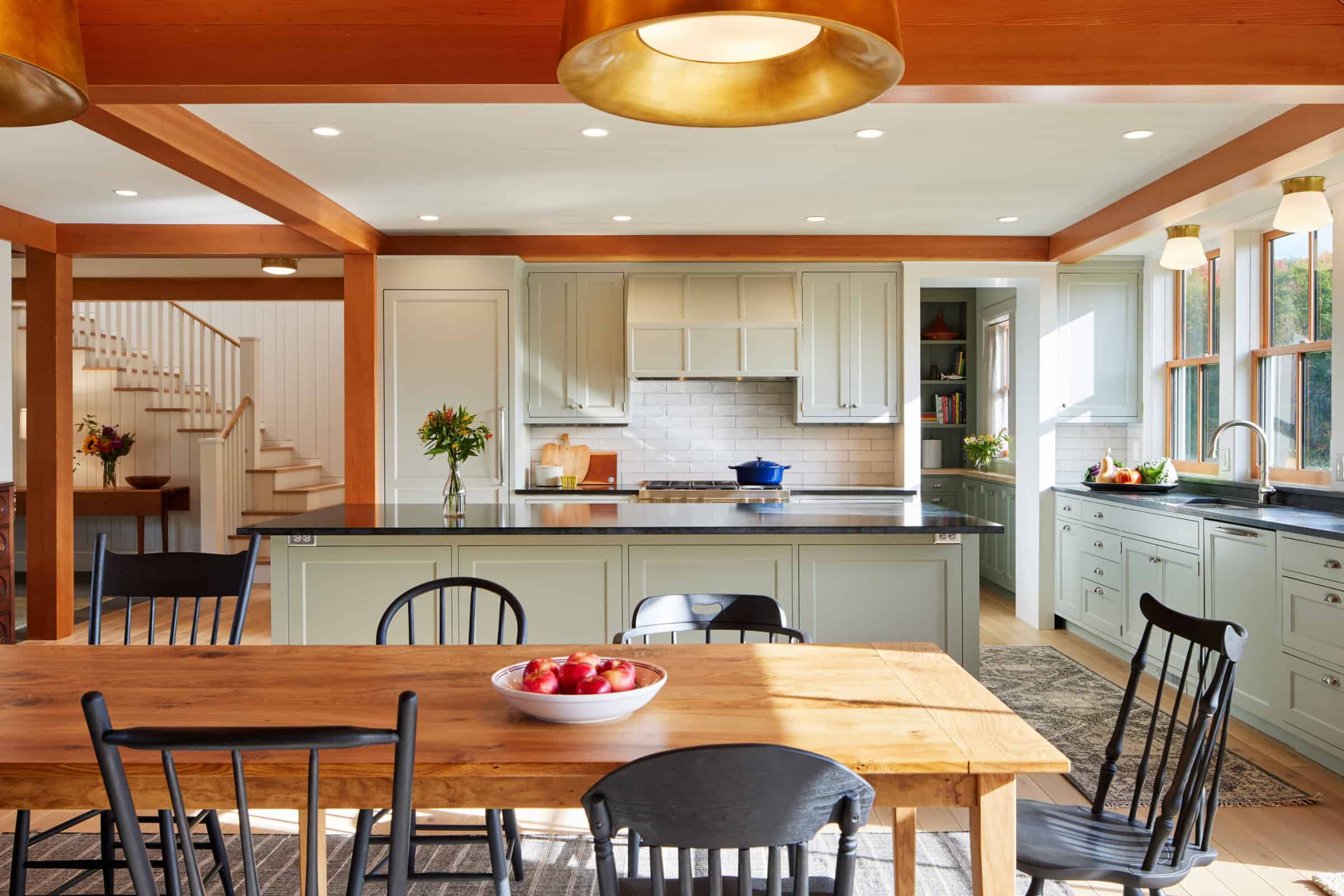
The Prairie modern was born out of Frank Lloyd Wright’s design sensibilities. The Midwest served as the famed architect’s home ground, and even when his influence isn’t explicit, it’s ambient. Wright’s ideas shaped how people here expect to live: windows that gang together to chase the horizon line, floor plans that prioritize flow over formality, and an insistence on layering indoor and outdoor experiences so seamlessly that we forget where one ends and the other begins. These principles have become our collective cultural muscle memory.
These homes, peppered across prairies and plains, stretch outward rather than upward as a direct response to landscape and climate. Low, elongated forms sit more comfortably beneath wide horizons and big skies. Rooflines stay deliberately low, with deep overhangs that temper intense summer sun, block prevailing winds and extend usable outdoor space. Layered planes create moments of enclosure, sometimes in the form of courtyards, so openness never comes at the expense of shelter. Stone anchors these structures firmly to the earth, while warm wood softens the architecture.
Architecture + Interior design by Albertsson Hansen Architecture | Photography by Canary Grey
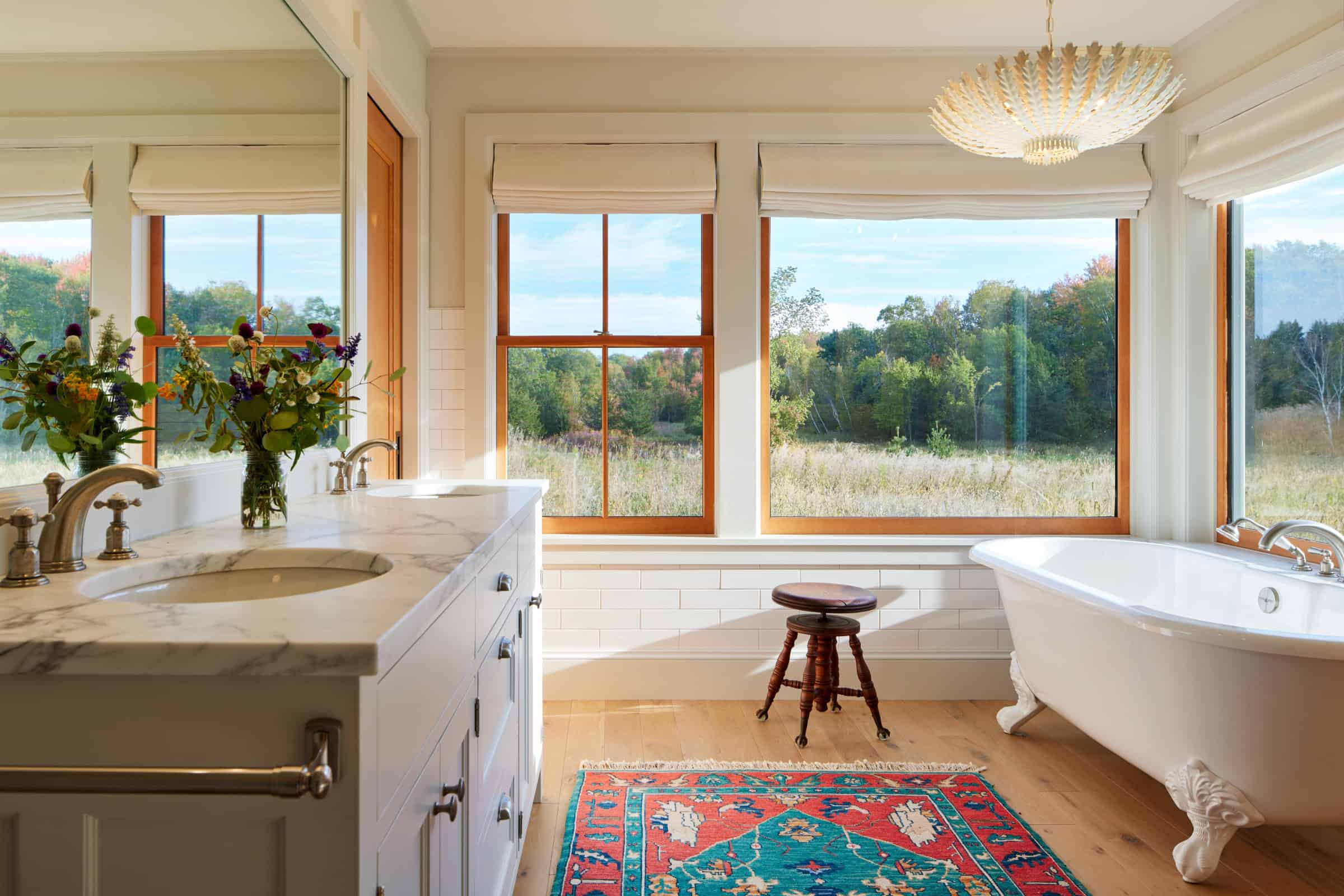
Inside, earthy tones, natural materials and handmade tile set a quietly confident palette. “The Midwest has an amazing and deep-rooted community of craftspeople, artists, woodworkers, painters, potters and weavers that brings a tremendous amount of design,” says Berkus. When that’s married with architectural integrity and building prowess, it’s practical(ity) magic. Millwork takes center stage, often in the form of long, low built-ins and integrated seating. Even in the 1990s, when the rest of the country was deep into painting wood and wood trim, Midwesterners maintained its integrity. “Minnesotans are allergic to trend,” says Sass. “There’s a sense that we’re responsible for our homes, and we expect to pass them on.”
The layout reveals itself gradually, rewarding movement rather than presenting itself all at once. Public spaces flow together with intention, while private wings peel off just enough to offer refuge. Sightlines matter deeply — especially the axial alignment of the fireplace, dining area and landscape — creating a daily rhythm.
Architecture + Interior design by Albertsson Hansen Architecture | Photography by Canary Grey
And then there’s the mudroom, which is absolutely essential, as Albertsson explains. “Even in an environment with extreme weather, we have a culture of being outside,” she says. The mudroom absorbs the tension between Midwestern practicality and our persistent urge to step out into the world — an act that means a thousand things at once. With tall ceilings, high transom windows, durable finishes, and room for boots, dogs and the evidence of daily movement, the modern mudroom evolves beyond utility. Albertsson is inspired by the traditional Scottish versions — spaces that function as hybrid conservatories and garden rooms that welcome light, pause and reentry. It becomes less about mud and more about life.
Prairie modern homes express Midwestern confidence at its quietest. Anchored to land, shaped by climate and built to outlast trends, they reflect our region’s unspoken agreement: that belonging should feel ordinary, and, at the same time, deeply earned.
How to Spot it: Long, low lines that follow the land rather than fight it. Deep overhangs, strong horizontals and warm, natural materials create shelter without heaviness. Inside, rooms unfold gradually, with custom millwork, built-ins and clear views to the outside. These homes feel grounded, confident and made to last.