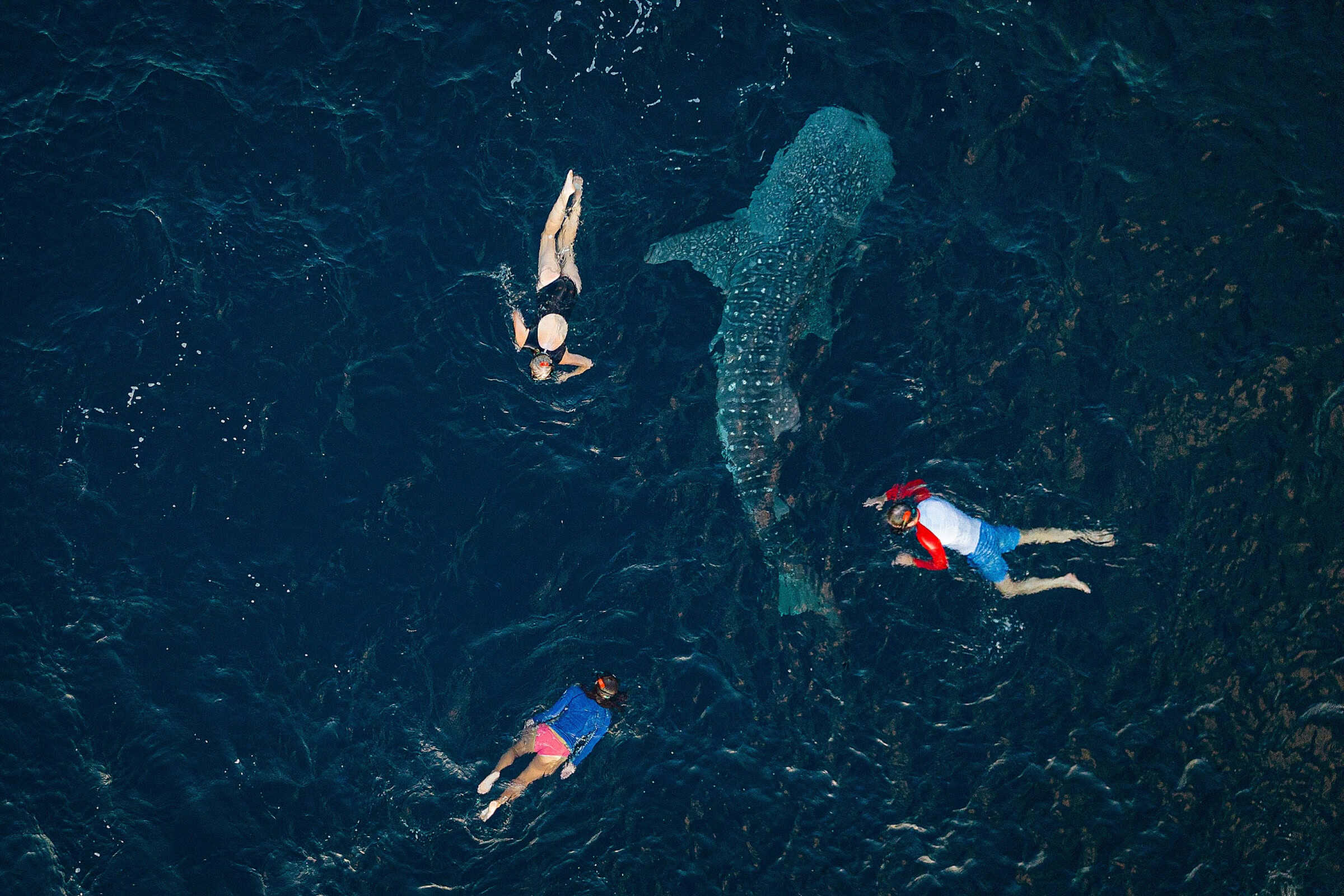
I slide into the Mexican Caribbean’s warm, glass-clear water and, within moments, an unmistakable shape materializes below. A sense of calm comes over me as I float in the gentle swell, several silky sharks circling at a respectful distance. Between breaths through my snorkel, I hear my guides — former shark fishers — explaining the animals’ behavior.
Photography provided by Aqua Expeditions
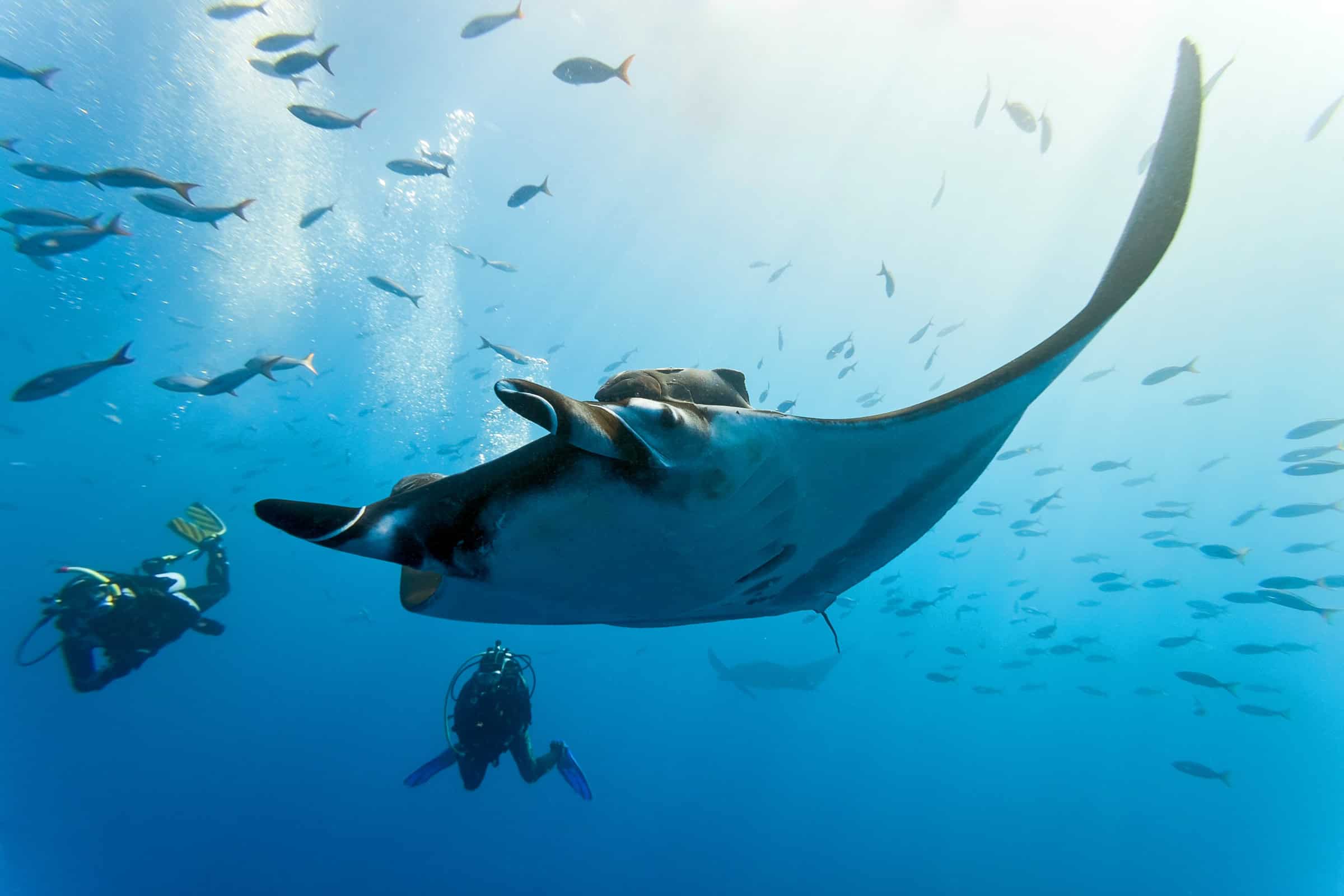
Wild encounters like this shark safari, created by Saving Our Sharks Foundation in partnership with Impression Isla Mujeres, were once the domain of “live-aboard” divers or intrepid explorers. Now, they’re at the heart of a fast-growing travel trend: marine safaris. From swimming with manta rays in the Maldives to tracking whale sharks in Western Australia, these guided, wildlife-focused excursions offer the same sense of discovery as traditional safaris, but with fewer crowds and higher-octane adventure.
“We have clients who will do a land-based safari and get the wildlife bug,” says Carolyn Addison, head of product at luxury travel company Black Tomato. “Marine safaris appeal to affluent travelers who want to do something more active than sitting in a jeep.”
To quench the thirst of today’s adventure-seeking travelers, high-end outfitters are offering impressively immersive nature itineraries. Black Tomato’s bookings to the Galápagos — one of its top ocean destinations — rose 35% from 2024 to 2025. The surge reflects a broader shift toward “soft” adventure: outdoor travel that prioritizes high-end accommodations and amenities.
Photography provided by Aqua Expeditions
“Marine safaris have evolved far beyond being a niche for divers,” says Claudine Daigneault, head of marketing and communications for Scubaspa, a live-aboard brand that combines bucket list–worthy diving with holistic wellness programming. “People want to explore the world in a deeper way, without sacrificing quality.”
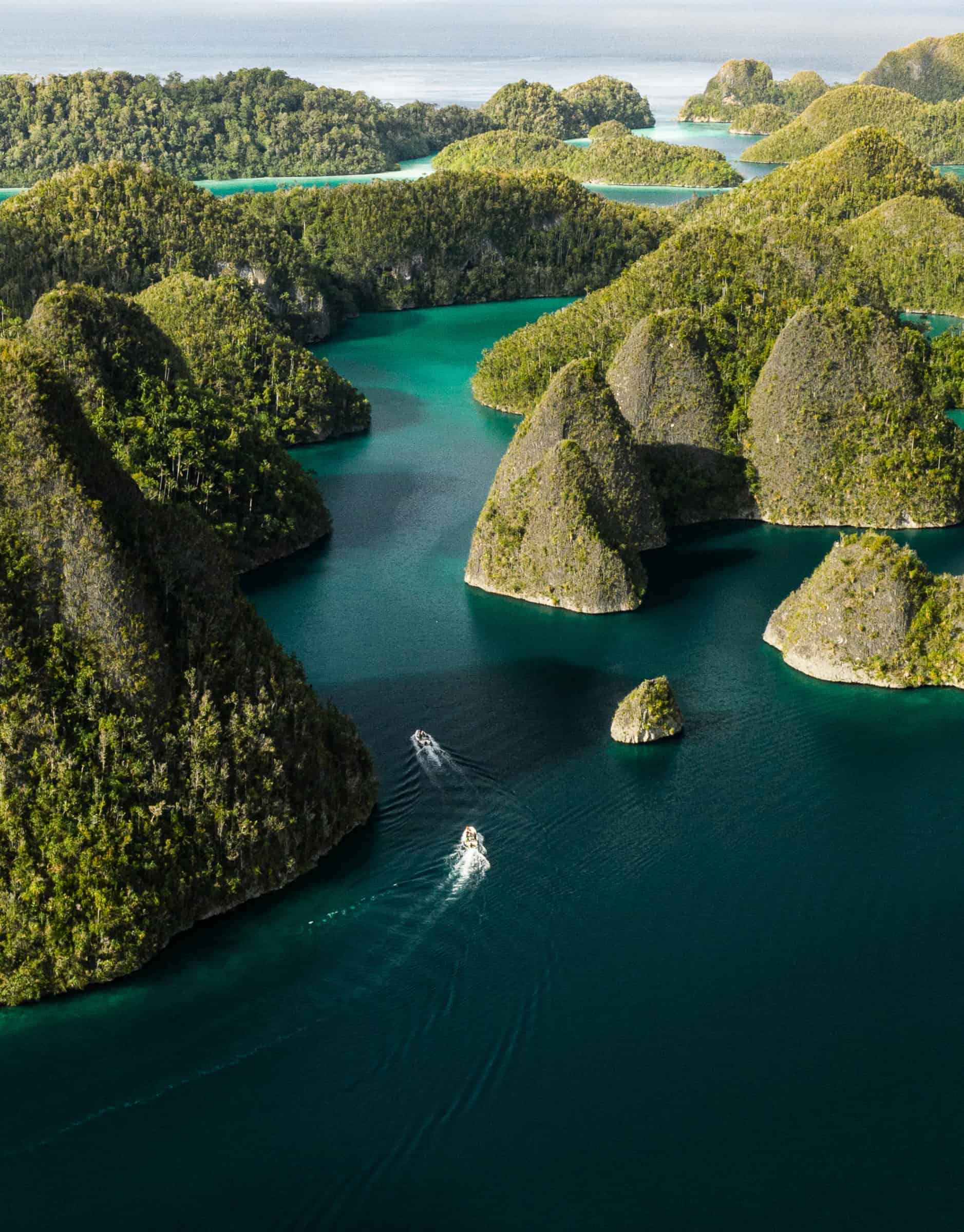
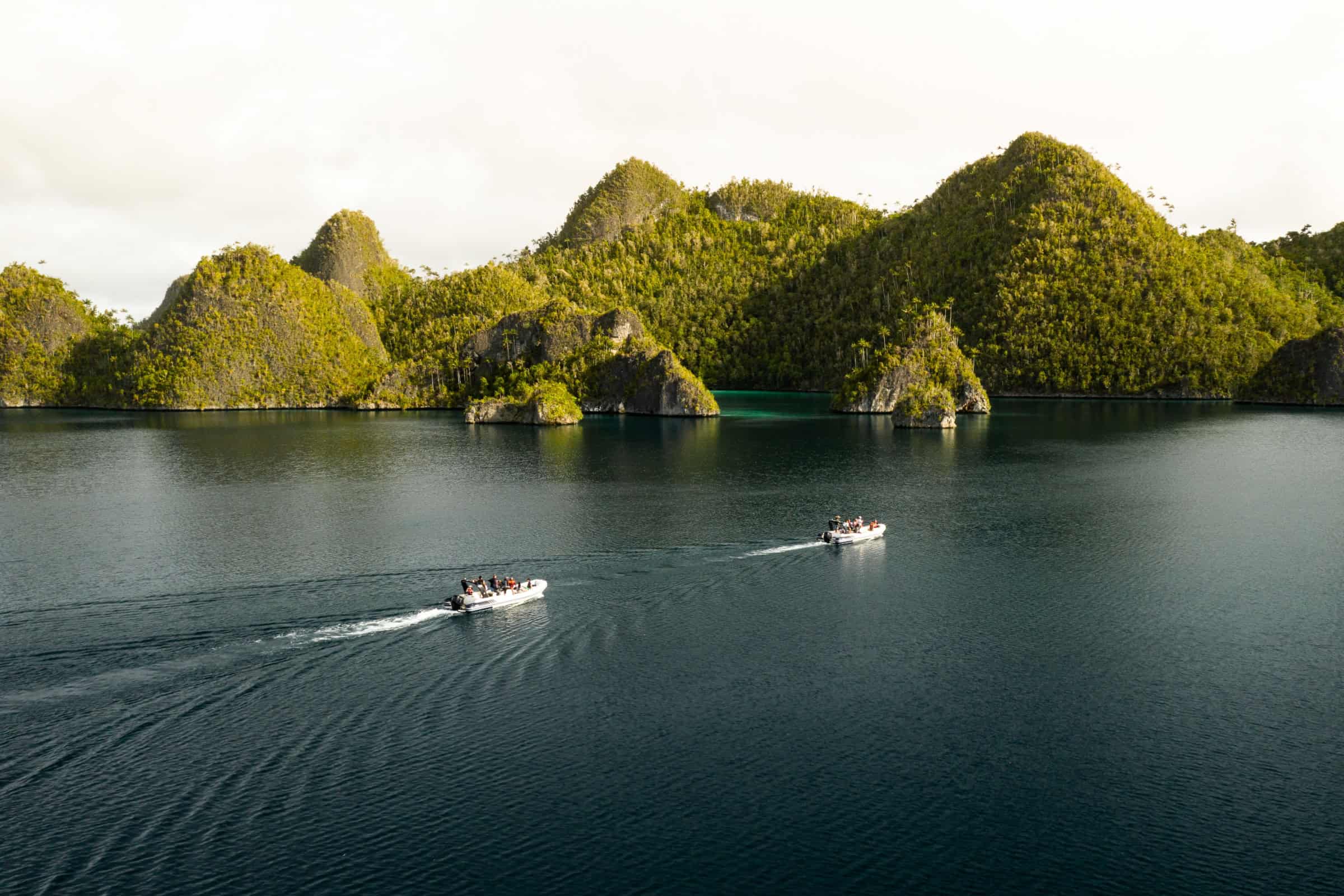
Luxury operators have responded to this meaningful uptick in demand. A rise in small-ship cruising and intimate lodges on uninhabited islands — think Islas Secas in Panama or Blue Safari in the Seychelles — has made far-flung marine environments more accessible. For instance, aboard Aqua Expeditions’ fleet of superyachts, guests navigate shallow reefs, winding mangroves and isolated archipelagos in destinations like West Papua, Indonesia and Mafia Island, Tanzania. These adventures let travelers sail to areas larger ships can’t reach, allowing for up-close encounters with migrating whales and other sea animals.
“There’s an innate spirit of adventure in everything we do,” says Aqua Expeditions founder and CEO Francesco Galli Zugaro. “On Aqua Lares in the Seychelles, I take people to the inner lagoon of Aldabra to snorkel with reef sharks and turtles. Our guests get a private yacht experience without having to drop $250,000 for the week.”
Photography provided by Scuba Maldives
An indulgence for even the most discerning travelers, marine safaris offer an intimate experience that feels more bespoke than group tours. A planned snorkeling stop might stretch into an afternoon if weather conditions are ideal; a sandbank can become the setting for an impromptu dinner. Flexibility and exclusivity define the journey. “For clients interested in experiential travel, privacy is much more important than the bells and whistles of a luxury hotel,” Addison adds.
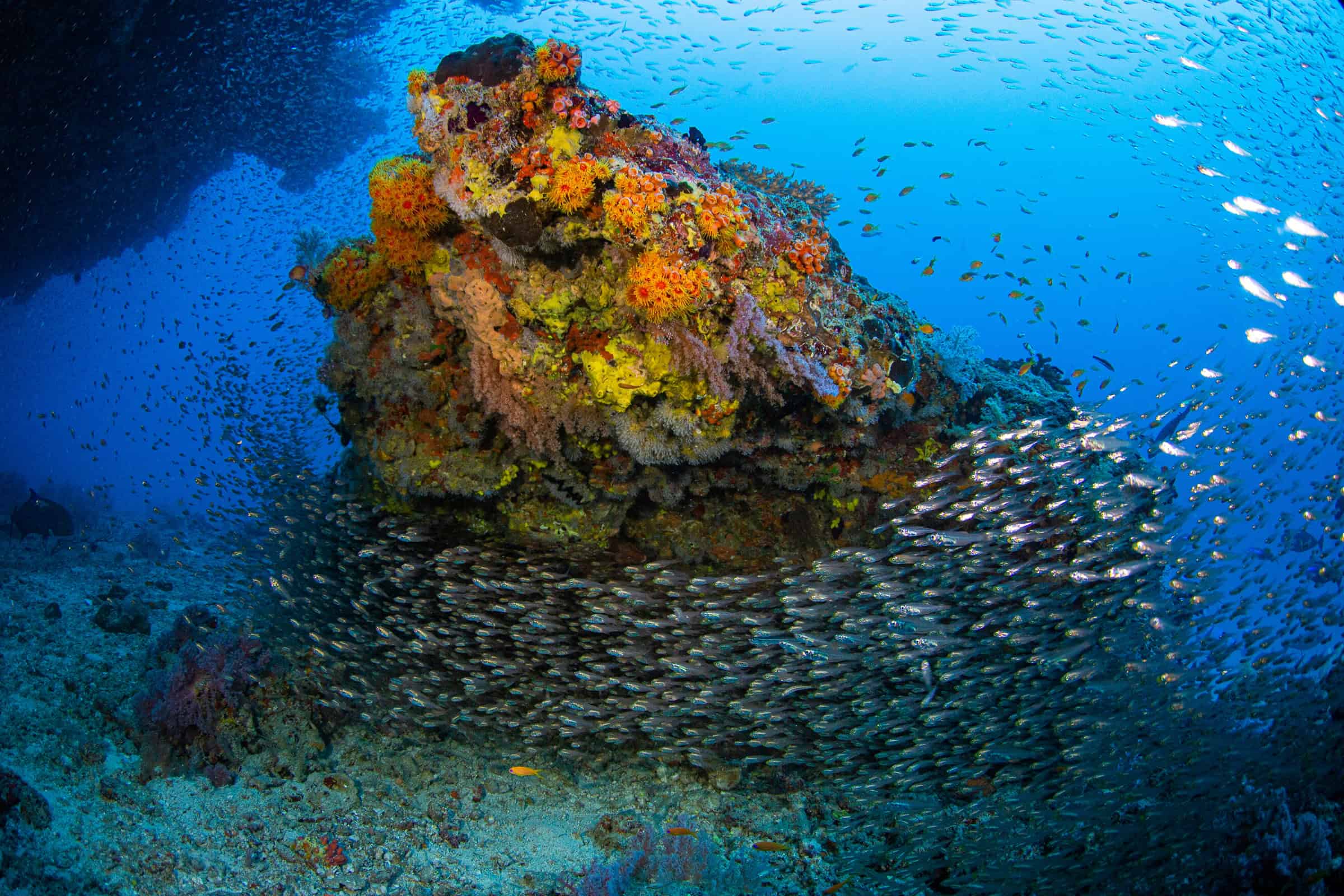
The best marine safaris are as educational as they are awe-inspiring, pairing thrilling wildlife encounters with a deeper understanding of the ocean’s fragile ecosystems. Increasingly, these journeys are led by expert teams who interpret what’s happening in real time, such as assessing dolphin and penguin behavior.
“Our guests want to participate, not just observe,” says Lindblad Expeditions CEO Natalya Leahy. “With naturalists, scientists and undersea specialists alongside them, guests gain a deeper understanding of what they are experiencing and why it matters.”
Photography provided by Aqua Expeditions
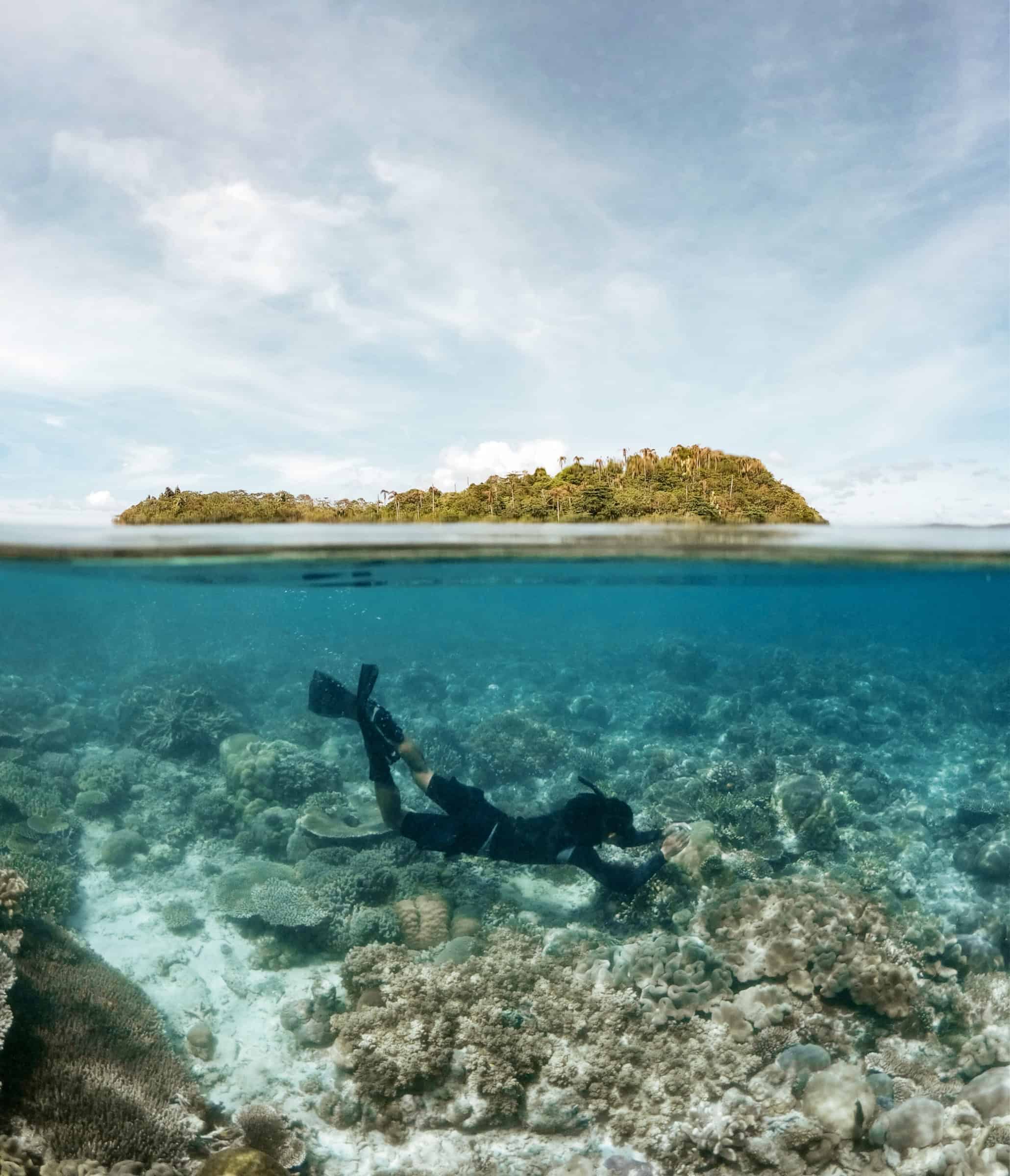
Fittingly, many itineraries weave in hands-on conservation initiatives like coral reef restoration and citizen science projects. Adventurers can help identify endangered manta rays at Kokomo Private Island Fiji or plant seagrass to protect dugongs in Thailand. In some cases, tourism directly supports ongoing research and conservation efforts, reinforcing a model where travel helps protect what it showcases.
“Marine safaris should be a bridge between luxury travel and active conservation,” says Christophe Adam, general manager of the Brando in French Polynesia, which runs its activities in partnership with the environmental nonprofit Tetiaroa Society. “At the Brando, marine experiences are not separate from science; they are integrated into it.”
So, with inspiring underwater adventures aplenty, where should the daring voyager go first? Today’s most sought-after destinations, from the Coral Triangle to the coast of East Africa, share an under-the-radar appeal. “All of our cruises go to biodiversity hot spots, like the Galápagos, Raja Ampat in Indonesia and the Tonlé Sap Biosphere Reserve in Cambodia,” says Zugaro. “We look for destinations with a sense of purpose and unique flora and fauna.”
Photography provided by Aqua Expeditions
Many top ocean resorts, including Lizard Island on the Great Barrier Reef and Azura Boutique Retreats in Mozambique’s Bazaruto Archipelago, lie within marine protected areas, where regulations safeguard biodiversity and encourage responsible wildlife encounters. According to Addison, a low-impact approach is essential for guests: A smaller footprint promotes more natural animal behavior, healthier ecosystems and a better experience for all.
Back in the water, as I snorkel among the curious baby sharks, what lingers most isn’t the excitement of my encounter, but a shift in my perspective. Marine safaris offer more than access to wildlife; they reframe how we see the ocean itself. In a world where wild places are increasingly fragile, these journeys invite travelers to engage more thoughtfully, proving that adventure and stewardship can — and ultimately must — go hand in hand.