Photography provided by Vujovich Design Build
There’s something captivating about a truly welcoming room. Enveloping color. Rich textures. Pattern set against pattern. The spaces that draw us in often feel as though they have a story to tell, and that feeling rarely comes from one element alone. The magic is in how the layers come together.
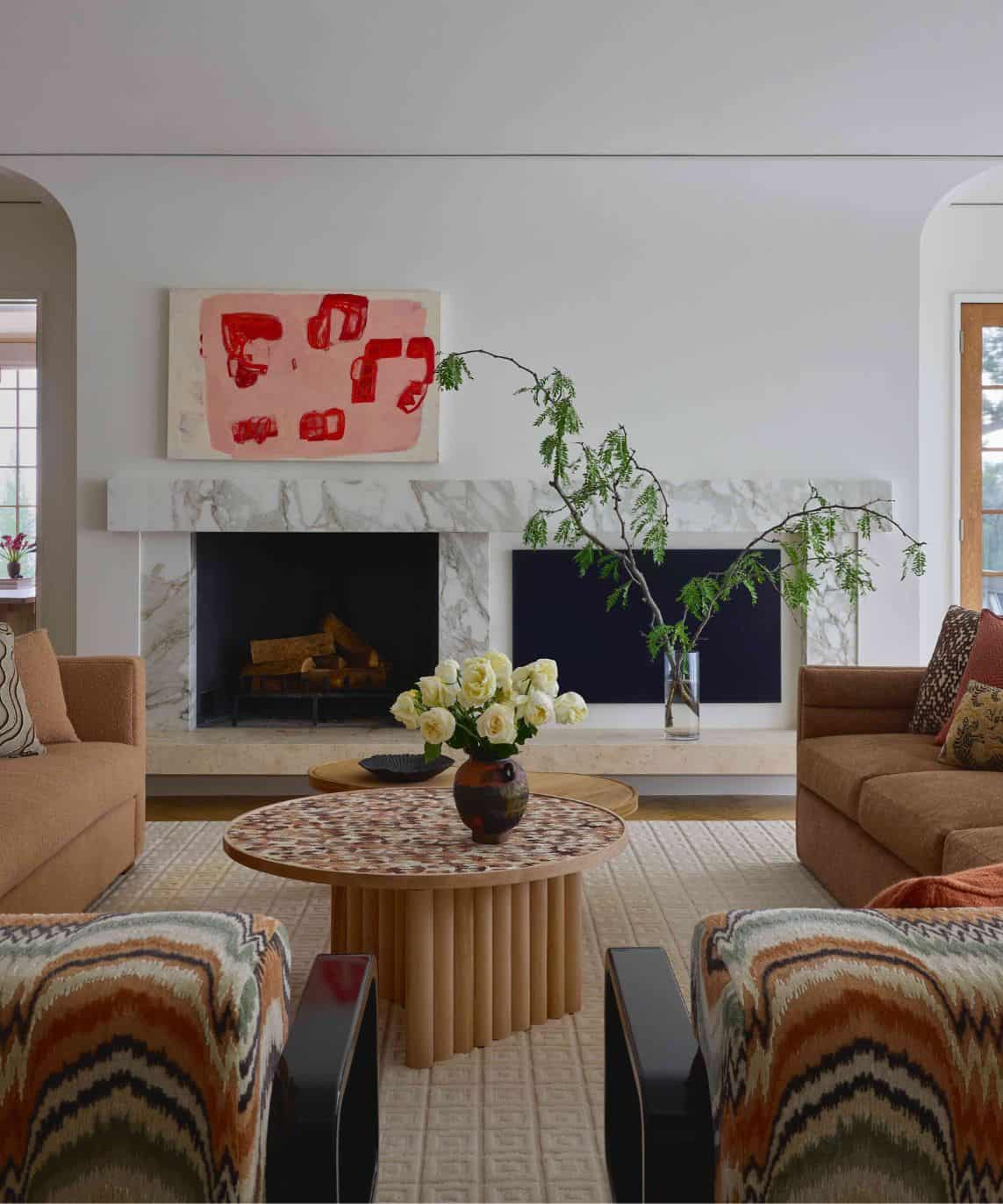
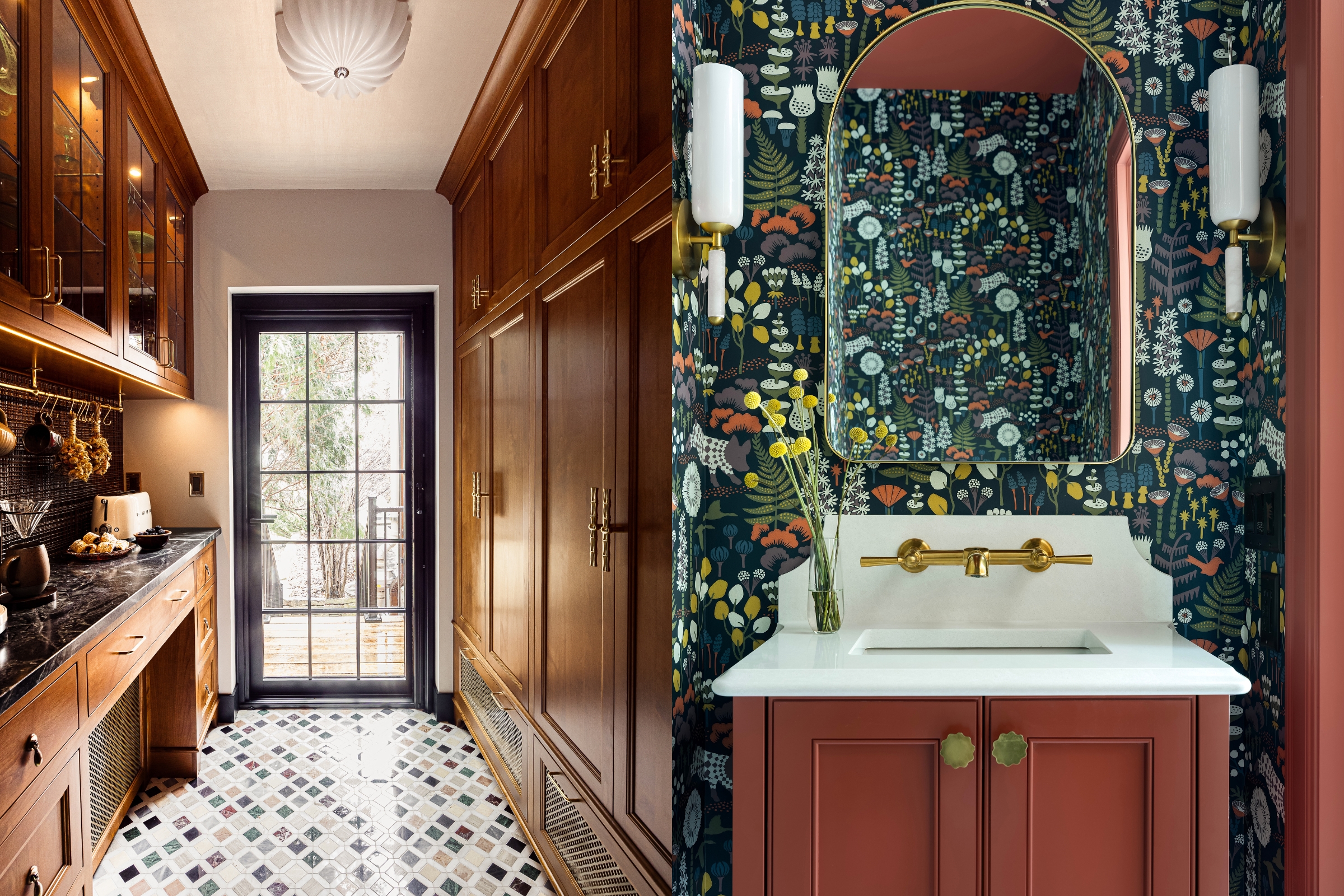
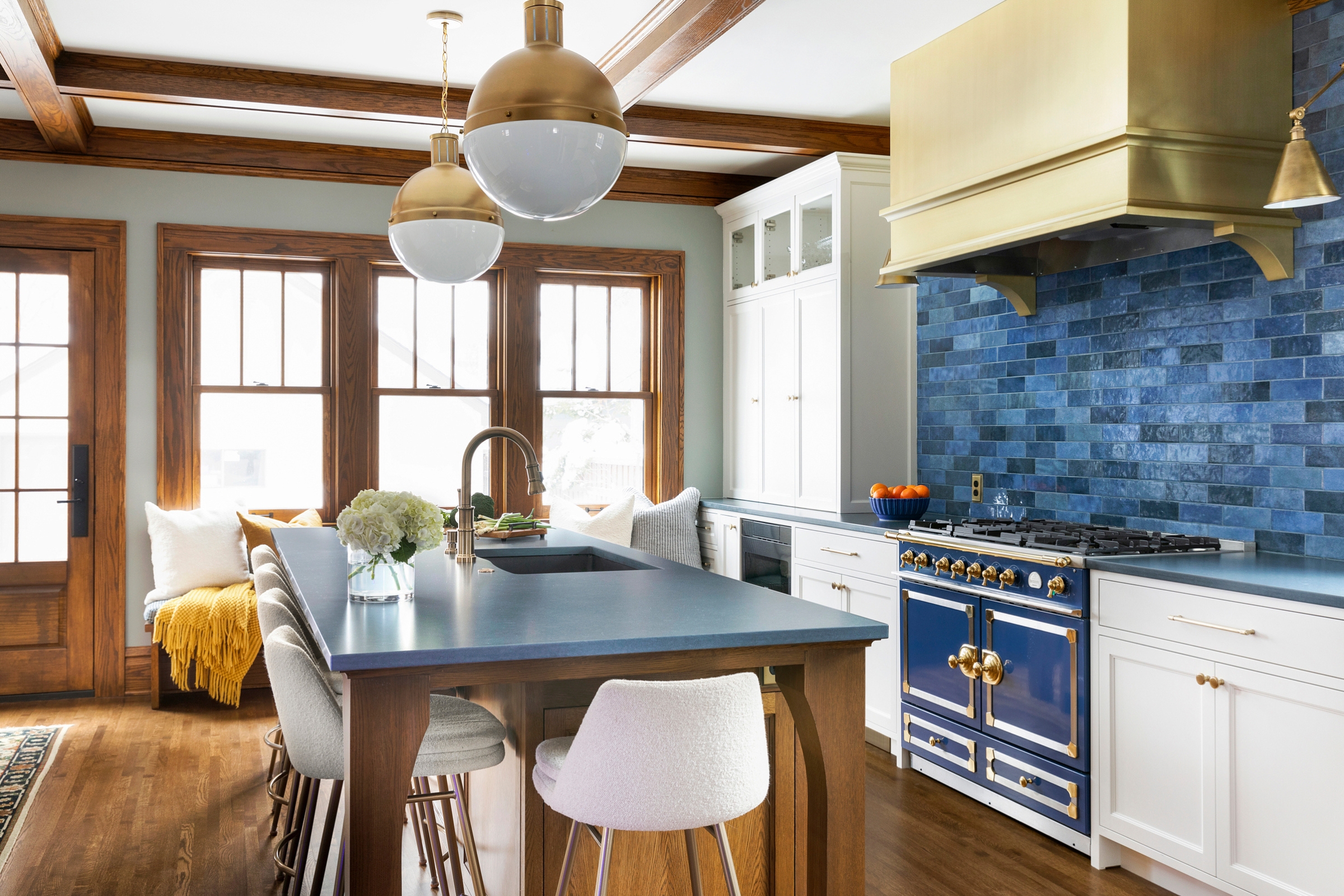
Vujovich Design Build begins each project by looking to the home itself for inspiration. Its architecture, history, materials and natural surroundings all inform the design story and, from there, the team introduces details that repeat, reinterpret or intentionally contrast with what is already present. A color discovered in a historic tile might reappear in a textile. An architectural shape could inspire a custom detail. A wood tone may travel from cabinetry to furnishings, creating a subtle thread throughout the room.
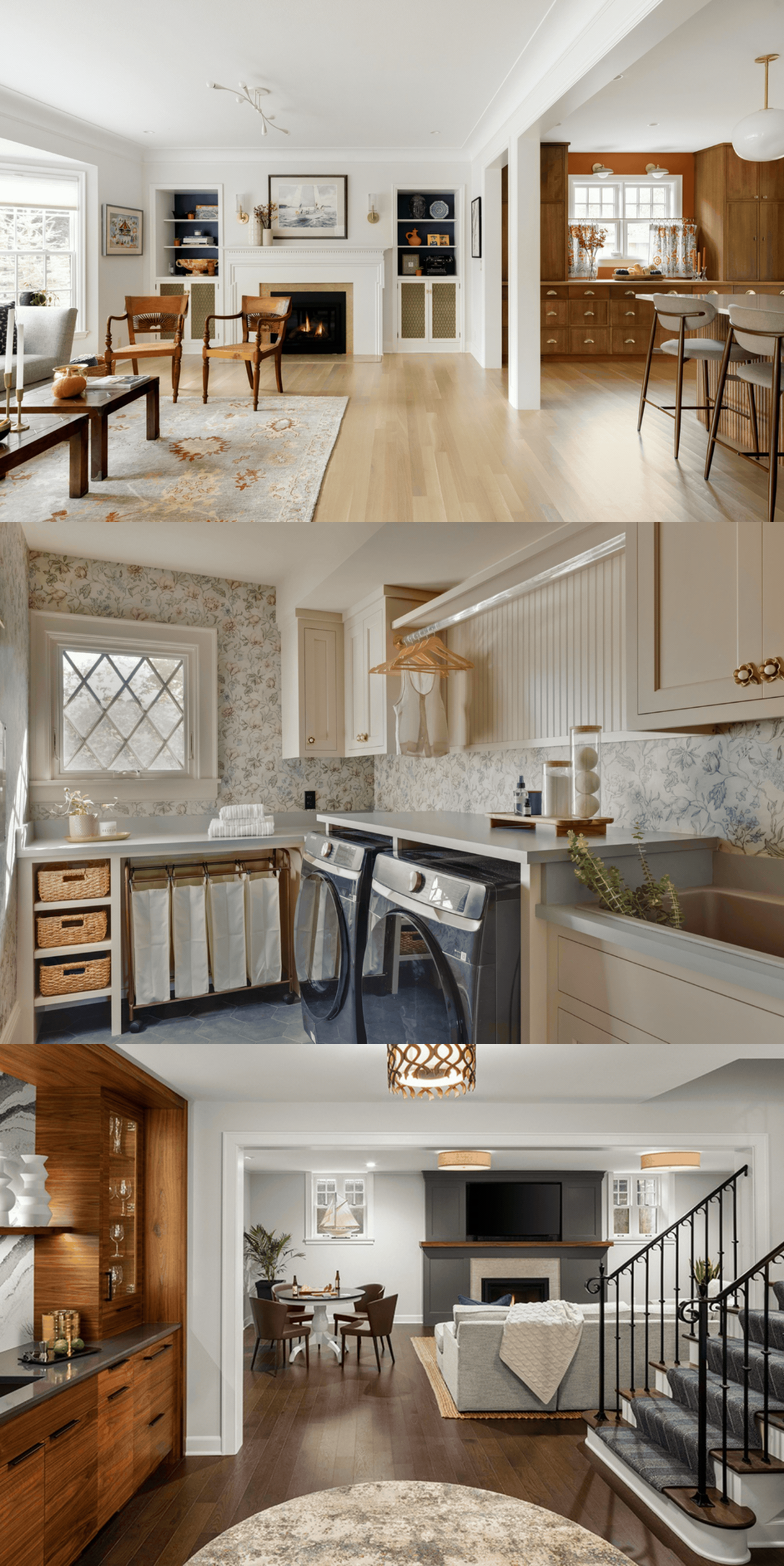
Pattern and texture add depth in a similar way. Wallpaper can become the backdrop for tactile upholstery. Richly grained wood can balance soft linen. A vintage-inspired rug can ground contemporary furnishings. Each element has its own presence, but together they create a room that feels considered rather than coordinated.
“No matter what trend is having a moment, the principles behind a design are anything but fleeting,” says Christina Rymer, senior design director at Vujovich Design Build. “Depth, contrast, repetition and texture are what give a room dimension and help it feel personal.”
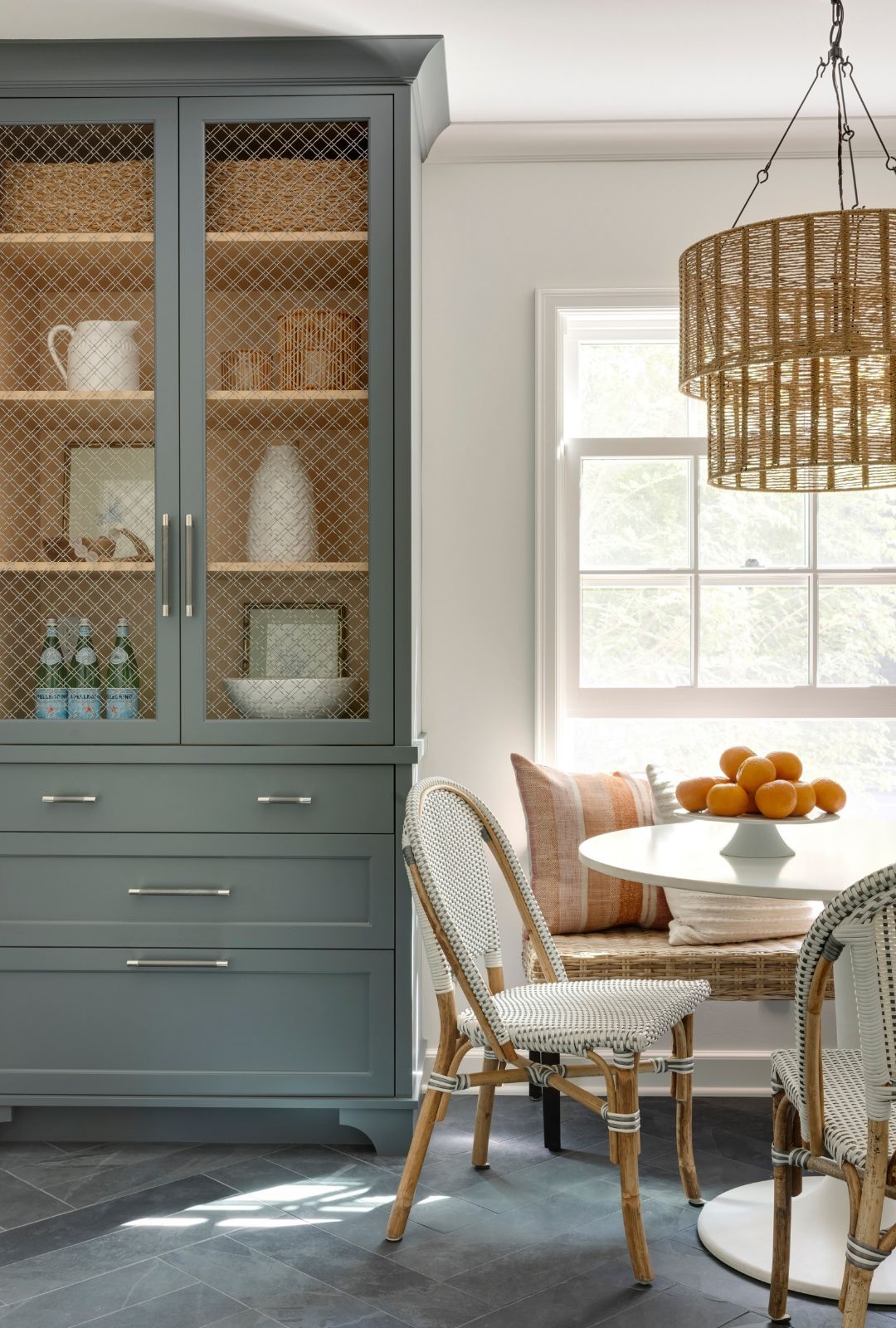
In a newer home, there may be fewer established architectural cues to draw from, which presents an opportunity to introduce thoughtful character and offer the home a stronger sense of identity from the beginning. This is where an integrated design-build approach becomes especially valuable. When architectural design, construction, interiors and furnishings are considered together from the start of a project, individual decisions can support one another. Millwork can be designed with furniture placement in mind. Lighting can support art and architectural details. Finishes can establish connections between rooms. Materials, colors and forms can create a natural sense of harmony from one room into the next.
“Good design isn’t about finding one perfect element; it’s about creating a dialogue between many,” explains Sydney Benik, design director at Vujovich Design Build. “When every texture, pattern, material and detail has been thoughtfully considered, the room feels cohesive, intentional and ultimately like it belongs together.” The result is more than a collection of beautiful things in one space. It’s a home in which the architecture, materials, furnishings and personal details share a common language, creating rooms that feel collected, comfortable and entirely their own.