Modern wellness culture is a practice of addition: headphones to block out noise, watches to track our steps, rings to tell us how tired we are, apps to remind us to put down our phones. But what if, in actuality, well-being has less to do with what we add and more to do with what we subtract?
Silence has never been more coveted. These days, it’s something we’re willing to pay for. So much so that 65% of travelers seek out experiences that calm the body and reset the nervous system, according to Hilton research.
In chasing silence, however, we may have misunderstood what actually restores us. Rooms that remove sound completely can feel so disorienting that few people last long in them. A walk in nature, by contrast, is full of sound yet leaves us feeling renewed. Perhaps silence isn’t something we hear so much as something we experience.
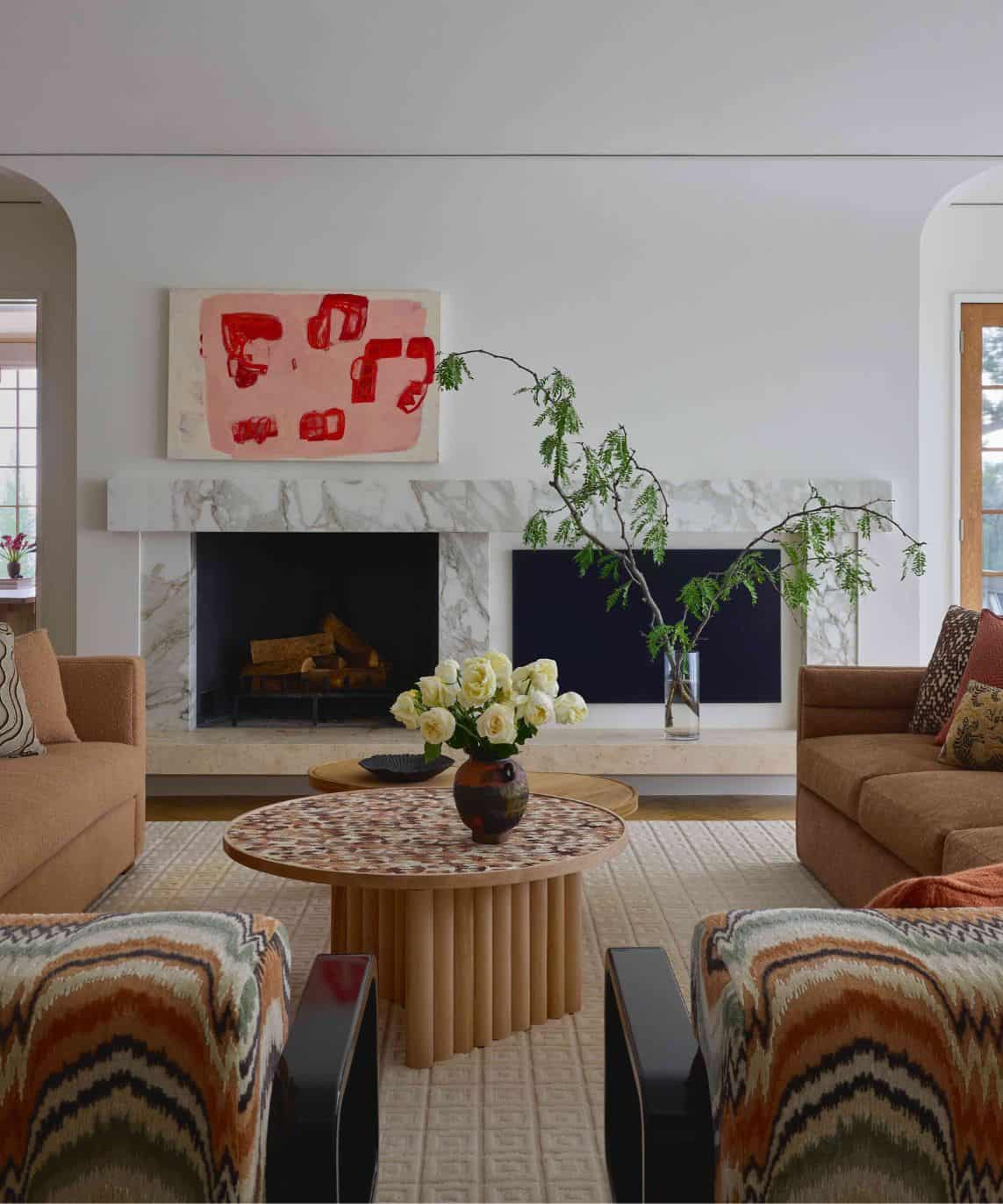
“To me, silence is a feeling rather than a lack of sound,” says British interior designer Kit Kemp, who curates vibrant guest accommodations as founder and creative director of Firmdale Hotels. “I think a room can be visually rich and still give you that sense of quiet. True luxury is having a space where you can stop, settle in and simply be.”

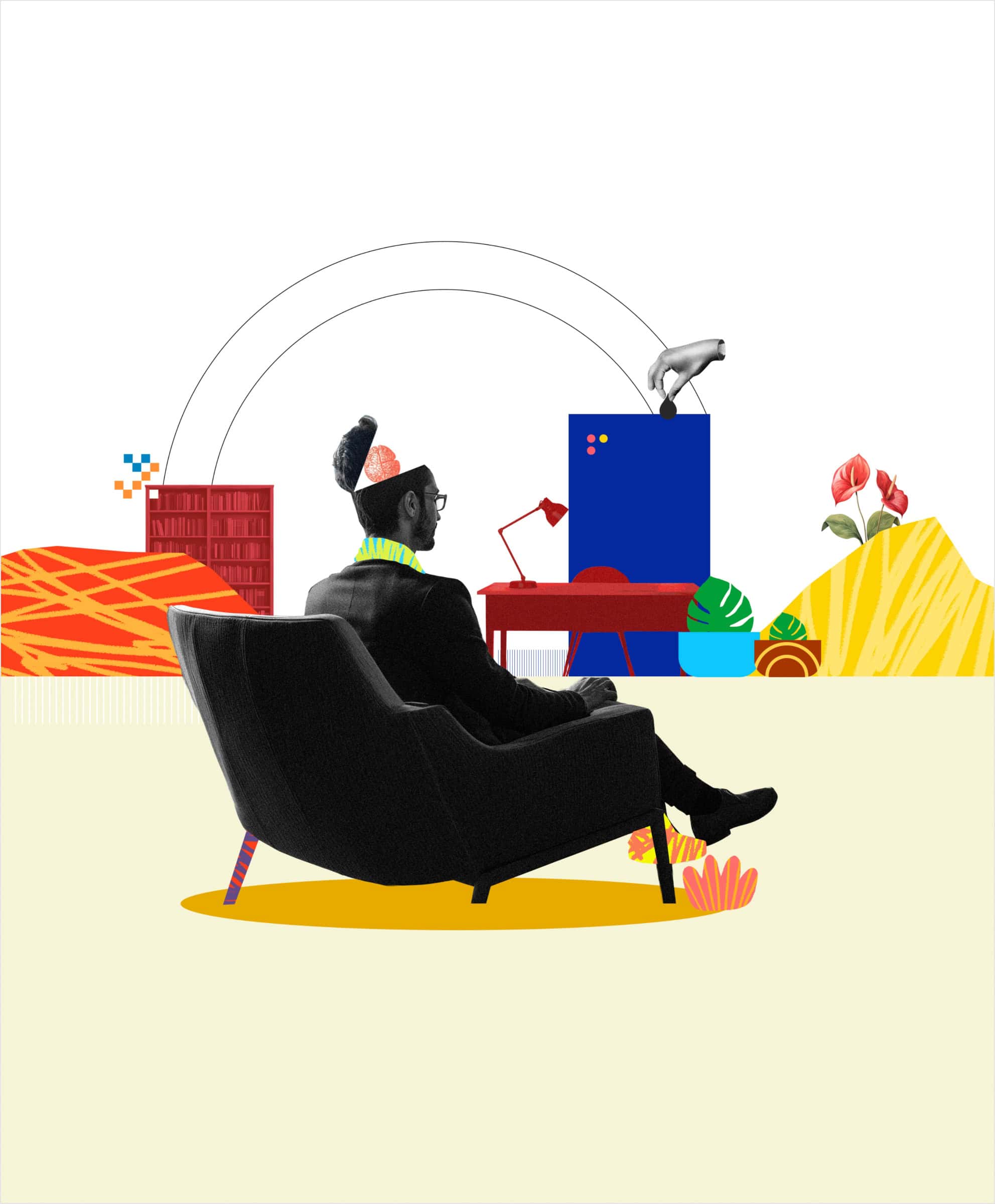
Illustration by Alex Contreras
Consider the Warren Street Hotel in New York City, where jewel box rooms layer bold colors, unexpected textures and more than 700 pieces of commissioned art. Despite the dynamic aesthetic, every space feels surprisingly calm. Kemp’s work is proof that design can be maximalist to the eye and minimalist to the nervous system.
Indeed, noise is never only about what we hear. Emma Orfield Johnston, head of therapeutics at her family’s Minneapolis-based acoustic laboratory, Orfield Therapeutics, defines noise as “any unwanted or excessive level of stimulus.” By that definition, noise can be a glare of sun, a draft from a cracked window or a scent you catch walking down the street.
“Most people think of noise as an exclusively acoustic issue,” says Orfield Johnston. “But sound accounts for only one modality of human sensation.” True silence — “perceptual silence,” as she calls it — is “the deliberate reduction of stimulus across every sensory channel simultaneously, creating a condition we almost never encounter in daily life.”
That’s accurate. We’re constantly surrounded by glowing screens, glaring overhead lights and overpowering fragrances. “The world is loud across every sense,” says Orfield Johnston. “What most people call fatigue is often, in part, the accumulated cost of a day spent filtering sensory input.”
Orfield Laboratories’ anechoic chamber is the extreme version of silence. It’s acoustically quiet, visually dark, thermally stable, and completely free from drafts and scents. Even though it’s challenging to remain in it for an hour, Orfield Johnston says people emerge feeling less anxious and more aware of their breath and heartbeat.
Few of us have easy access to such a space when we need it most (say, after a day of nonstop Zoom calls), but simple changes at home can mimic the effect. “Start with softness,” suggests interior designer Victoria Sass, founder of Prospect Refuge Studio in Minneapolis. “Rugs, long draperies, upholstered furniture, cork and other porous materials absorb sound and reduce reverberation. Even adding a rug and curtains to a formal dining room can completely change how it feels and sounds.”
Another easy fix? Lighting. “Rather than turning all of the lights on, use smaller fixtures to feature tasks and create contrast,” suggests Orfield Johnston. “Our bodies appreciate this contrast, and a fully lit room offers none.” As her grandfather, the founder of the lab, often says: When everything is featured, nothing is featured.
In Sass’s experience, clients who ask for quiet spaces rarely mean actual silence. Rather, they want privacy and sensory reduction. “Complete silence can be unnerving,” she explains. “I think what people actually want is to choose what they’re hearing. A quiet room absorbs the sounds we don’t want, which allows us to notice the ones we do — like music, conversation or rain.”
So perhaps the most meaningful wellness practice doesn’t ask us to add one more thing to our routine, but instead to deliberately edit what we take in. As Kemp attests, silence is a feeling, and the best way to find that feeling is to simply turn down the volume on it all — from sight to sound and everything in between.