Luxury hospitality used to flex in fairly obvious ways: seductive lobbies that lure you in, luxe bed linens you sank into, bespoke bath amenities that beckoned you to soak awhile. Those touches remain, but they’re no longer the headline. Today, the real magic is a feeling; a moment so thoughtfully orchestrated it lands like a spotlight. In the rarefied tiers of high-end hospitality, that is the new definition of exceptional.
Photography provided by Gundolf Pfotenhauer
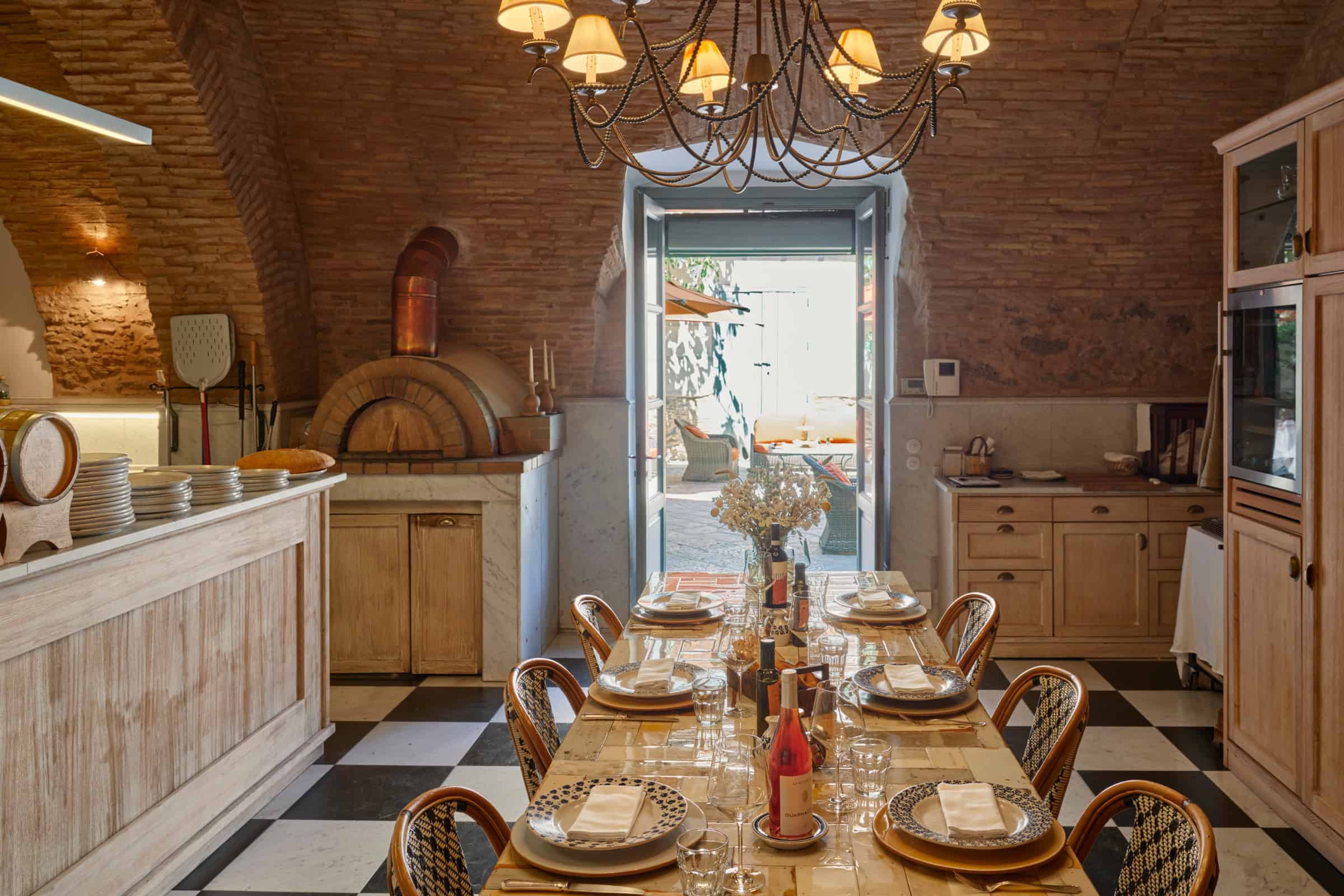
You feel it instantly at Palazzo Margherita in Basilicata, Italy. If you’re lucky, your stay overlaps with a Garden Grigliata, an alfresco dinner that feels like a movie still come to life. Fairy lights flicker overhead, candles glow and a table arranged with theatrical precision stretches throughout the garden. Plates appear in generous waves, and wine makes its quiet circuits. Before long, you’re not just passing through the scene — you’re cast in it.
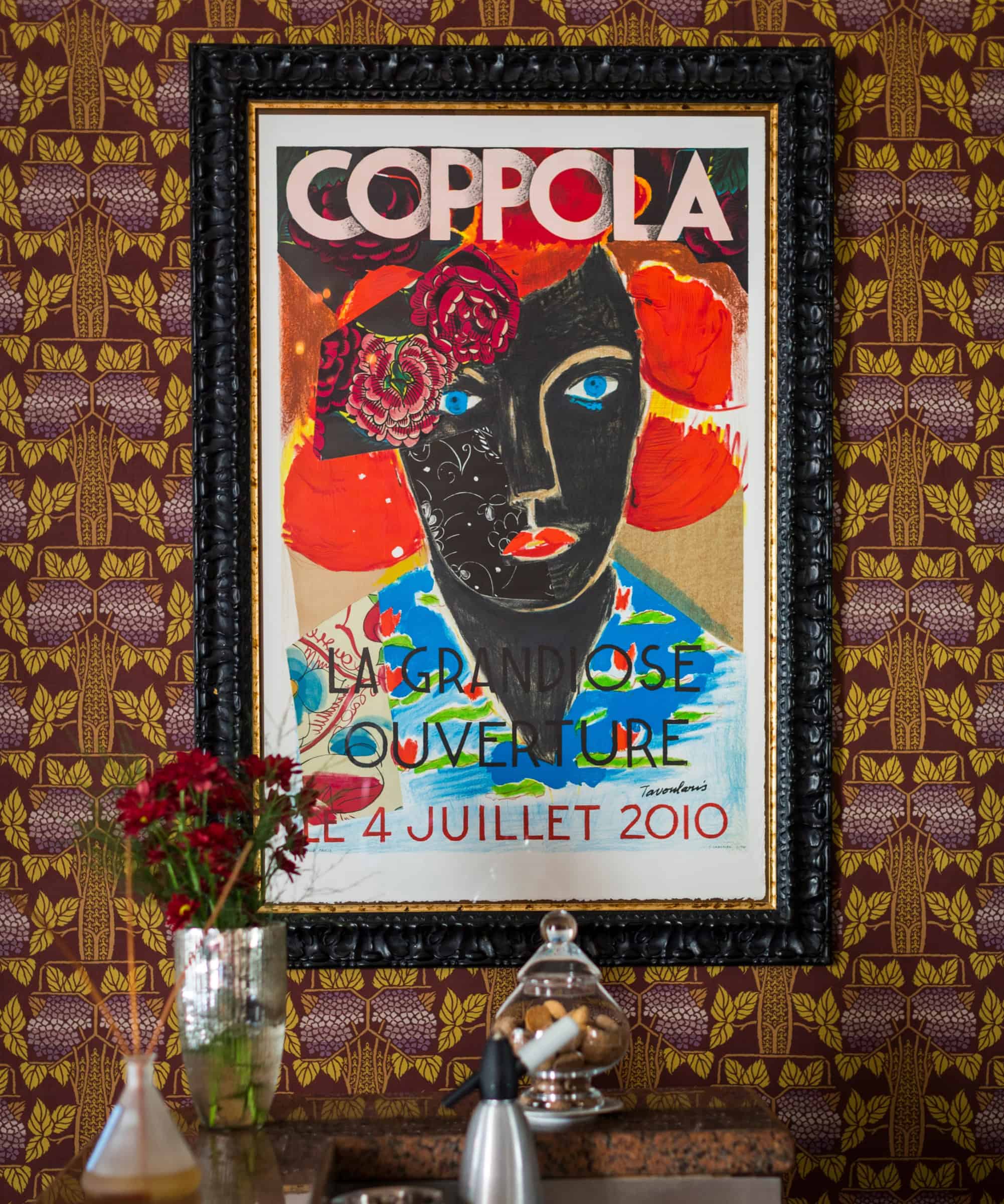
And if fortune really comes your way, Francis Ford Coppola might even be among the diners. The Godfather director — and the visionary behind this Italian hideaway and the larger Coppola Hideaways — doesn’t appear as a celebrity cameo, but as part of the evening. That’s the sweet spot shaping the shift in hospitality: gestures that land with the ease of serendipity but are backed by quiet choreography.
Photography provided by Gundolf Pfotenhauer
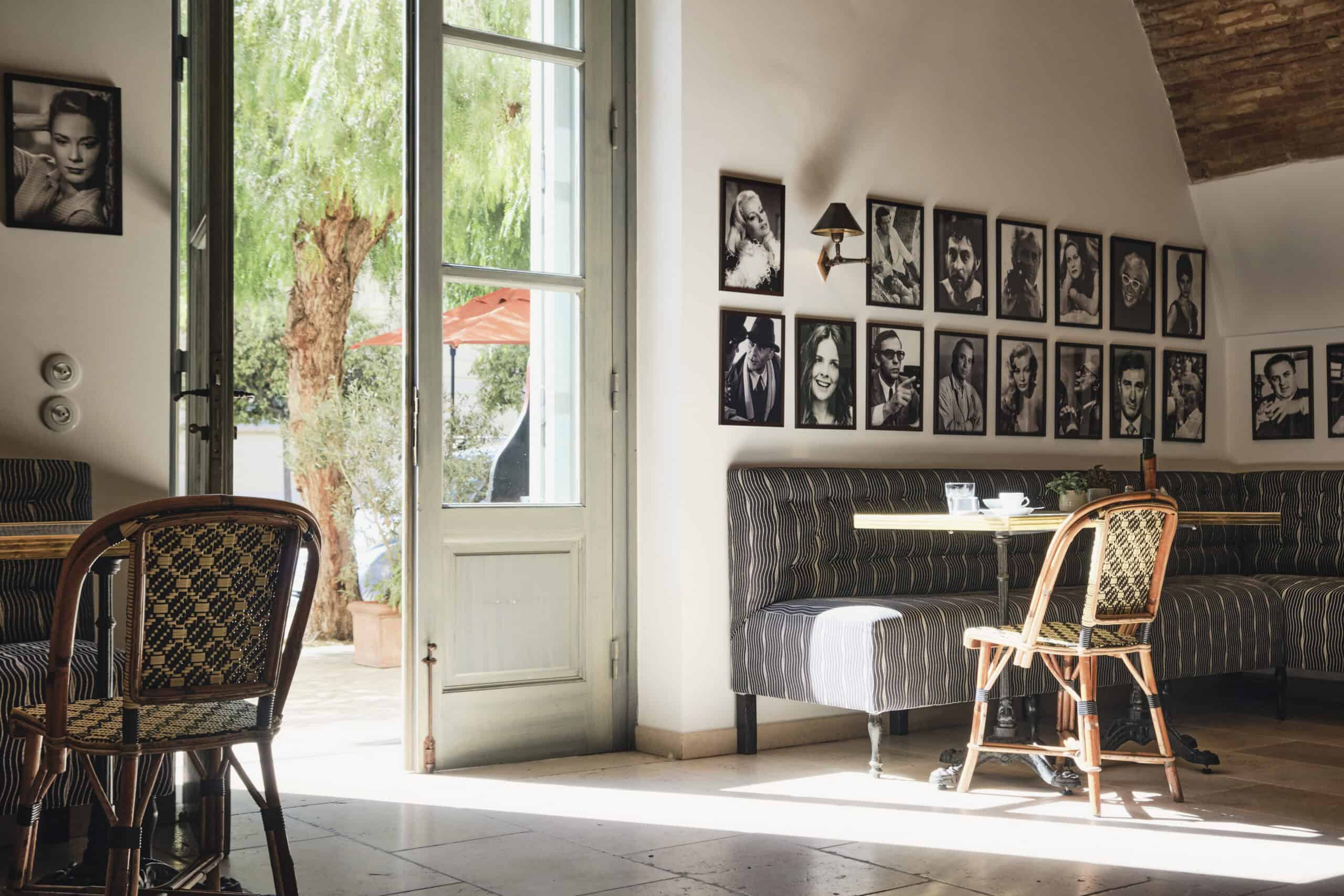
Coppola understands this delicate dance intuitively. His work restoring Palazzo Margherita began with a personal north star: “to bring back to life the beautiful palazzo in our hometown and open it as a home for guests coming from around the world,” he says. “My grandfather, Agostino, came from Bernalda, and I wanted to honor that lineage by creating a place where guests can experience the simplicity and authentic lifestyle of provincial villages in one of the most unspoiled areas of Southern Italy.”
It’s a vision rooted in what luxury means now — realness over spectacle. And it hits even harder today, when technology can handle almost every aspect of a trip. The easier everything gets, the more we want what tech can’t give us — human care. A recent Mews survey confirms it: 68% of globetrotters crave personal touches, from a welcome amenity that feels almost clairvoyant to a cocktail that appears right when you want it. Those gestures coax 80% of visitors back again.
Photography provided by Gundolf Pfotenhauer
It dovetails neatly with the rise of “unreasonable hospitality” — the notion that true luxury is the feeling of being genuinely cared for. Behind the movement is Will Guidara, former co-owner of the Michelin-starred New York City eatery Eleven Madison Park, whose thoughtful approach propelled the restaurant to the title of best in the world. He championed the philosophy through unforgettable gestures, both big and small.
Among his most famous? He once overheard diners regretting they hadn’t tried a New York City hot dog, so he ran out, bought one, plated it as if it belonged on the tasting menu and presented it tableside. They deemed it the highlight of their trip. That spirit became the premise of his New York Times bestseller — and a blueprint for modern hospitality.
So it’s no surprise he sees the same opportunity in high-end hotels. “I believe that everyone, regardless of what they do for a living, has the opportunity to create magic, and I think in the luxury hotel space that opportunity is especially true,” says Guidara. “Life moves very quickly. There aren’t many opportunities to put the world on pause and genuinely connect with loved ones. So when you leave the business of your life behind and walk through the doors of a beautiful hotel, that’s the responsibility that these places have.”
Photography provided by Aman
Chicago-based luxury travel advisor Karina Kavanagh sees the shift happening in real time. Sure, design and grandeur still matter, but the stays that truly leave an imprint are defined by those special touches. “In a predominantly online world,” she explains, “traveling is one of the prime times people are truly logged off and focusing on human connection.” And when a hotel delivers on that? “Travelers become customers for life.”
Anecdotes from her clients feel like something stolen from the pages of a screenplay. One couple celebrating their anniversary opened the doors to their villa to their first-dance song drifting through the room. Another guest found her dog’s framed photo waiting on the nightstand, treats lined up alongside it. In Brussels, a chef slipped a stack of waffles and a handwritten recipe into a box after overhearing a mother say her daughter would’ve adored them. And on a Greek charter, a hand-carved backgammon board surfaced on deck for clients obsessed with the game.
Guidara lived it, and Kavanagh helps usher it into travel. “A lot of value comes from staff simply listening and being empowered to follow through,” she says.
Photography provided by Aman
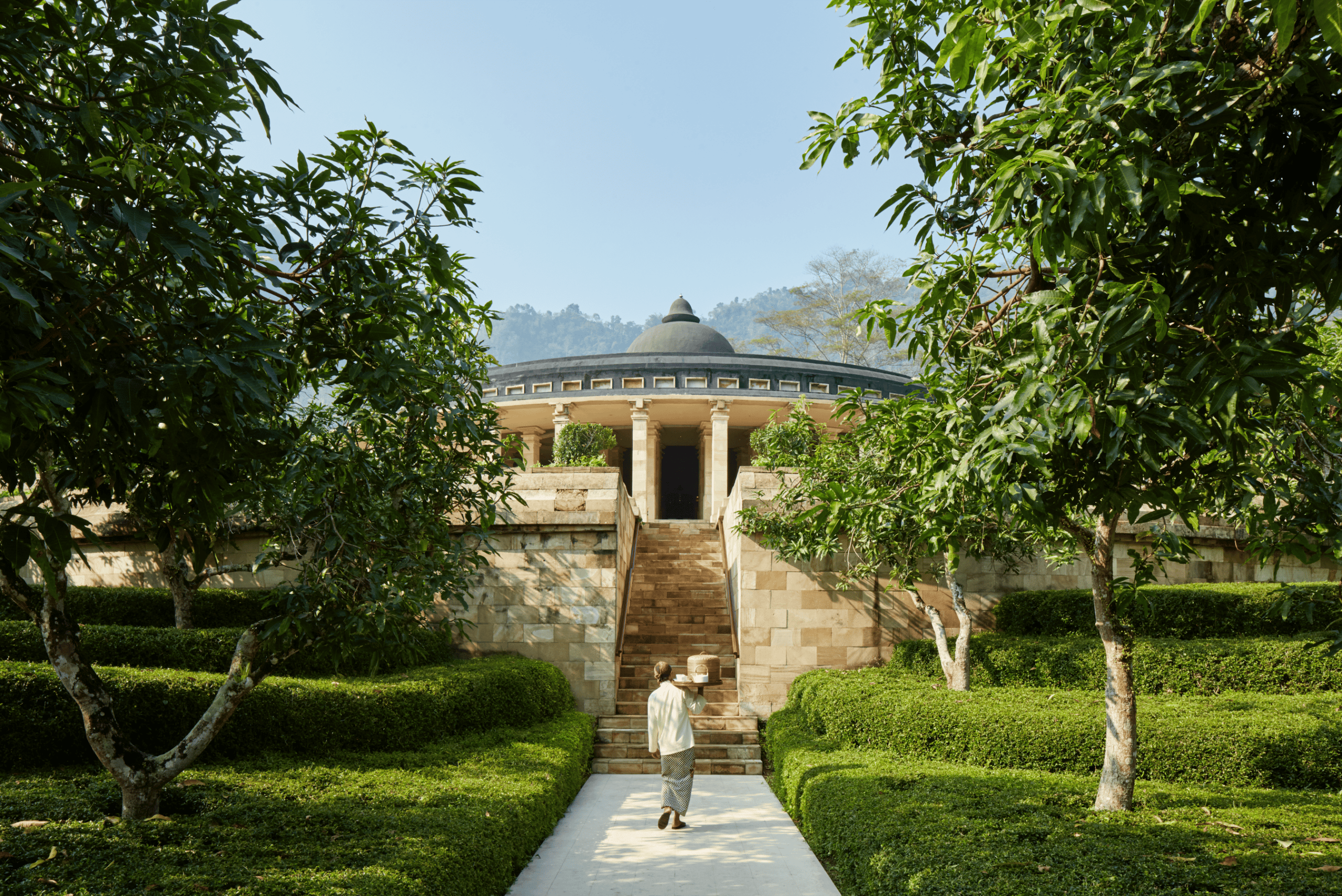
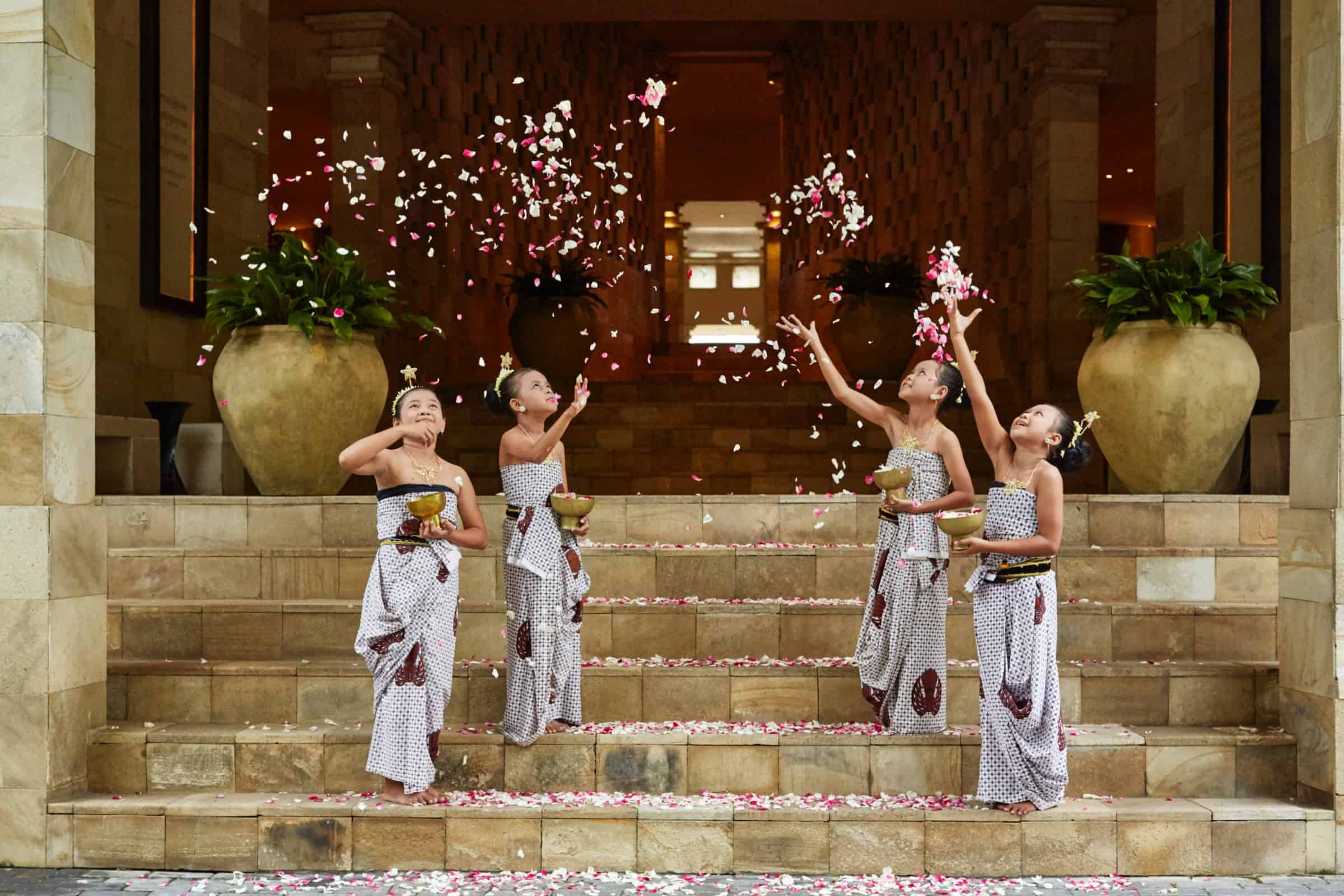
At Amanjiwo — the quiet stone sanctuary tucked into the hills near Borobudur, Indonesia — that’s the default. General Manager Noemi Perez Morgado recalls a birthday stay where a husband mentioned his wife’s favorite lotus — a flower nearly impossible to find on the island. The team combed the markets, then went to a nearby monastery, where the monks offered a few rare blooms with their blessing. After dinner, the couple returned to a room transformed with those hard-won petals. Not bad for a casual comment.
So where does that leave us? Coppola puts it plainly: “As it is with a good film, the aim is to leave each person with something personal and unforgettable,” he says. And when a resort lives up to that promise, it leaves a mark — much like the film that seemingly rewired your heart without warning. It’s the feeling that lingers. The one you carry home with you.