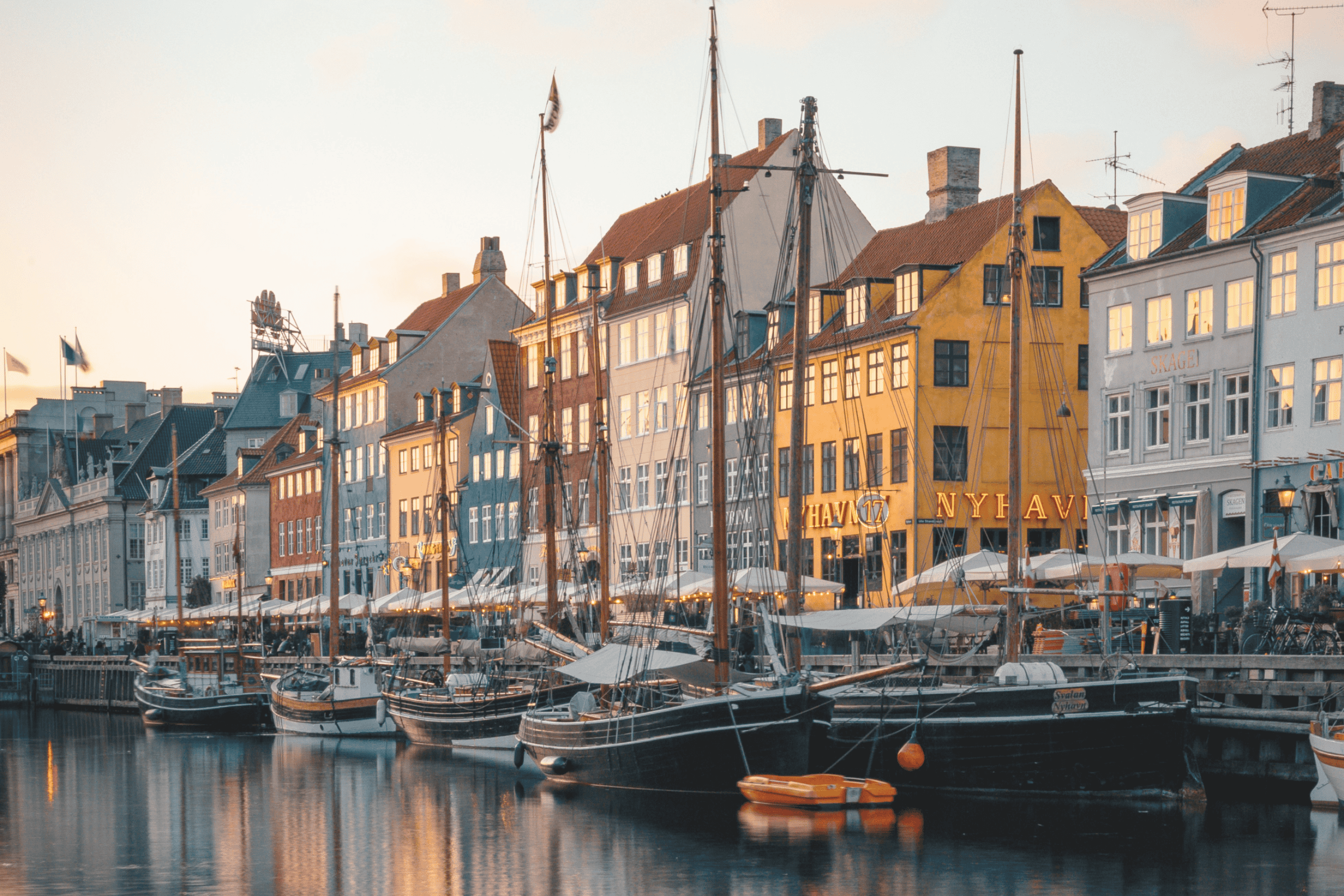
Consistently ranked one of the happiest cities in the world, Copenhagen, Denmark, is equal parts stylish and sustainable with warm English-speaking locals and bike-friendly routes aplenty. Sail or pedal along the city’s canals and pass by a cheerful kaleidoscope of townhouses in Nyhavn Harbor en route to see The Little Mermaid statue, inspired by Hans Christian Andersen’s fairytale. Scandinavia’s culinary capital is home to some of the world’s best restaurants as well as plenty of delectable pastries like poppy seed–studded tebirkes and smørrebrød open-faced sandwiches. The Copenhagen Card, with its handy smartphone app, includes unlimited public transportation in Greater Copenhagen and entrance to 80+ attractions.

Photography provided by D’Angleterre
Stay
Scandinavia’s most glamorous hotel was born from an 18th century love story, and romance still imbues the grande dame’s elegant design, blending modern comfort and a feminine touch. This historic landmark is centrally located, overlooking the prominent Kongens Nytorv cobblestone square. The family-owned hotel boasts 92 rooms and suites, an underground marble swimming pool, an in-house florist, a Champagne bar and the cheerful pink patisserie Maison d’Angleterre. A recent renovation gives guest rooms a cozy residential feel, with soft gray carpeting and colorful pops of Danish abstract art adding playful accents to the stately architecture.
Newly appointed Head Chef Alexander Baert brings fresh creativity to Michelin-starred Marchal, serving multicolored carrot flowers with smoked yogurt–filled petals, alongside classics like canard à la presse. The breakfast buffet is a veritable feast, with free-flowing Champagne and a cornucopia of Danish breads, cheese, charcuterie and fruits. At Hotel D’Angleterre, world-class service means that by the second day, everyone knows your name.
Photography by Neve Qaraday
Dine
After many years cooking Nordic food in Copenhagen’s most renowned kitchens, chef Kristian Baumann has unleashed his full culinary prowess at Koan, sharing a seemingly effortless creativity born from his Korean heritage and Danish upbringing.
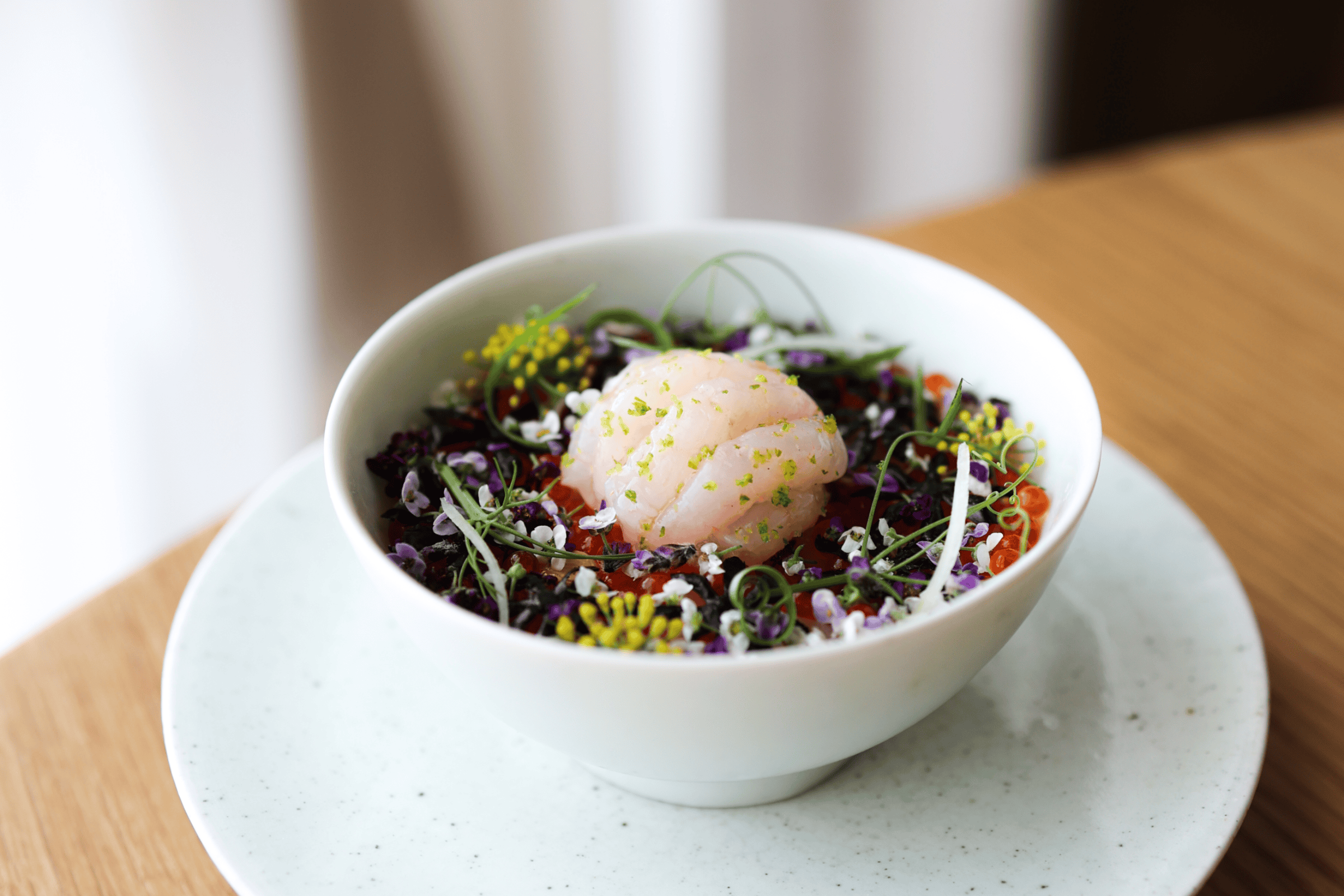
The 23-seat waterfront restaurant feels warm and calm, with backlit ash wood screens and clear views of the open kitchen from every table. The perfect encapsulation of Baumann’s talent in a single bite? The impossibly intricate and harmonious acorn flour tartlet, featuring layers of acorn starch jelly, gooseberry paste, doenjang (Korean soybean paste), fermented green strawberries, green chili and plump sweet peas.
Here, each course seems like a revelation. Seaweed ice cream topped with caviar and hazelnut oil became a signature dish at Baumann’s previous restaurant, 108. At Koan, it’s served alongside a cloud-like oolong tea-flavored soufflé. Beverage pairings range from wine and non-alcoholic sips to Champagne and sool options, like traditional Korean rice–based alcohol from Copenhagen’s Yunguna Brewery.

Photography provided by Stine Goya
Shop
Scandinavian design has traditionally been associated with minimalist style and muted palettes, but Stine Goya was determined to change the stereotype when she launched her eponymous label in 2006, featuring bold, joyful colors and hand-painted prints that inspire wearers to embrace their individuality.
Goya is deeply influenced by creative communities in art, music and dance, and embodies an ethos of sustainability, using 90% recycled and sustainable materials in her designs. She even incorporates old garments from past collections into new designs to illustrate the importance of recycling.
The designer’s Apollo sneaker is a fun new foray into footwear, easily recognizable on fashionable Danes with its futuristic metallic leather color-blocking and durable, thick rubber soles. It’s named for both the Greek god and Copenhagen’s favorite local hangout — Apollo Bar, the museum cafe and bar at Kunsthal Charlottenborg. Goya’s clothes and accessories can be found at both of its Copenhagen locations, beside Rosenborg Castle Gardens and in Østerbro.
Photography by MTJ Studio
Dine
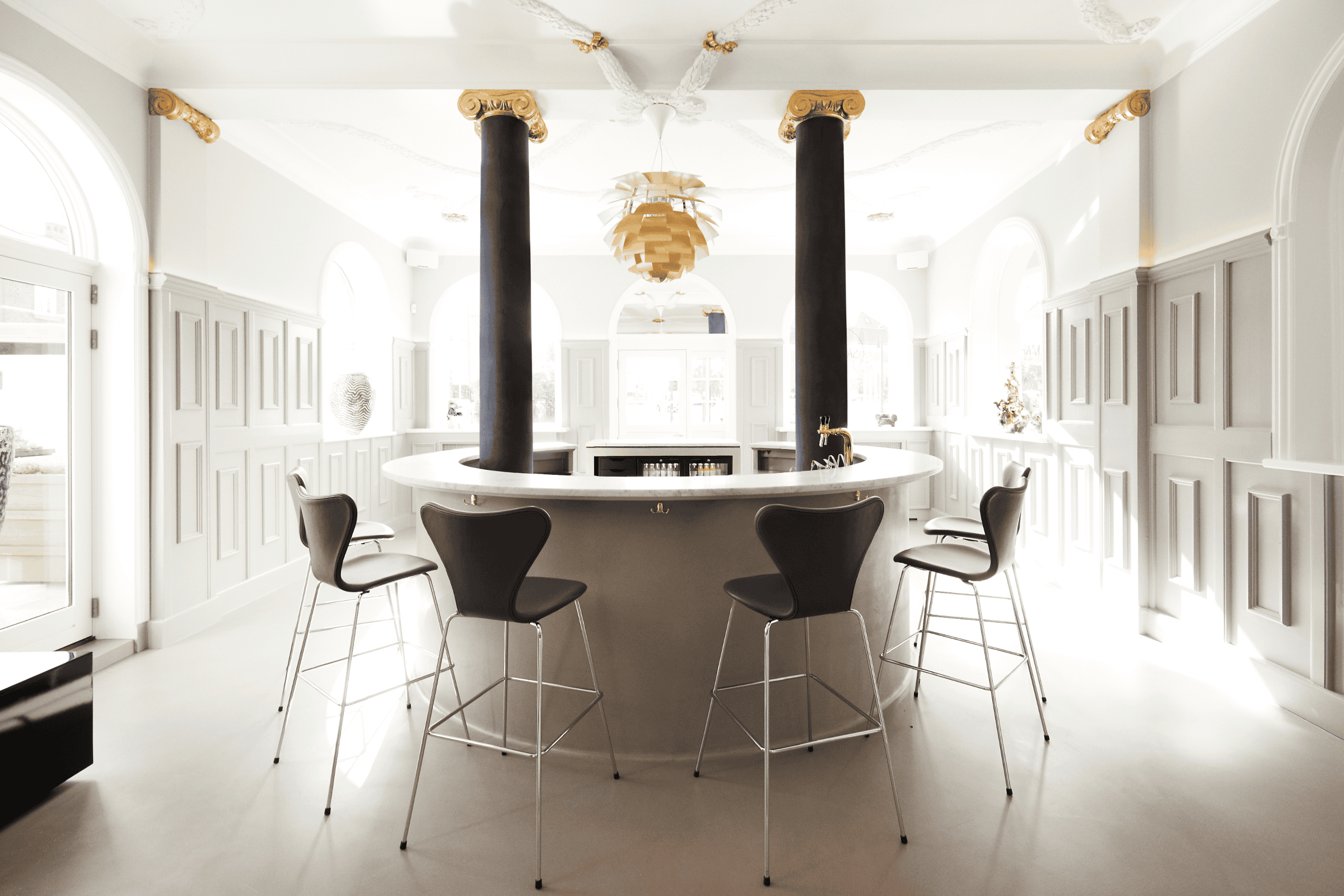
Elegant with a modern edge, the Samuel is located in a historic red-brick villa just north of central Copenhagen. A beautifully restored plaster and gold-leaf ceiling above a circular marble bar overlooking the gleaming open kitchen makes a glamorous first impression.
Chef and sommelier Jonathan K. Berntsen and maître d’hôtel Rasmus Knude are partners and good friends who generously share their passion for food and wine with guests. Berntsen’s food is opulent, showcasing impeccable French technique and an affinity for shellfish. Lobster cappuccino with a hint of raw cacao wakes up the palate, and Danish langoustine quenelles with beluga caviar are served on Royal Copenhagen vintage china.
The wine pairing options are excellent, but a list of well-priced bottles is also available. The Samuel’s impressive collection focuses on Bordeaux, Burgundy and Champagne, with rare bottles from World War II and the deepest collection of Dom Pérignon north of Paris.

Photography provided by Rotate
Shop
Jeanette Madsen and Thora Valdimars met as fashion editors before partnering with Danish heritage fashion house Birger Christensen to found B Corp–certified womenswear label Rotate in 2018. The duo’s modern take on Scandinavian style is classic and comfortable, with strong sculpted silhouettes and unexpected design details that feel empowering for the bold, modern woman. To wit: They recently designed new kits for the Danish women’s national football team. “We start with a statement piece, then add our bold twist,” Valdimars says. “It’s our way of creating styles you can return to that feel fresh and relevant.”
While Rotate is stocked globally at Revolve, Shopbop, Bloomingdale’s and Harvey Nichols, Madsen and Valdimars opened their first standalone flagship store last year in their hometown. The immersive space is a glamorous, dramatic reflection of the brand, juxtaposing soft, feminine elements with raw wood finishes, electric strobe lighting and rich burgundy–lacquered walls.

Photography by Rasmus Hjortshoej
Do
Including everything from sculptural furniture to a mesmerizing wunderkammer (German for a room of wonder) cabinet of curiosities, this museum exemplifies how design can manifest in our daily lives. Exhibitions flow from one to the next, beginning with a celebration of textile prints, including floor-to-ceiling stretches of cotton, linen and silk in an array of vibrant patterns, which are then fashioned into stylish dresses.
The new, permanent exhibition Danish Modern conveys the ideas of practicality and comfort behind Danish design in the 20th century. The movement began in the 1920s, emerging on an international stage after World War II. Pieces by iconic designers like Kaare Klint, Arne Jacobsen and Hans J. Wegner are not to be missed, and a Hollywood Squares–esque floor-to-ceiling chair tunnel with 125 different chairs on display would make Goldilocks jealous. The gift shop offers books, ceramics and objets d’art by Danish designers as retail therapy and the museum garden is the ideal spot a cup of coffee or glass of wine.