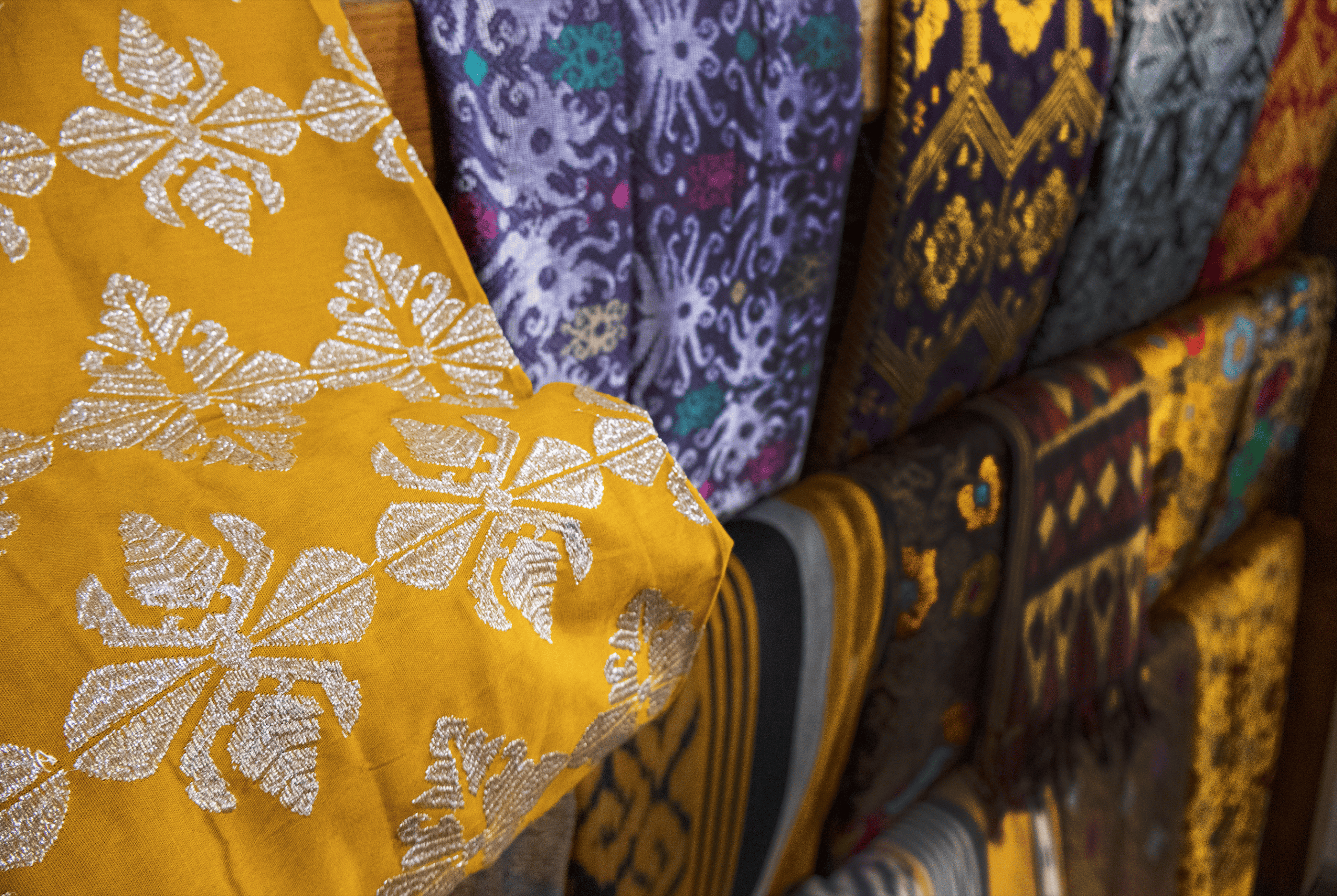
In our everyday lives, we’re surrounded by prints and patterns grounded in the storied cultures of destinations near and far. We sink into couches adorned with ikat pillows, a design once woven to bless homes and marriages. We sport cozy autumn flannel emblazoned with tartan once banned by an empire. Our closets, cushions and chairs are imbued with forgotten meaning. The language of these textiles is ancient, and the patterns that bring color to our lives take on so much more meaning once we understand the makers behind them.
Learning these stories or, better still, visiting the places and meeting the people who have kept them alive for millennia changes how we experience the fabrics around us. What was mere decoration evolves into a dialogue with the past. Almost every iconic pattern has its own unique origin story. Here we explore five fabrics worth following to the source.
Photography provided by Fife Arms Tartan
Tartan
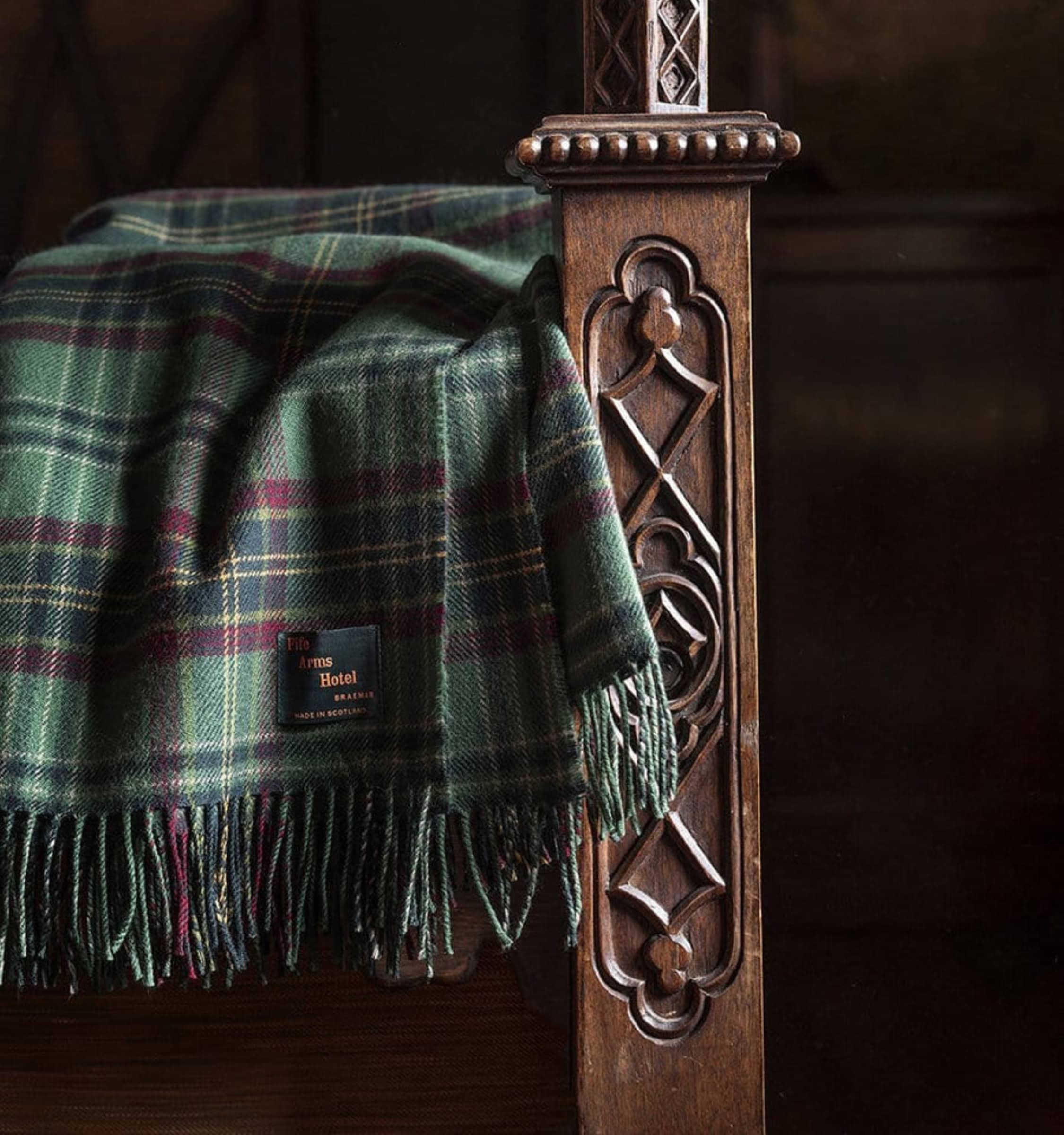
After the Battle of Culloden in 1746, the British Crown banned tartan from the Scottish Highlands, a prohibition that lasted nearly four decades and transformed the textile into an act of resistance. Today, the fabric remains synonymous with Scottish pride, and the best place to encounter it is at a Highlands hotel committed to keeping the cherished artistry alive. The Fife Arms is a 19th century inn, reimagined by art world power couple Iwan and Manuela Wirth. It houses more than 16,000 artworks, and textiles are central to the design narrative. Scottish designer Araminta Campbell (a favorite of King Charles) created the hotel’s bespoke house tartan and tweeds. Style enthusiasts can go even further: the property’s Ghillie team — guides specializing in outdoor sporting activities — facilitates a Design Your Own Tartan experience with an expert, producing a registered personal pattern that’s rooted in tradition yet entirely one’s own.
Photography by Bonnie Pop
Ikat
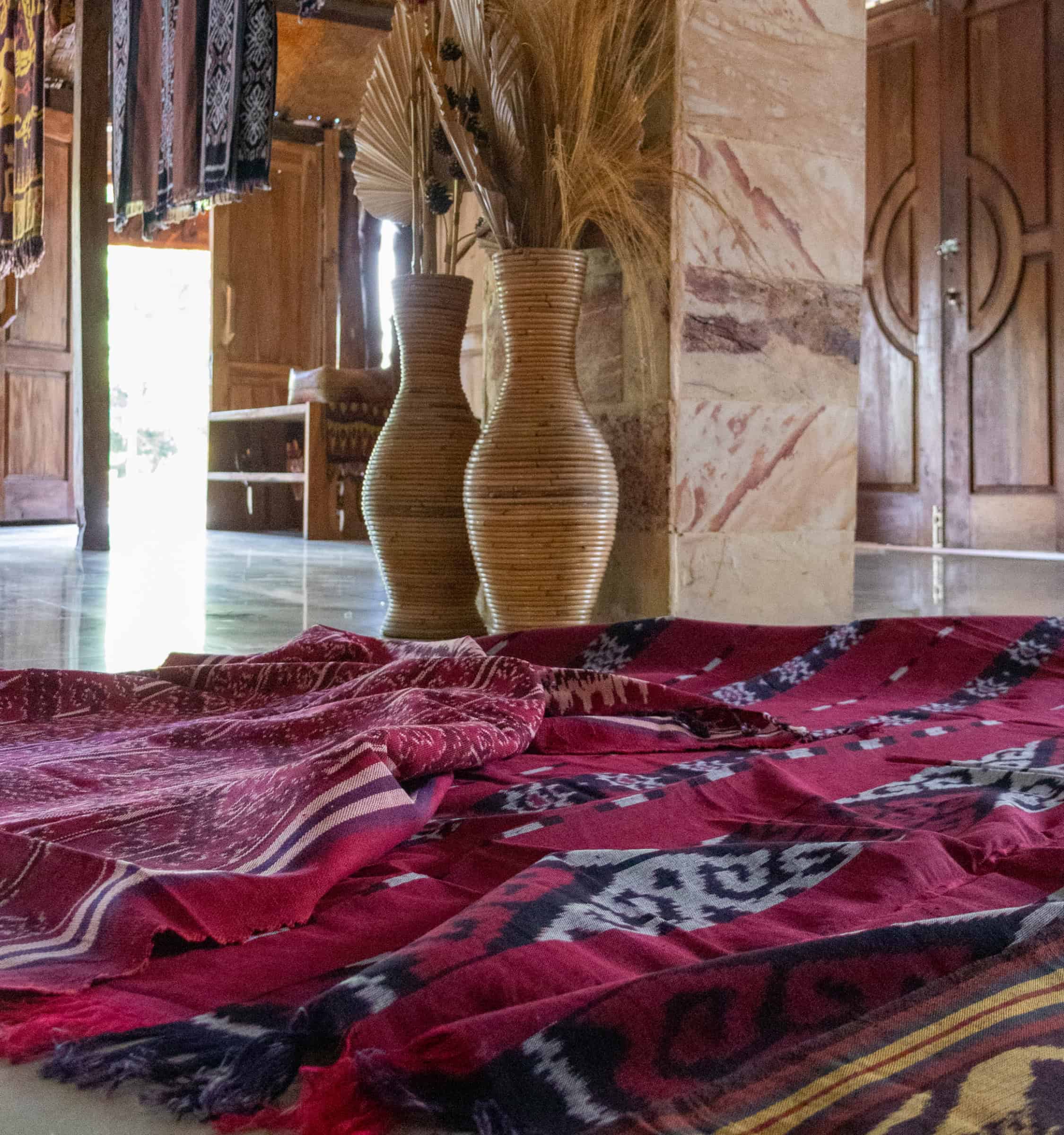
What makes Indonesian ikat unlike almost any other textile is a pattern that’s locked into the thread itself. Lombok’s Sasak weavers tightly bind sections of yarn before dyeing, so the print emerges only once the threads are woven together. The process takes months, and no two pieces are alike. The Sasak ikat tradition incorporates specific patterns into important ceremonies, such as those that wed couples, distinguish rank and accompany the dead to their resting place. In the famed villages of Sukarara and Sade, women work at backstrap looms in the shade of their family compounds, and visitors are warmly welcomed to watch or try for themselves. Hotel Tugu on Lombok’s north shore is an ideal retreat for the art-inclined. Its museum-worthy collection of Indonesian antiques fills every room, beds are draped in authentic ikat and the cultural concierge can arrange day trips for those who want to delve deeper.
Photography provided by Hosoo Nishijin-ori
Nishijin-ori
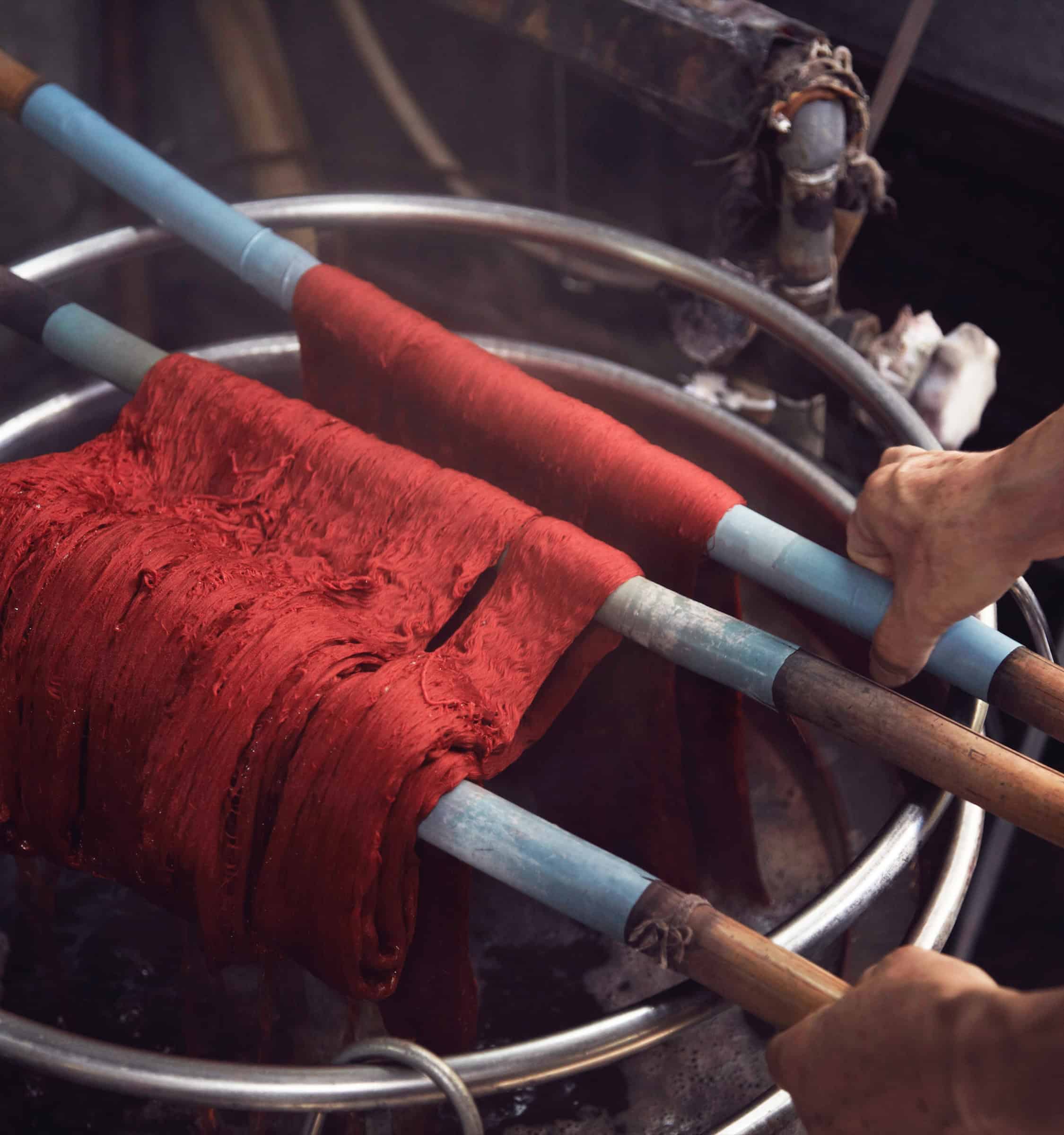
In the historic old weaving district of Nishijin in northwest Kyoto, visitors can still hear the looms running. Nishijin-ori — the pre-dyed silk brocade that has clothed the Japanese imperial court for some 1,200 years — is produced through a collaboration of more than 20 specialist craftsmen, each responsible for one stage of a process so technically demanding it has been compared to a jazz ensemble. The Japanese textile company HOSOO, founded in 1688, is the most compelling entry point for those wanting to experience, not just witness, the resulting design. Its flagship store is bookable by appointment and functions as part atelier, part archive, part gallery. Aman Kyoto is a top resort for travelers interested in exploring Nishijin’s textile traditions just across the city. The hotel’s 80-acre grounds were once the private garden of an obi collector (the decorative sash worn around the waist of a traditional Japanese kimono), who spent decades dreaming of building a textile museum there. The museum was never built, but the obsession with craft never left the property.
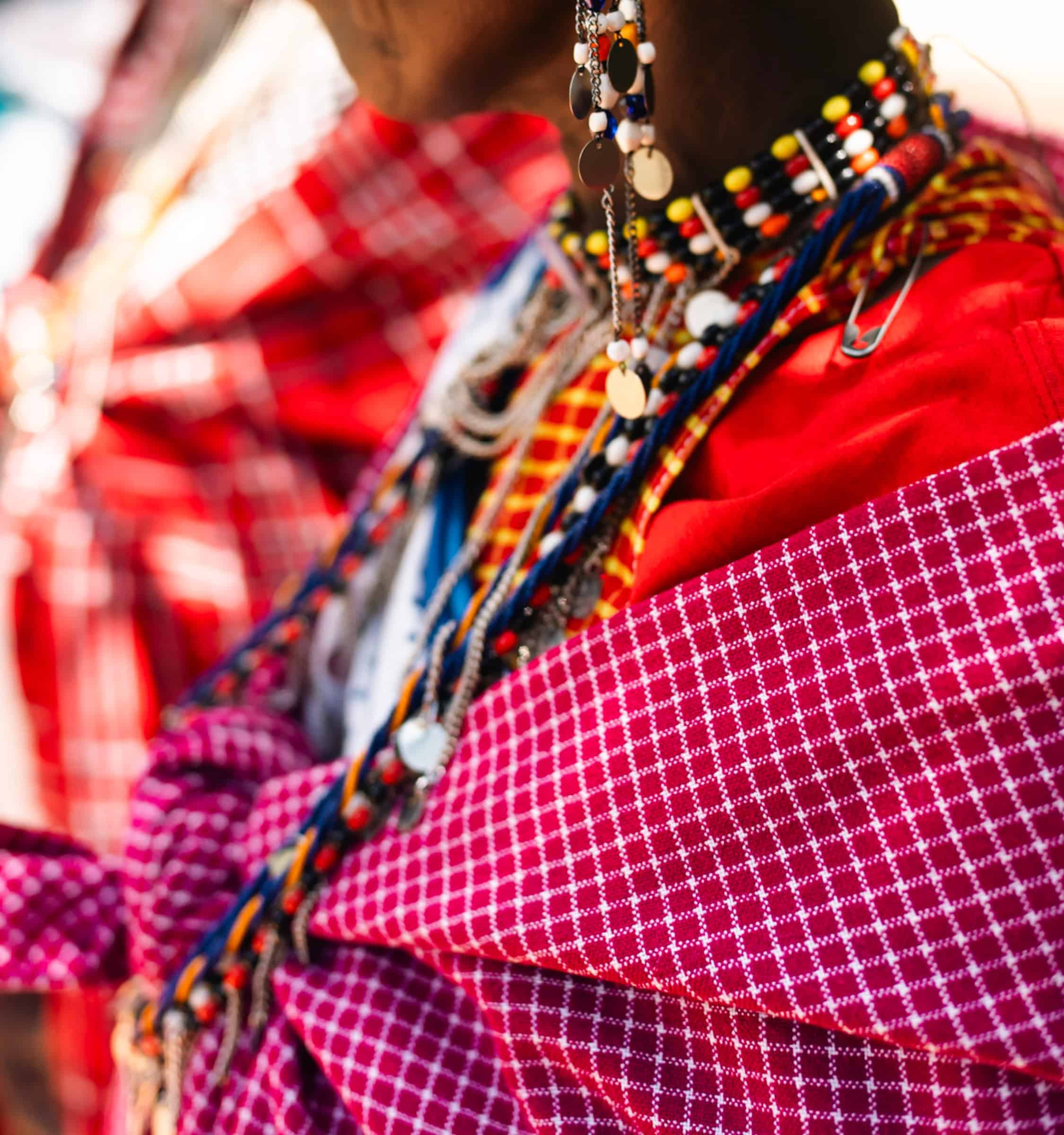
Photography by Dylan Royal | &Beyond Maasai Shuka
Maasai Shuka
Serengeti National Park, Tanzania
Both the Scottish tartan and Maasai shuka bear similar bold checks and a history as the wardrobe of warriors. It’s even believed that Scottish missionaries originally brought the cloth to Africa, trading it east before the Maasai community adopted it and made it their own. The pattern is now recognized globally as the shuka print. Colors carry special significance: red for bravery, blue for the sky and rain it promises, green for the grazing land, and black for the people themselves. It’s a code, legible to the Maasai and invisible to everyone else, which is precisely why the best way to encounter it is in conversation with the locals. At &Beyond Klein’s Camp in Tanzania, the predominantly Maasai staff make these interactions a natural part of each stay. The team also facilitates visits to a traditional village homestead, called a boma, where those closest to the cloth can explain the meanings behind each color and pattern.
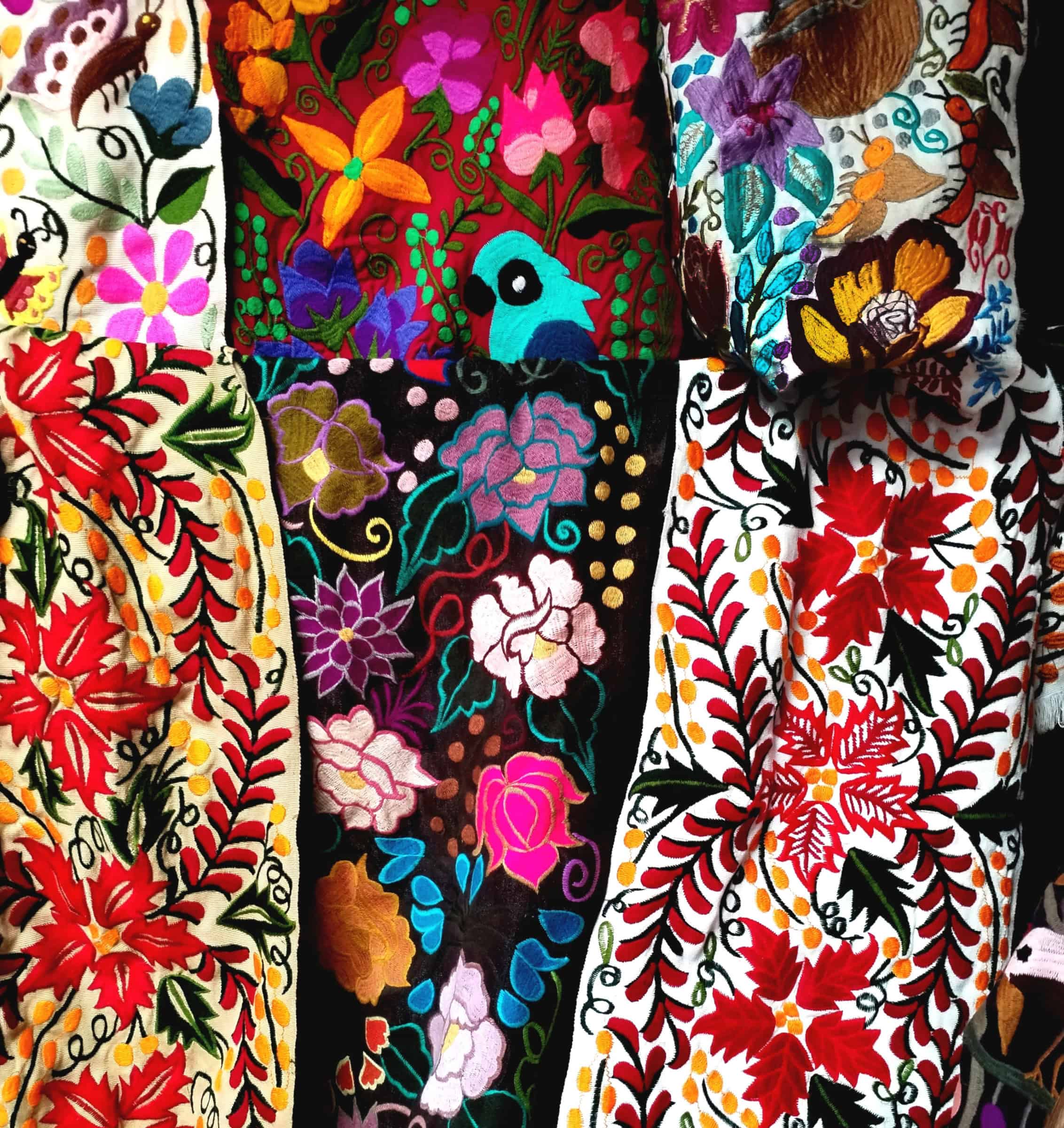
Photography by Paco Adame
San Antonino Embroidery
The women of San Antonino Castillo Velasco, a village 40 minutes south of Oaxaca City, have a phrase for the intricate floral patterns they stitch: hazme si puedes, which translates to “make me if you can.” True enough. The painstaking silk embroidery, threaded onto white cotton since the 17th century, bears blossoms so densely packed, making for fabric that’s as fascinating to behold up close as it is from afar. The Zapotec tradition requires years to master — and hours per inch to execute. Visitors can join workshops with the women’s cooperative Artesanía Téxtil to learn more about the tradition and the technique. Back in Oaxaca, the best base for lodging is Casa Antonieta, mere steps from the Museo Textil de Oaxaca. The hotel’s soothing, minimalist interior palette lets the vibrant local embroidery shine.