Photography by Bo Carlock/Spacecrafting
For a Minnesota family, time spent on Florida’s colorful Captiva Island has been a long-held tradition. One of the homeowners began visiting the destination in the 1980s, when her parents took their boat down the Mississippi and landed on laid-back Captiva — a charming stretch of coastline speckled with pastel-hued cottages. When she met her husband, they honeymooned there. And in 2022, their son and daughter-in-law got married there. For a place that has held such meaning for three generations, the family was excited to finally build a legacy home on the island.
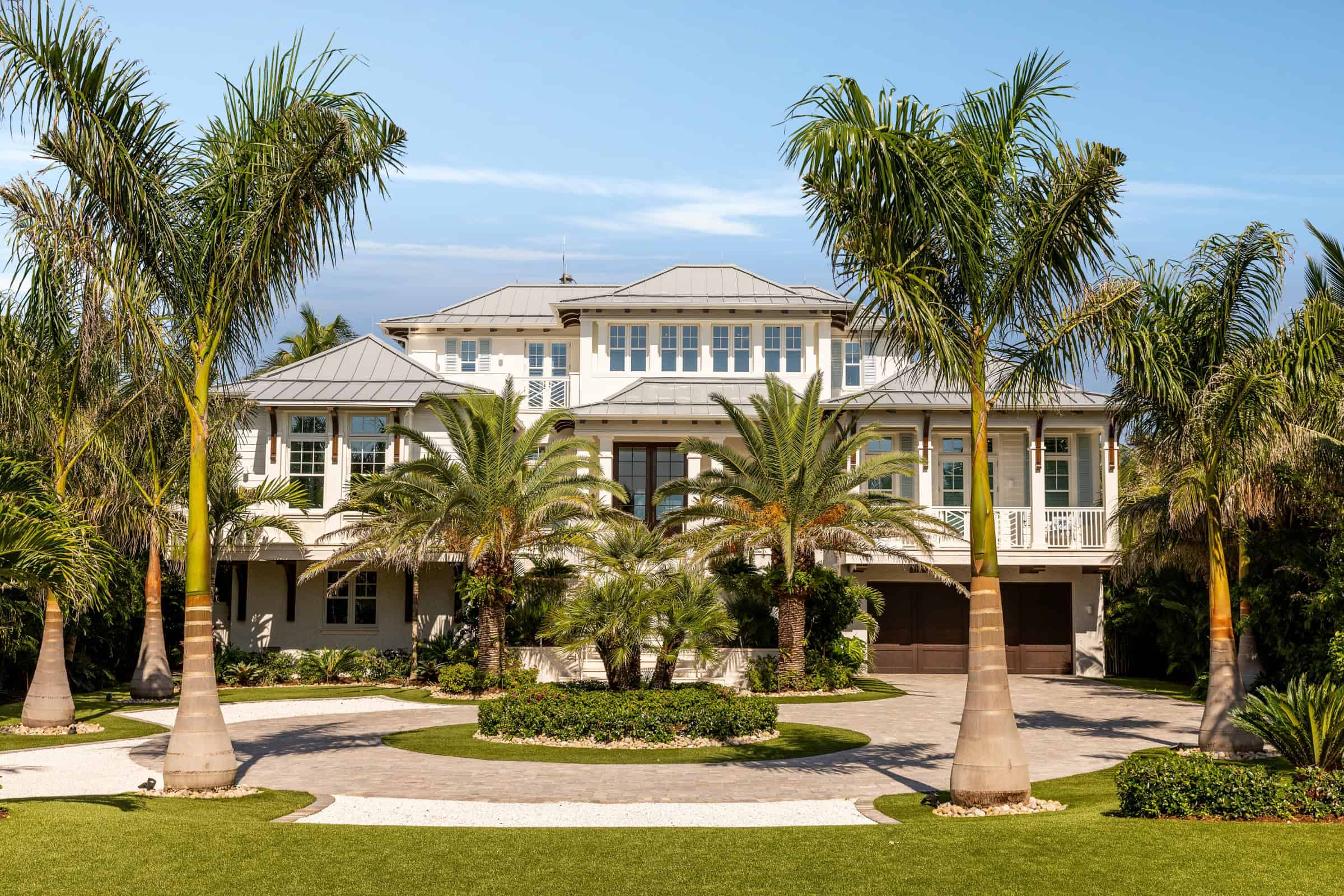
In 2019, the couple purchased a 1.5-acre plot with a dock and soon began planning with Fiddlehead Design Group, who had also collaborated on their Minnesota property. “The team knows our style, and we worked with an architect who had built on Captiva before,” she recalls.
The lot, which faces both the gulf and the bay, originally had a larger pink home and a purple guesthouse, but the couple envisioned a more traditional-style main house paired with a guesthouse that their growing family could enjoy. While the island has seen damage and new development after recent hurricanes, it has maintained its charm. “Captiva Island is a more casual, easy-going version of Florida, with restaurants that have been there forever and a strong community,” says Fiddlehead interior designer Jen Ziemer.
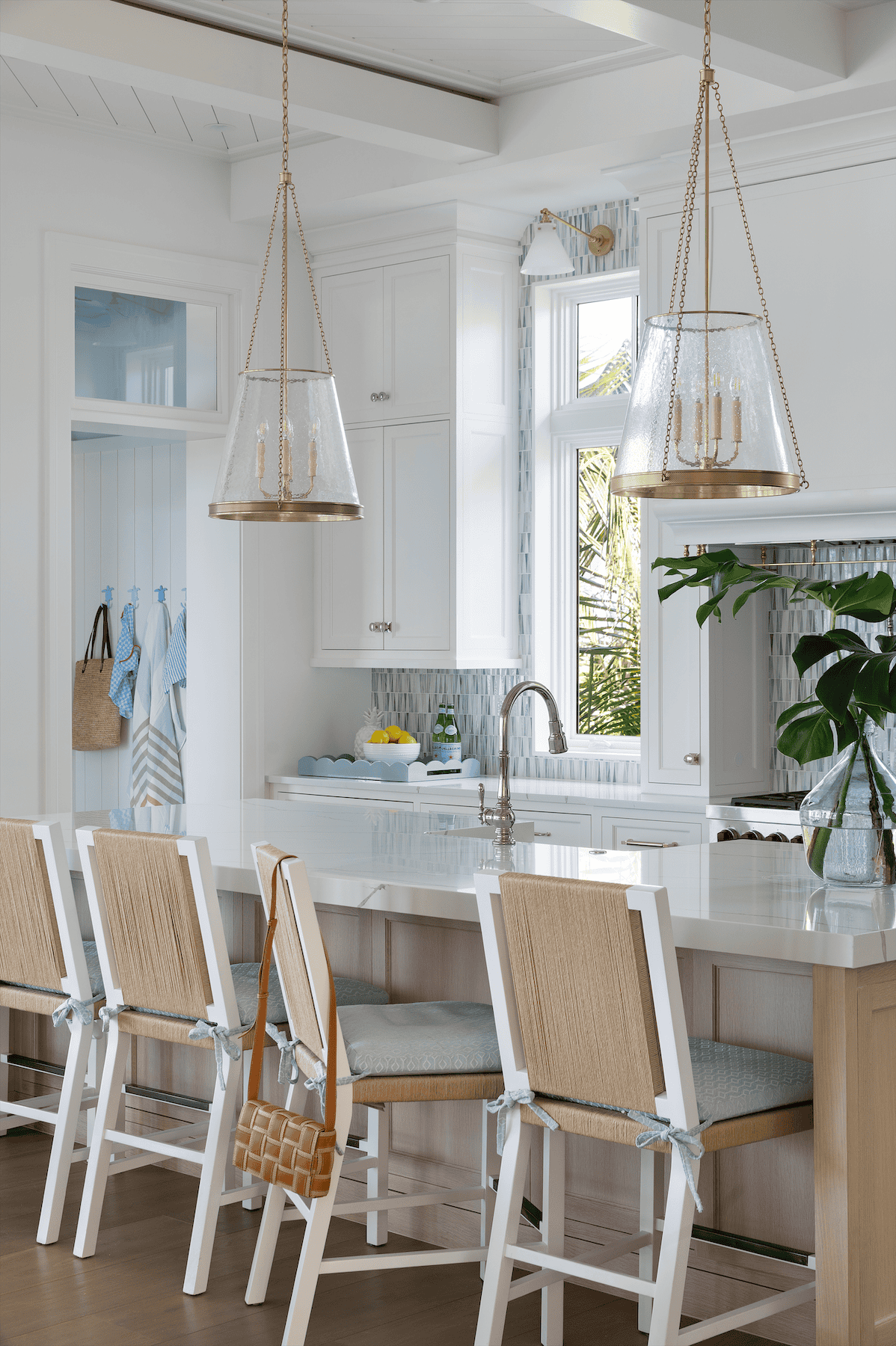
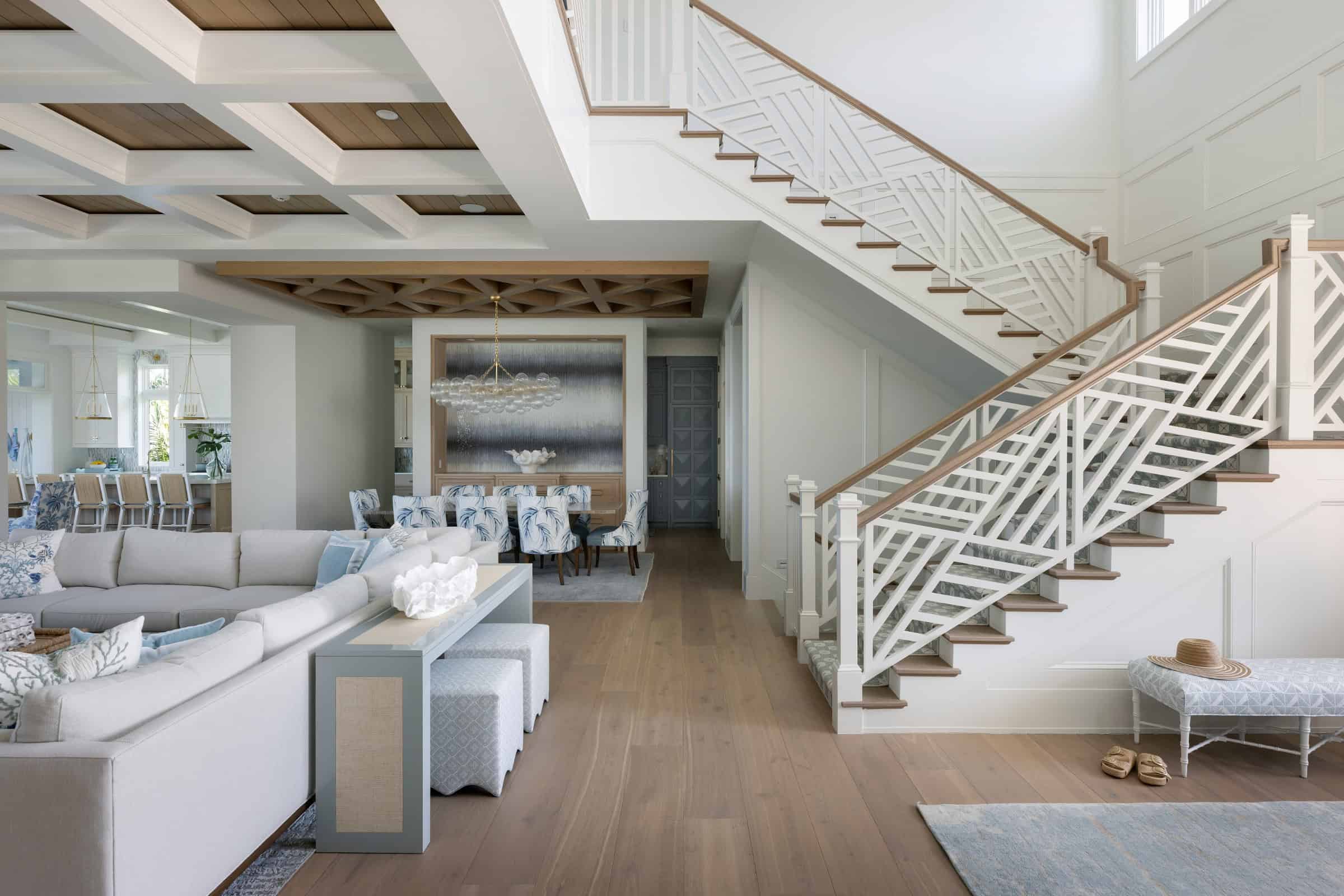
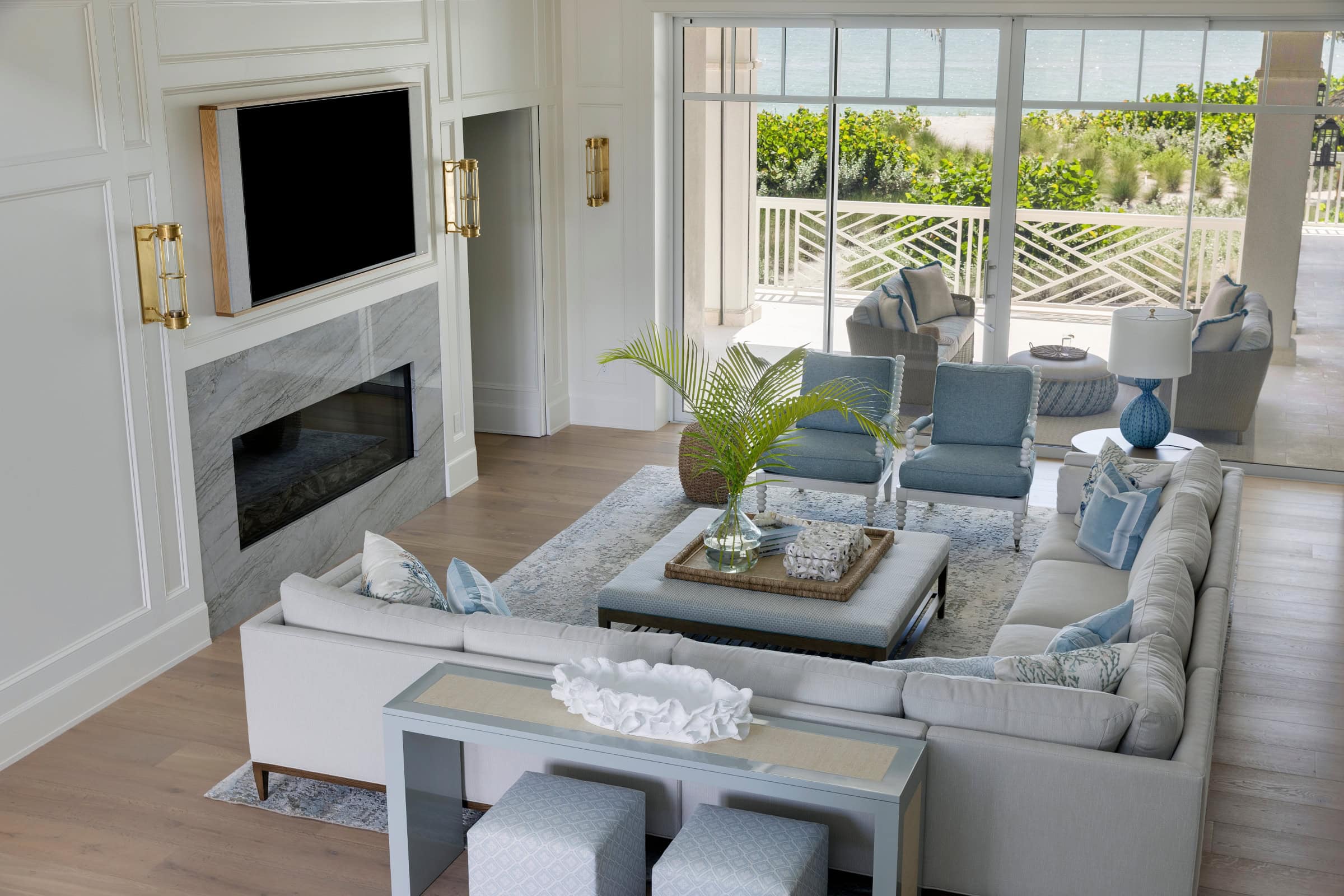
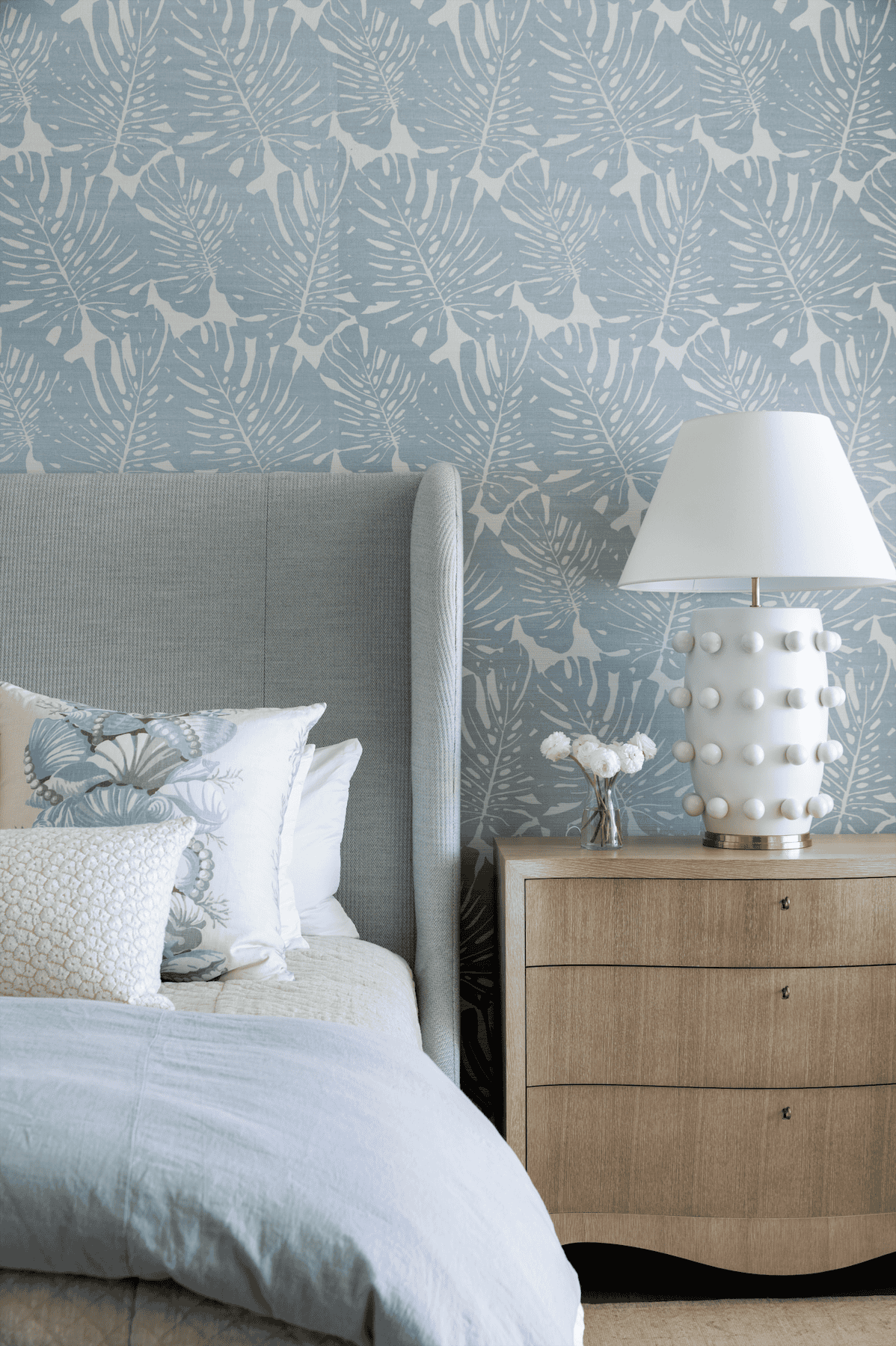
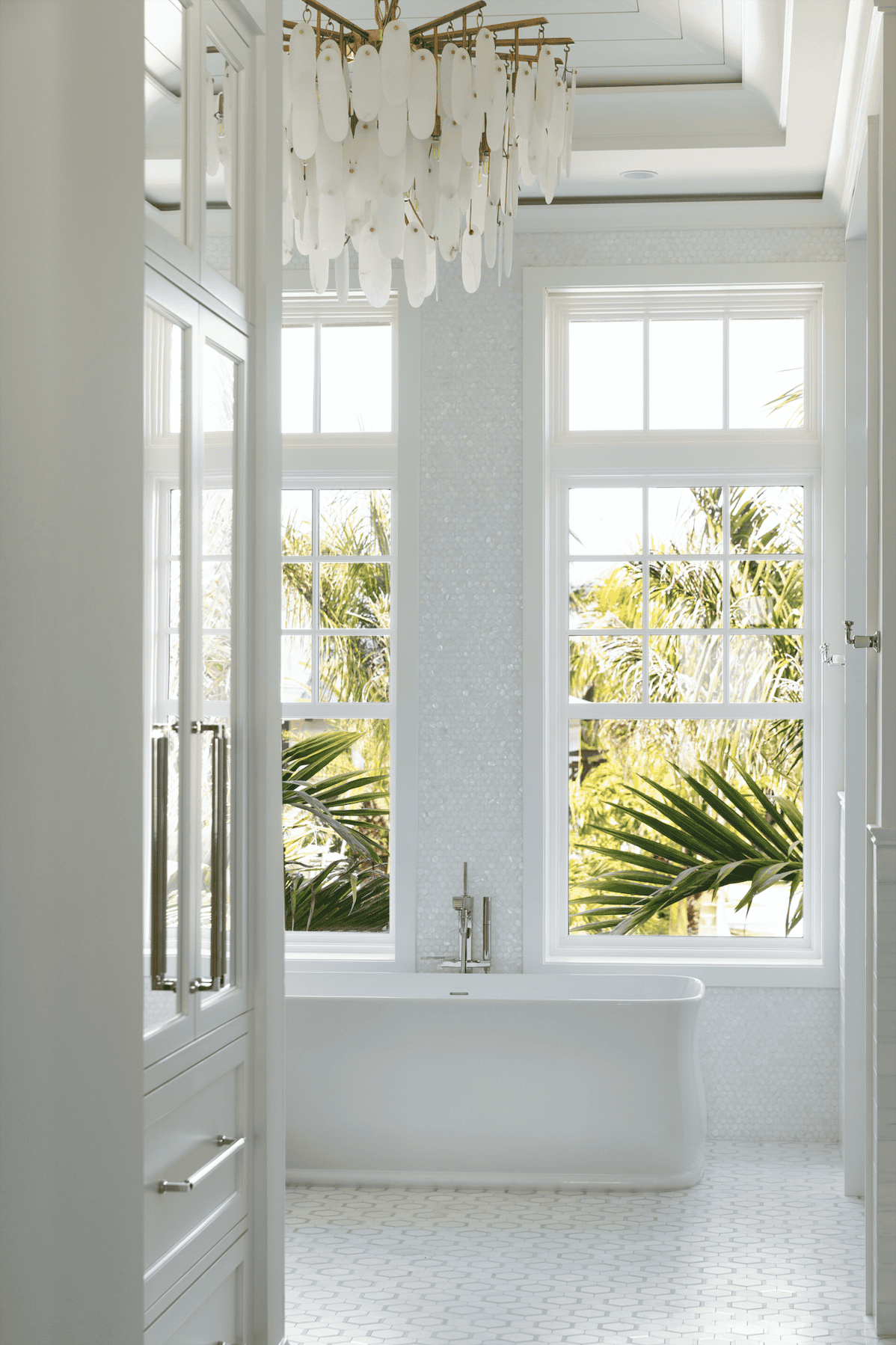
In 2024, the team completed a home that perfectly suits the couple’s personal tastes and the spirit of Captiva. The four-bedroom, six-bath main house is full of texture and awash in blue and white, with an expansive 13,000-square-foot floor plan. Meanwhile, the 3,400-square-foot guesthouse, which features three bedrooms and four baths, embraces quirky patterns. “Blue is the homeowners’ color and certainly Florida’s as well,” notes Fiddlehead interior designer Andréa Dixon.
They expanded the tonal palette by working in tandem on tile and fabric selections, using the same colors but in subtle shifts: some blues leaning a little more gray, others tipping toward green — clear nods to the turquoise waters outside. “It’s all about balance,” says Ziemer. “Then, layering and taking it as far as the client will allow,” says Dixon. “Even the ceiling is another texture to balance.”
The main house features a generous open layout across the common spaces. In the dining room, an ombré tile creates an impressive backdrop that pairs with detailed dining chairs. Throughout, each room captures ocean vistas. “You can’t beat the views — that’s really the art in the home,” says Ziemer.
“We wanted to stay fairly coastal in design, with large open spaces but rooms that still felt cozy and comfortable,” says the homeowner. “And it needed to be family-friendly, so the design choices reflect that. We didn’t want anyone to worry about the kids or dogs spilling, or having to be overly cautious.” The only request from her husband? No shiplap.
Light wood floors allow tracked-in sand to virtually disappear, while quartz countertops keep maintenance minimal. One challenge was adapting their light fixtures to meet dark-sky guidelines during turtle season. “We never thought we’d have to consider turtle babies during our selection process,” Ziemer says with a laugh.
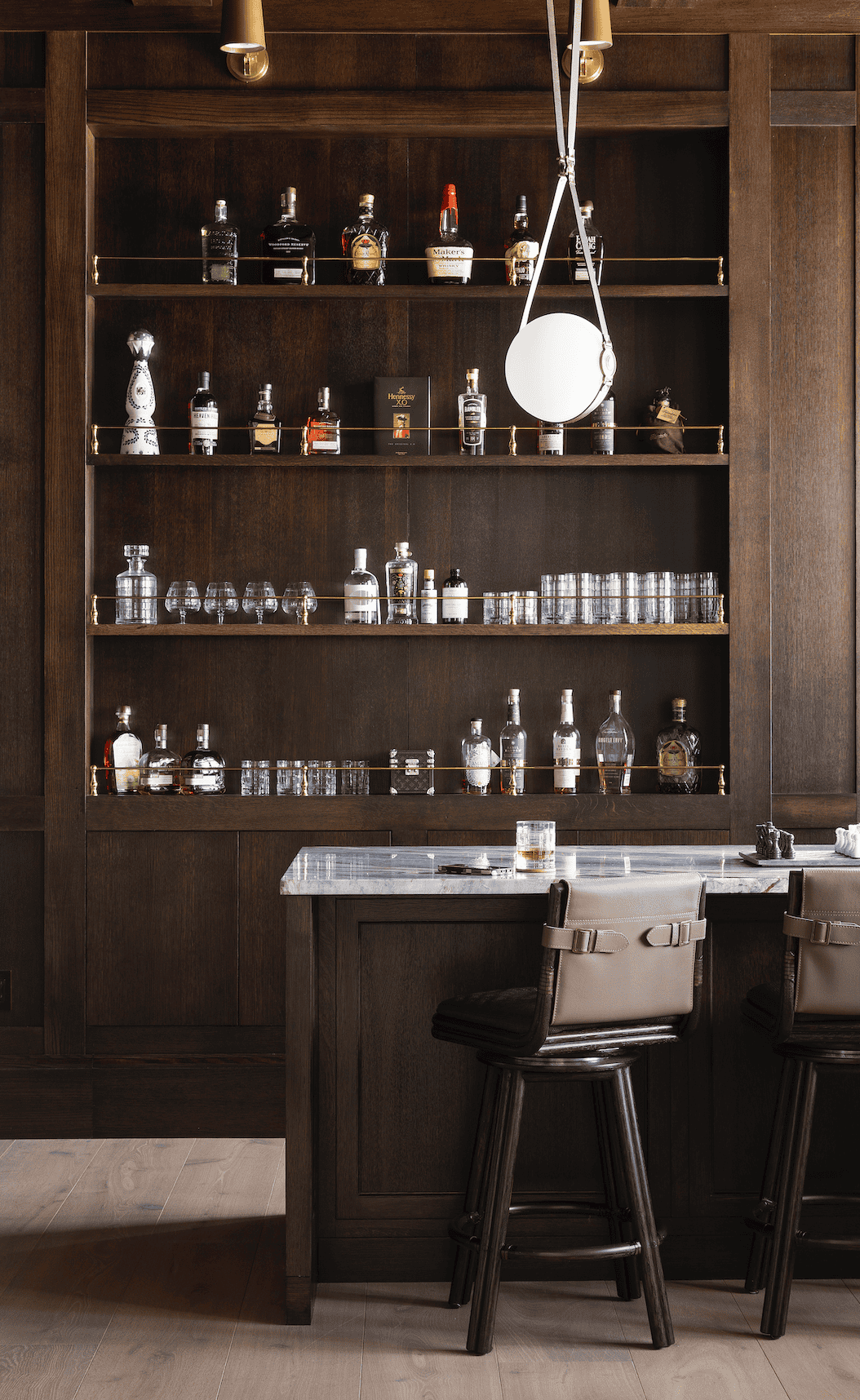
In the main house, there’s a bevy of special spaces, but two stand out: the clubroom and the outdoor entertainment hub. While blue and white define much of the home, the clubroom takes on a different aesthetic — wood-clad, darker, moodier. It’s one of the family’s favorite zones: a large den where they gather to play games, complete with a bar and a custom-painted Louis Vuitton trunk that acts as a coffee table.
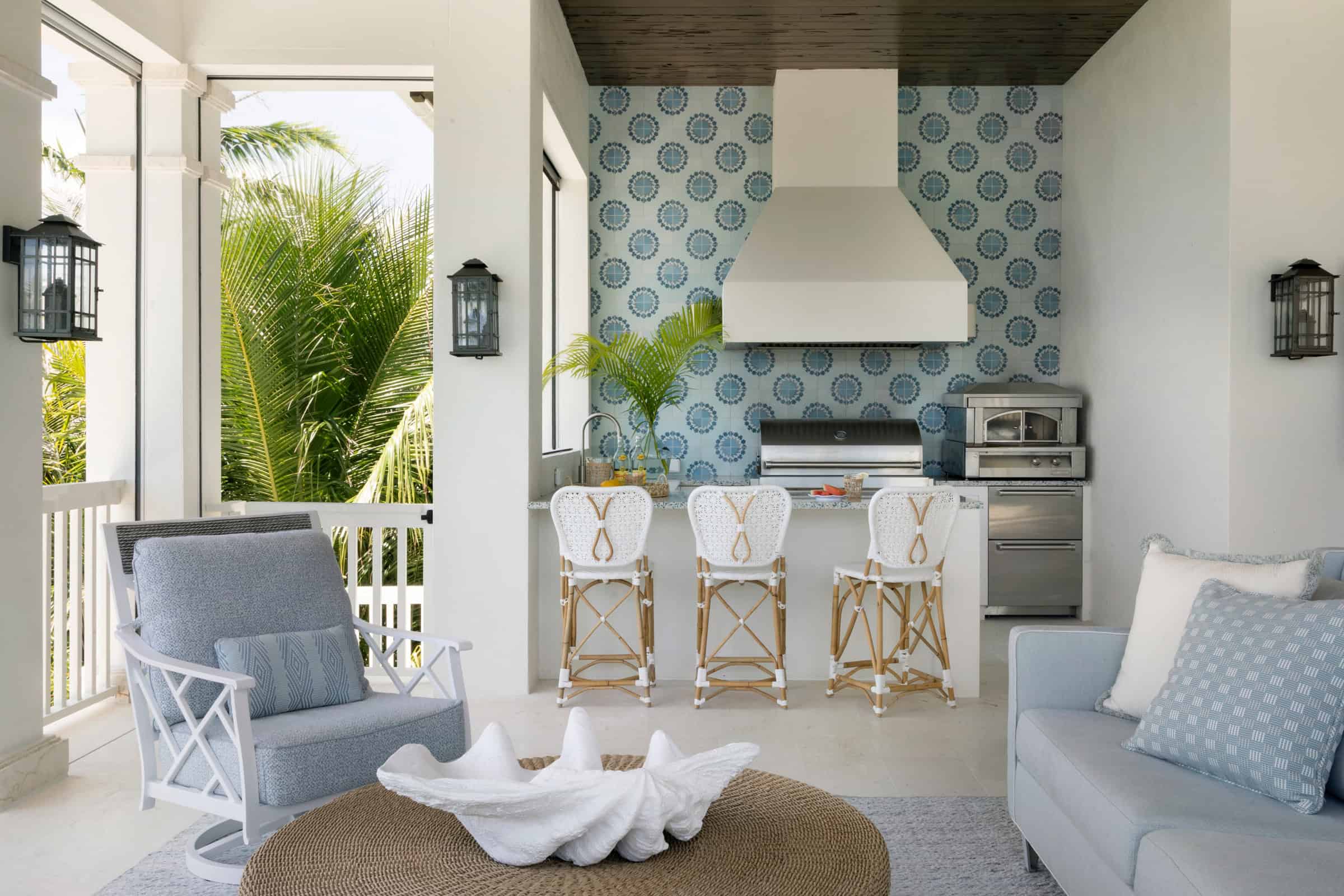
The outdoor area — with its tiled kitchen and lounge-style seating — is an idyllic spot to entertain, relax with family and watch the dolphins. At night, the family convenes as the pink-and-orange sunset drifts over the skyline.
In the guesthouse, the designers opted for more daring patterns. For instance, in one guest bedroom, a pineapple design adorns the walls, and its adjacent bathroom features a blowfish wallpaper. While the owners initially imagined which family members would stay in which house and room, they’ve come to adore every space. “The guesthouse is so adorable,” says the homeowner. “It’s not a replica of the main house and truly has its own personality.”
For the designers, the project carried its own sentiment. “We have a lot of cabin projects, so it was such a treat to work on a home in a different destination,” Dixon says.
While the family hasn’t spent nearly as much island time in their Captiva abode, they look forward to collecting new memories as they embark on this next chapter with the blue waters and white sands as their backdrop.
Project Partners
Interior designer: Fiddlehead Design Group
Builder: BCB Homes
Architect: Stofft Cooney
Cabinetry designer: Ruffino Cabinetry